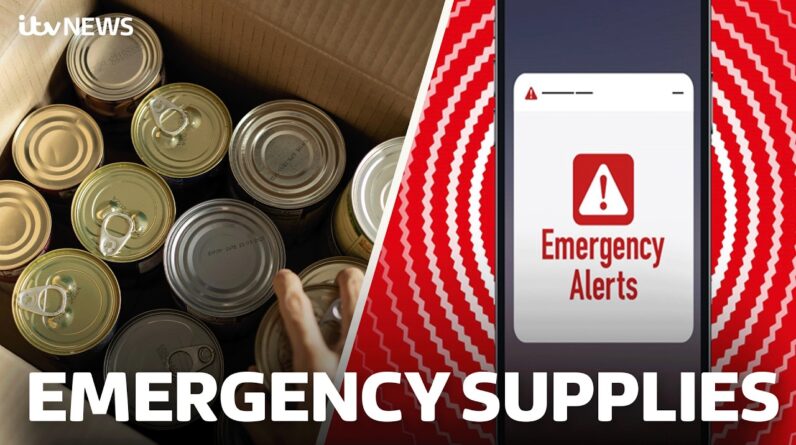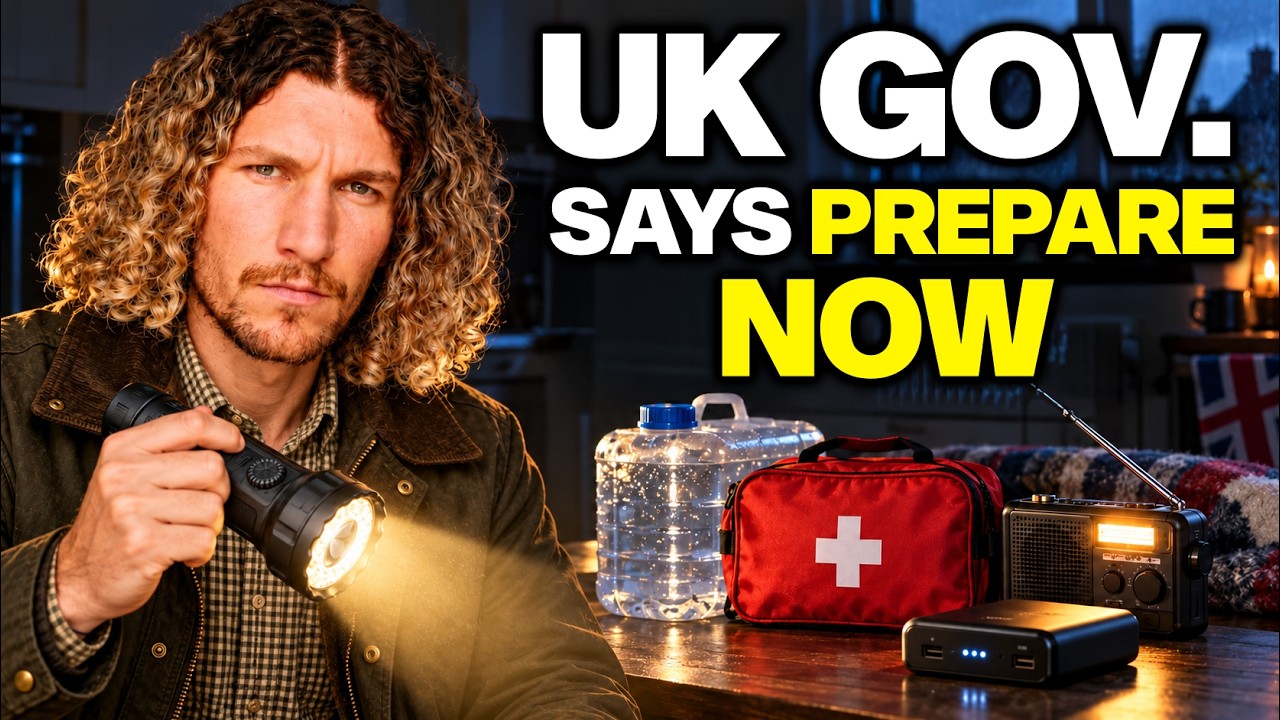
When a national government shifts from vague reassurance to a concrete list of things every household should own, it is time to pay attention. In this video, Charlie Survival breaks down the UK government’s official recommendation that every citizen stockpile ten specific emergency items, from bottled water and non-perishable food to torches, batteries, and first aid supplies. The guidance comes amid growing concerns about power grid vulnerabilities, geopolitical tensions, and potential blackout scenarios that could leave families without utilities for extended periods.
What makes this video valuable is not just the list itself but the practical context Charlie provides for each item. He explains why the government chose these specific supplies, how much of each you actually need for a realistic 72-hour disruption, and where most people get it wrong when building their emergency kit. Whether you live in the UK or anywhere else, the principles translate directly to any disaster preparedness plan. You will walk away knowing exactly what to buy, how to store it, and how to avoid the common mistakes that leave preppers with expensive gear they cannot actually use when the lights go out.
Key Survival Takeaways
- Water is priority one: The government recommends storing at least three litres of water per person per day. Charlie emphasizes that most people drastically underestimate how much water they need for drinking, cooking, and sanitation. Store it in food-grade containers and rotate your supply every six months to keep it fresh and safe.
- Non-perishable food that does not need cooking: Canned goods, dried fruit, nuts, and energy bars top the list. The key insight is choosing foods that require no heating, because in a blackout your stove and microwave are useless. Keep a manual can opener in the same location as your food stash.
- Light sources beyond your phone: The government specifically calls for torches and spare batteries. Charlie recommends headlamps for hands-free operation and warns against relying solely on your phone flashlight, which drains the battery you may need for emergency communications.
- First aid kit tailored to your family: A basic commercial kit is a starting point, but you should customize it with prescription medications, spare glasses, and specific supplies for any family members with special needs. Check expiration dates annually.
- Battery or hand-crank radio: When cell towers and internet go down during a power outage, a portable radio becomes your only link to emergency broadcasts. Look for models that receive FM and AM bands and double as a phone charger.
- Power backup strategy: A power bank capable of charging your phone at least three times is the minimum. Charlie also discusses the value of small solar chargers for extended outages that last beyond a single day.
- Important documents in a waterproof bag: Keep copies of identification, insurance policies, and medical records in a sealed waterproof pouch. In an evacuation you may have minutes to grab and go, and having these ready saves critical time.
Gear and Equipment
Building your emergency kit does not have to happen overnight, but the right gear makes all the difference when the power goes out. Start with a reliable LED headlamp for hands-free lighting so you can work in the dark without holding a torch. For clean drinking water, a portable water filtration system lets you purify tap or rainwater if your supply runs low. A hand-crank emergency radio keeps you connected to broadcasts when cell service fails. Stock up on non-perishable emergency food supplies that require no cooking, and protect your essentials with a waterproof document bag for your important papers.
As an Amazon Associate, we earn from qualifying purchases.
Conclusion
The UK government’s preparedness list is a wake-up call that applies far beyond British borders. Disruptions to power, water, and supply chains can happen anywhere, and the families who fare best are the ones who prepared before the crisis arrived. Start with the basics this week, add one or two items at a time, and you will have a solid 72-hour kit before you know it. Preparedness is not about fear; it is about confidence.