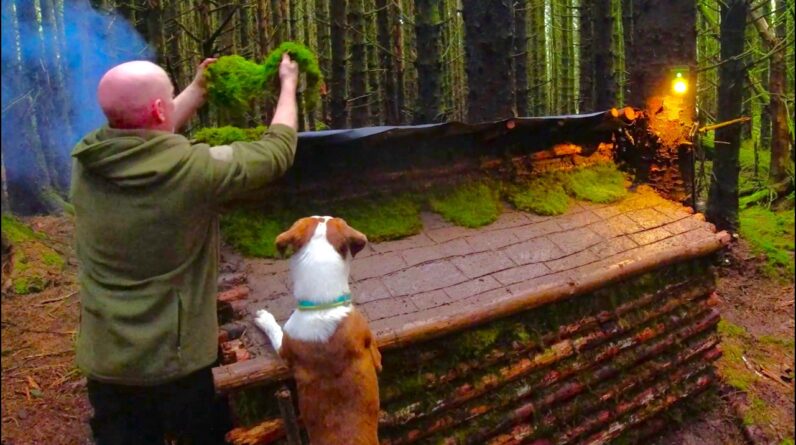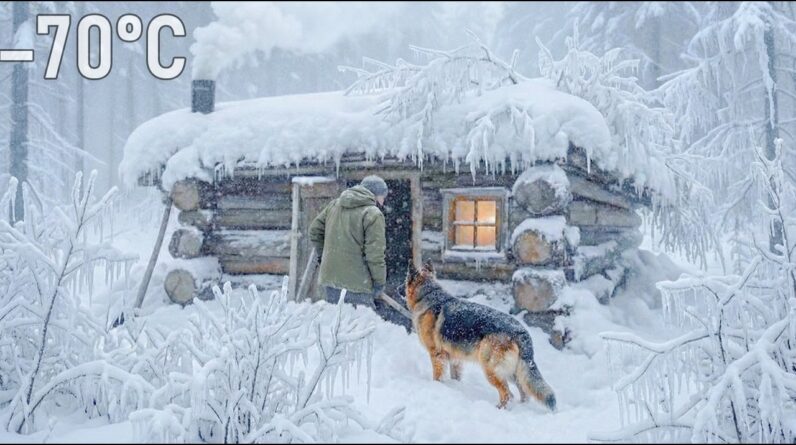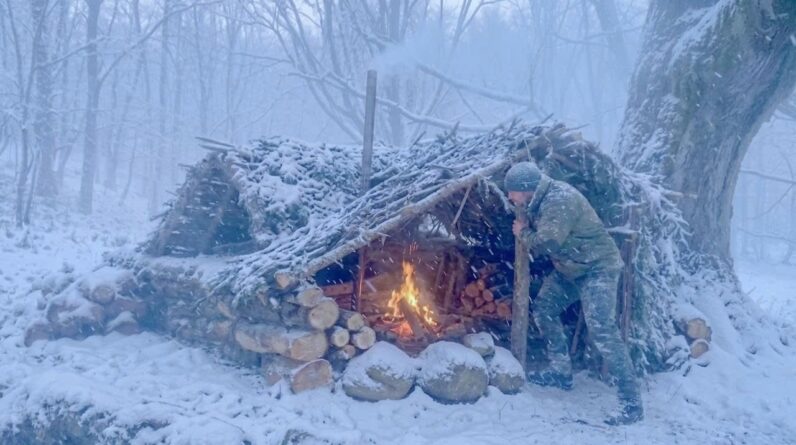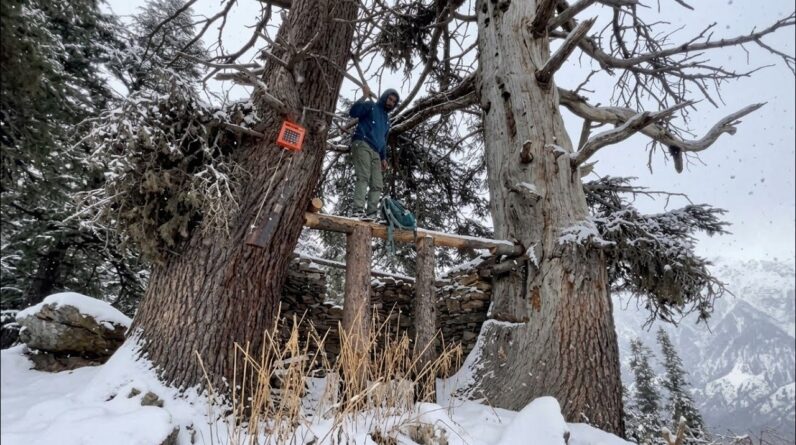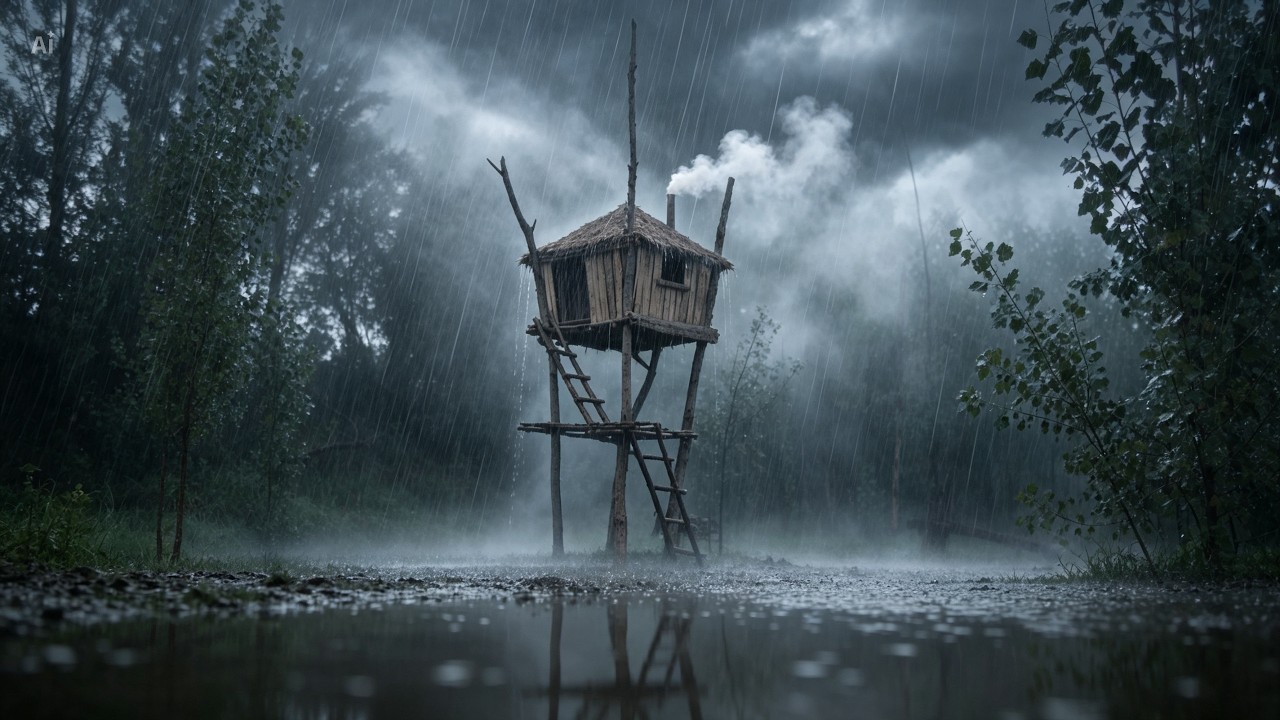
When you are deep in the forest and the weather turns violent, knowing how to build a shelter that can hold up against heavy rain and freezing temperatures is the difference between safety and serious trouble. In this video from Old School Bushcraft, a craftsman builds a treehouse shelter from the ground up using natural materials and traditional techniques. The build covers every critical stage: constructing a raised platform, building walls and a pitched roof from forest timber, collecting and preparing firewood, and installing a small wood-burning stove that transforms a raw shelter into a warm, livable space.
What makes this build particularly valuable is the focus on weatherproofing. Heavy rain is one of the most dangerous survival conditions, not because of the water itself but because of the rapid heat loss that follows when your shelter fails. This treehouse design addresses that threat at every level. The elevated floor keeps you off wet ground. The pitched roof sheds rain instead of absorbing it. The wood stove maintains a livable temperature even when the forest around you is soaked and cold. Whether you are a weekend bushcraft practitioner or planning a longer wilderness stay, the skills demonstrated here translate directly to real survival scenarios where exposure is your biggest threat.
Before diving into the specific techniques, it is worth understanding why a treehouse design outperforms ground-level shelters in prolonged wet weather. When rain saturates the forest floor, every surface within a foot of the ground becomes a conductor of cold and moisture. Even a well-insulated ground shelter loses heat continuously through capillary action, as water wicks upward through soil, leaves, and damp wood. By elevating your sleeping platform even three or four feet, you break that thermal bridge entirely. Add a roof that sheds water and a heat source, and you have a micro-environment that stays dry and warm regardless of what the weather does outside.
Key Survival Takeaways
- Elevation protects against ground moisture and flooding. Building your shelter on a raised platform keeps you dry when heavy rain saturates the soil. Ground-level shelters absorb moisture through contact, drawing heat from your body and wicking water into your sleeping area. A treehouse design eliminates both problems by lifting your entire living space above the wettest layer of the forest floor.
- A pitched roof is non-negotiable for rain protection. The build uses overlapping materials from bottom to top, creating a shingle effect that channels water down and away from the interior. A flat or shallow roof will pool water, eventually leak, and potentially collapse under accumulated weight. Steep pitch is the single most important design choice for any shelter meant to weather serious storms.
- A small wood stove transforms shelter livability. Even a simple improvised stove provides dry heat, a cooking surface, and a way to dry wet firewood and clothing. The stove in this build demonstrates how a compact firebox with proper venting can maintain comfortable temperatures in a small shelter through the coldest and wettest nights in the forest.
- Firewood management is as important as shelter design. Collecting and processing enough fuel before dark ensures you can maintain heat through the night. Wet conditions make dry fuel scarce, so split wet logs to expose dry inner wood and keep your fuel stack under cover near the stove for drying. Running out of fuel at 3 AM is a survival failure that no amount of insulation can fix.
- Natural materials offer excellent insulation when layered properly. Gaps between logs and branches should be stuffed with moss, leaves, mud, or clay to block wind and retain warmth. This build shows how forest debris, when applied with care, can match the insulation performance of synthetic materials while being completely natural and locally sourced from your immediate surroundings.
- Tool selection drives build efficiency. A quality axe lets you fell and shape structural timber quickly. A saw makes clean cross-cuts for walls and roofing material. A knife handles finer joinery and cordage work. The right combination means finishing your shelter before dark instead of working in the dark, which is when mistakes and injuries happen.
- Ventilation saves lives in enclosed shelters. Even a small wood stove produces carbon monoxide, an odorless and lethal gas in confined spaces. This build includes a proper smoke vent and chimney system. Always ensure fresh air can enter and combustion gases can escape, even in cold weather when the temptation is to seal every gap for warmth.
Gear and Equipment
For a build like this, your tools are everything. A reliable bushcraft axe is your primary tool for felling and shaping structural timber. A compact folding camp saw makes quick work of cross-cutting branches for walls and roofing. You will also want a solid fixed blade bushcraft knife for notching, carving, and cordage work. For the wood stove component, a lightweight portable wood stove designed for tent use can serve as a model for building your own from scavenged metal. And for extra weather protection, a heavy-duty survival tarp adds a critical waterproof layer over any natural shelter when the rain will not stop.
As an Amazon Associate, we earn from qualifying purchases.
Conclusion
Building a weatherproof shelter from natural materials is one of the most rewarding bushcraft skills you can develop. This treehouse build demonstrates that with patience, the right tools, and a solid understanding of how water and heat interact with your structure, you can create a comfortable refuge even in harsh conditions. Practice these techniques in fair weather first, so they become second nature when you truly need them. The forest provides everything you need, but only if you know how to use it.