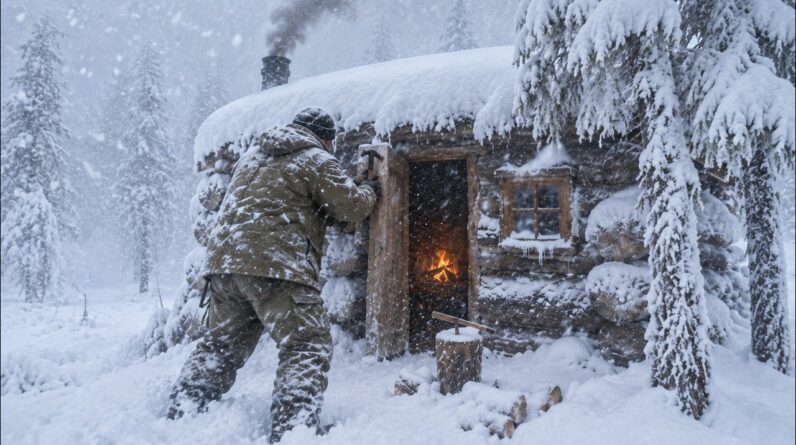
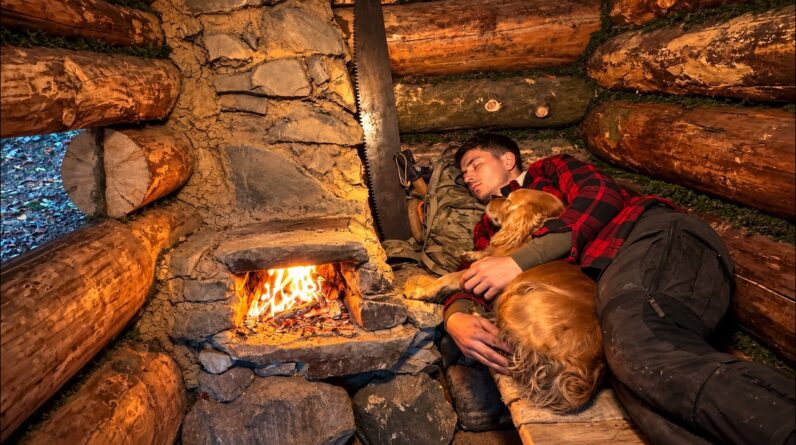
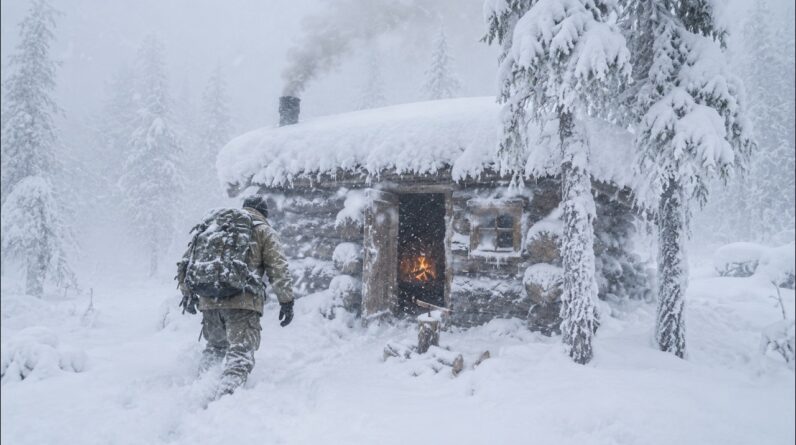
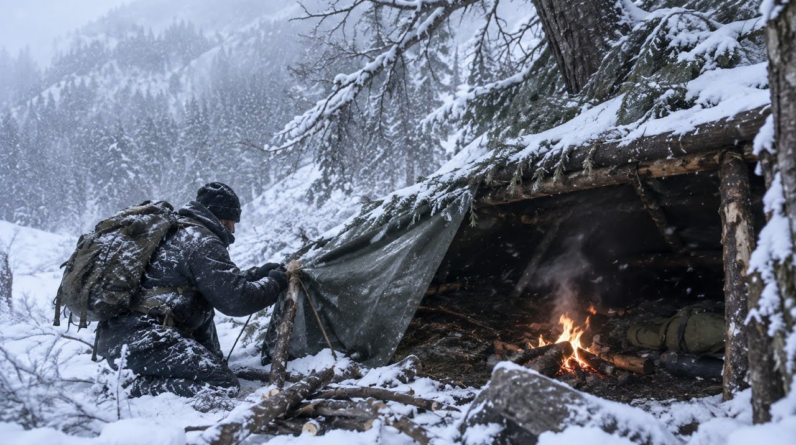
Build a Safer Winter Snow Shelter
Snow can become a serious hazard when it soaks clothing and drains energy, but it can also provide useful insulation when shaped and managed correctly. Site selection, floor insulation, moisture control, ventilation, and fuel planning matter more than making a shelter look impressive.
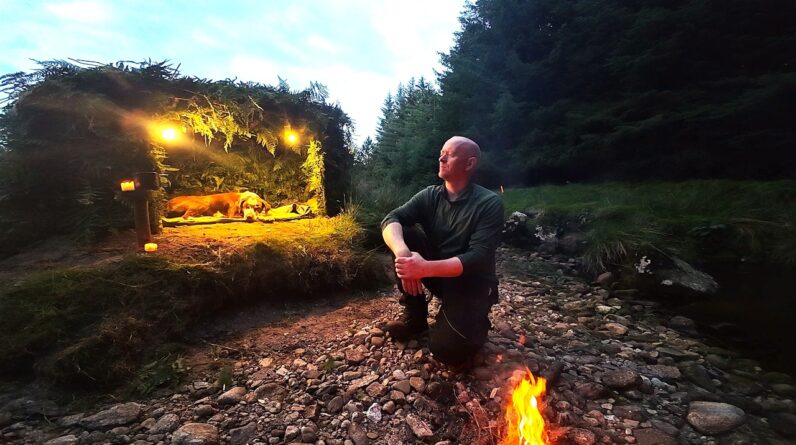
This Armin Bushcraft shelter is best treated as a field case study, not a guaranteed recipe. Conditions change quickly, so build within your time, energy, tools, and materials while preserving an exit plan and monitoring for cold-related problems.
Key Survival Takeaways
- Avoid avalanche paths, drainage channels, dead branches, and exposed ridgelines.
- Keep the shelter compact and prioritize a thick, insulated sleeping platform.
- Keep clothing and bedding dry; wet insulation can erase the shelter’s benefits.
- Gather and stage fuel before dark, away from sparks and flames.
- Provide deliberate ventilation whenever using a stove, candle, or fire.
- Build for the actual night ahead: warmth, wind protection, and a safe heat plan matter most.
Recommended Winter Shelter Gear
A winter-rated sleeping bag and closed-cell sleeping pad reduce heat loss. Add a folding saw, winter tarp, and carbon-monoxide detector when combustion is part of the plan.
As an Amazon Associate, we earn from qualifying purchases.
Winter Safety Comes First
Check weather and avalanche information, tell someone your route, and carry communication and signaling gear. Never sleep with an unvented flame in an enclosed shelter. Confusion, unusual sleepiness, or clumsiness can signal a life-threatening cold or carbon-monoxide emergency.
Conclusion
A winter shelter is only successful if it keeps you warmer without introducing new hazards. Choose safe terrain, insulate from the ground, stay dry, ventilate combustion, and leave early when conditions exceed your capability.