



Building an off-grid wilderness homestead requires mastering primitive shelter design, water routing, and wood crafting skills. A well-designed jungle craft house provides security, tool storage, and shelter from environmental extremes, while an integrated earth swimming pool serves as a vital freshwater reservoir and cooling station during intense tropical heat. Designing such a facility demands knowledge of structural weight distribution, thatch weaving, and natural hydraulic engineering.
This detailed survival guide breaks down the architectural steps required to construct a durable jungle craft house and adjoining hand-excavated swimming pool. Using basic hand tools, natural clay sealing, and timber joinery, off-grid builders can transform unrefined forest materials into a comfortable, self-sustaining bushcraft sanctuary capable of supporting long-term wilderness occupancy.
Key Survival Takeaways
- Site Gradient Elevation Utilization: Positioning primitive shelters along subtle ground slopes facilitates efficient natural rainwater runoff away from structural foundations and prevents flash flood pooling around living spaces during intense tropical cloudbursts.
- Puddled Clay Basin Sealing: Tamping wet clay into excavated pool bedrock creates a tight hydraulic seal that prevents water loss without artificial membranes.
- Timber Base Heat Treatment: Charring the buried ends of wooden anchor posts over open flames prevents microbial rot and subterranean termite damage.
- Woven Bamboo Wall Construction: Weaving split bamboo strips between upright studs provides lightweight, breathable structural walls that resist extreme wind pressure.
- Ridge Vent Architecture: Creating elevated roof ridge gaps allows interior campfire smoke and ambient heat to escape while preventing rain intrusion.
- Multi-Tier Workbenches: Crafting integrated bamboo workbenches organizes survival tools and keeps gear dry and elevated off damp earth floors.
Designing Earth-Lined Swimming Pools with Natural Drainage
Excavating a natural swimming pool in a remote jungle environment demands a solid understanding of hydrology, soil mechanics, and natural water retention principles. The excavation area must be dug out manually using heavy digging sticks and iron shovels to reach dense clay subsoil layers that prevent water loss through subterranean seepage. Digging near natural hillside drainage lines or small stream diversions allows fresh, clean water to gravity-feed into the pool continuously, while an engineered overflow channel safely routes excess water away from your living quarters to prevent catastrophic flooding during heavy tropical rainstorms.
Sealing the pool basin effectively relies on the ancient technique known as puddling clay—a method where raw clay-rich soil is saturated with water and thoroughly kneaded into a smooth, pliable paste. Puddling eliminates trapped air pockets and aligns microscopic clay platelets. Pounding multiple overlapping six-inch layers of puddled clay across the pool floor and sloped sidewalls forms a remarkably durable, watertight hydraulic basin. Lining the top embankment edges with flat river stones stabilizes the clay banks against wave erosion when swimmers enter or exit the pool.
Timber Crafting and Roof Thatching for Long-Term Camps
Constructing the main craft house requires selecting dense, decay-resistant hardwood timber for foundational corner posts and primary ridge beams. Charring the bottom two to three feet of structural posts over an open camp fire creates a carbonized protective shield that effectively repels subterranean termites, carpenter ants, and soil-borne fungal rot. Posts are set deep into postholes, surrounded with packed gravel for natural drainage, and backfilled tightly with heavy clay subsoil to ensure maximum structural rigidity during storm winds.
Roof framing consists of heavy horizontal rafters lashed securely to the main ridge pole using natural vine cords or synthetic mil-spec paracord. Thatching is applied systematically starting from the bottom eaves and moving progressively upward toward the roof peak, layering palm fronds or grass bundles in dense overlapping rows. This layered shingle effect directs torrential rainwater harmlessly down the steep slope of the roof, completely preventing moisture from seeping into the interior craft house during severe tropical downpours.
Integrating Utility Furniture and Comfort in Wilderness Living
A functional craft house requires integrated interior furniture to support daily wilderness operations. Building raised bamboo workbenches provides flat work surfaces for tool maintenance, food prep, and craft projects. Elevated sleeping bunks keep bedding dry and isolated from crawling insects, snakes, and cold floor drafts.
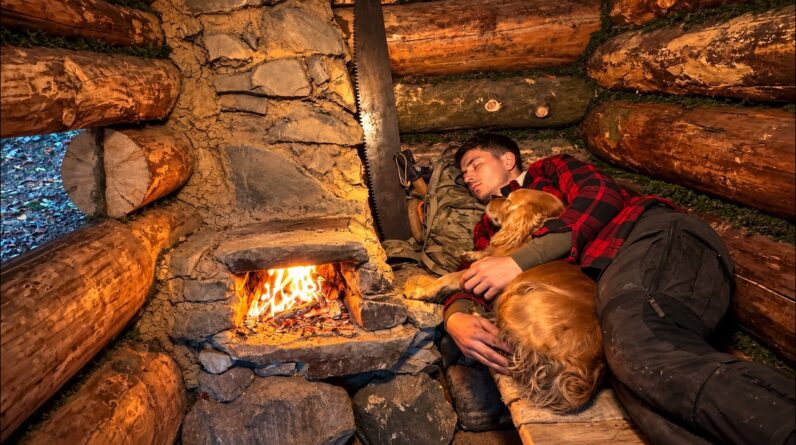
Incorporating built-in tool racks carved from notched branches organizes axes, machetes, and cordage, extending gear life by preventing rust and damage. Creating a dedicated interior stone-lined fire hearth with an overhead chimney vent allows cooking and heating inside during stormy weather, transforming a primitive shelter into a comfortable off-grid homestead.
Gear & Equipment
Building off-grid shelters and excavating earth pools goes much smoother when supported by heavy-duty earthmoving and woodworking tools:
- Heavy Duty Digging Shovel: Essential manual tool for excavating earth pools, clearing drainage channels, and digging deep posthole foundations.
- Bushcraft Woodworking Hand Adze: Precision timber shaping tool for flattening structural logs, shaping bamboo furniture, and carving wooden troughs.
- Heavy Duty Tarps for Camping: Provides reliable rain protection over open construction sites and raw building materials during unexpected storms.
- Survival Hatchet Wood Splitting: Versatile compact hatchet for felling small trees, trimming branches, and driving wooden foundation stakes.
As an Amazon Associate, we earn from qualifying purchases.
Conclusion
Constructing a jungle craft house and earth swimming pool demonstrates how primitive construction techniques can create a comfortable, highly functional off-grid lifestyle. Through proper timber treatment, clay pool sealing, and thatched roof design, wilderness craftsmen can build resilient sanctuaries anywhere in the wild.


aku danger suara mesin
Ah ngerjain nya banyK orang.kit di bodohi sama conten kreator nya🤦🤦🤦
🎉🎉🎉
i think (hope) we all know its fake, but we just like watching it
ngôi nhà quá đẹp ngoài sức tưởng tượng ❤️
And all it took was two guys, and an entire crew, and an excavator, and modern building materials…
Fake
❤❤❤ روعة جميل هذا العمل
To be honest. Even if it is faked, it just god damn good. My respect
shoutout to the cameraman
It fake
Don’t use STAFF. Don’t use Arificial TOOLS!!!
DO NOT FAKE US
All video Are FAKER
Fake
Lovely to ❤❤🎉🎉🇧🇩🇧🇩🌙🌙🎤🎙🔊🎧💋💋
In world war 3 we must teak house like this
Today is my birthday but no one wish me 😔 🎂 ❤
speedrun faking a video
So if they’re using mud to plaster it wouldn’t that mud crack when dried up?
This is so fake bcos hand can’t smooth d walls like dat,we’ve been deceived 😂
These houses getting outta hand
Niesamowite!!!🥰😍👍
Cudo 😍🥰😍👍
Bom dia Deus abençoe vcs parabéns
I first comment from India 😊
im gay but theres too many comments so no one will ever know