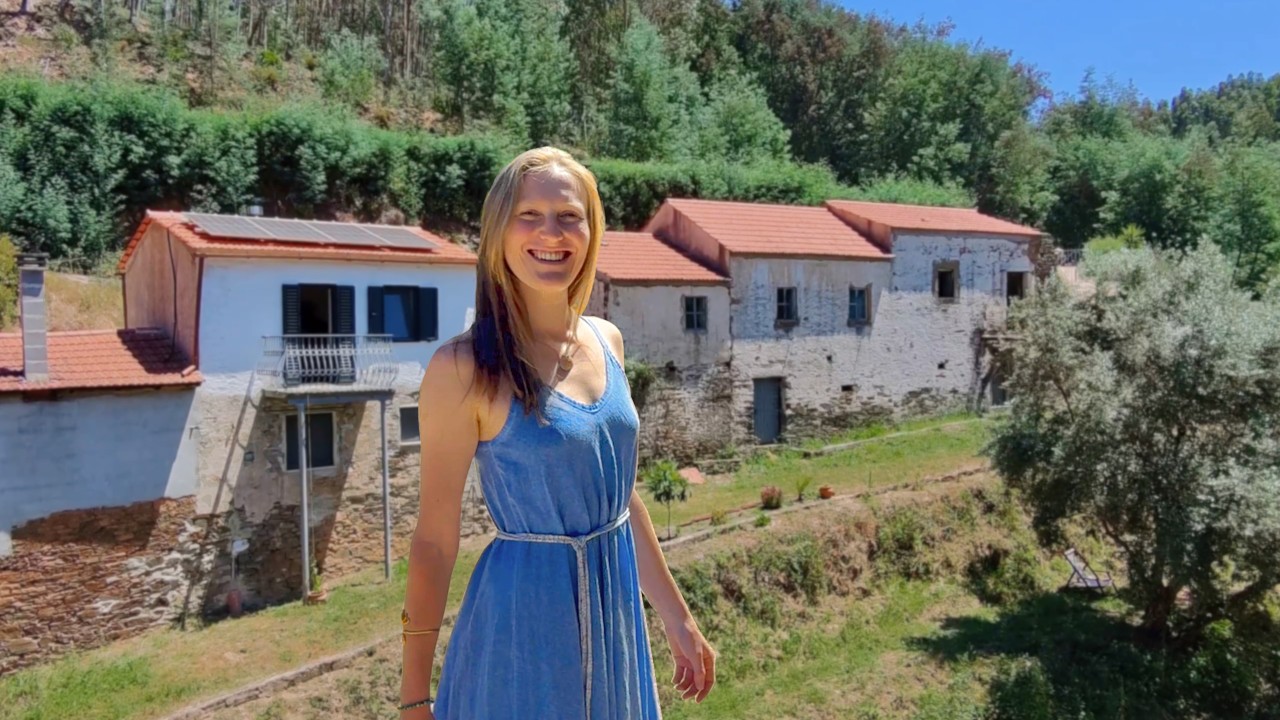
Off-grid living is not built in a single weekend. It is a collection of practical skills: maintaining a durable shelter, repairing problems before they become emergencies, producing food, and working with the land instead of depending on a constant supply chain. In this video, Maya Feliz documents a summer project that combines rebuilding a corner of an old stone house with mulching a garden.
That combination makes this more than a renovation tour. It is a useful look at the everyday work behind self-reliance. You will see how structural repairs and garden care fit into a broader preparedness plan, why weather affects the pace of outdoor work, and how steady improvements can make an off-grid property more resilient. The lessons apply whether you live on a rural homestead, maintain a cabin, or simply want to become more capable with basic tools and natural resources.
Key Survival Takeaways
- Reliable shelter is the first layer of preparedness. A damaged corner, leak, or weak wall can turn uncomfortable weather into a serious problem. Regular inspection and timely repairs are often more valuable than emergency fixes after a storm.
- Traditional buildings can offer useful resilience. Stone construction has thermal mass and can help moderate indoor temperatures, but it still requires careful maintenance, sound drainage, and attention to structural movement.
- Work with the weather, not against it. Heat changes how long you can safely perform heavy outdoor labor. Plan demanding tasks for cooler periods, take water and shade breaks, and avoid treating exhaustion as a badge of honor.
- Mulch protects the garden’s most important resource: soil. An organic mulch layer can reduce evaporation, moderate soil temperature, and limit weed competition. Use clean, appropriate material and keep it from piling directly against plant stems.
- Food production is a preparedness skill. A productive garden will not replace stored food overnight, but it can add fresh calories, useful herbs, and practical knowledge about growing conditions over time.
- Maintenance is a form of risk reduction. Rebuilding a small section before it fails is safer and usually cheaper than dealing with a collapse. Keep an inventory of repair materials and learn the warning signs of moisture damage.
- Self-reliance is built through repeatable routines. Property care, gardening, tool maintenance, and seasonal planning compound. Small tasks completed consistently create more resilience than one dramatic project attempted without preparation.
Gear & Equipment
The right equipment makes off-grid repair and garden work safer without replacing good judgment. A sturdy pair of reinforced leather work gloves helps protect hands during stone handling, brush clearing, and general maintenance. For digging and moving soil, a durable round-point shovel is a dependable foundation tool. A heavy-duty garden wheelbarrow reduces strain when transporting mulch, stones, or firewood. Finally, a folding pruning handsaw is useful for clearing small limbs and preparing clean garden materials. Choose tools that fit your strength and local conditions, and inspect handles, blades, and fasteners regularly.
As an Amazon Associate, we earn from qualifying purchases.
Conclusion
Maya’s project shows that off-grid preparedness is grounded in ordinary work: protect the shelter, care for the soil, respect the weather, and improve one weak point at a time. These skills are practical because they are repeatable. Watch the full video for the renovation process, then use the ideas to build a maintenance and food-growing routine suited to your own property.