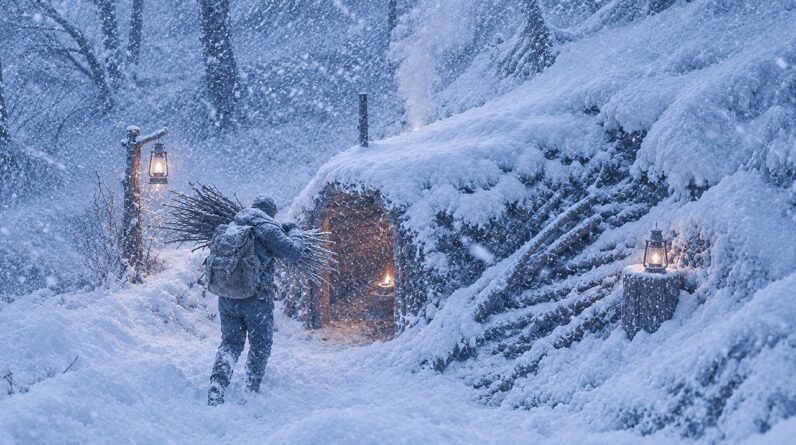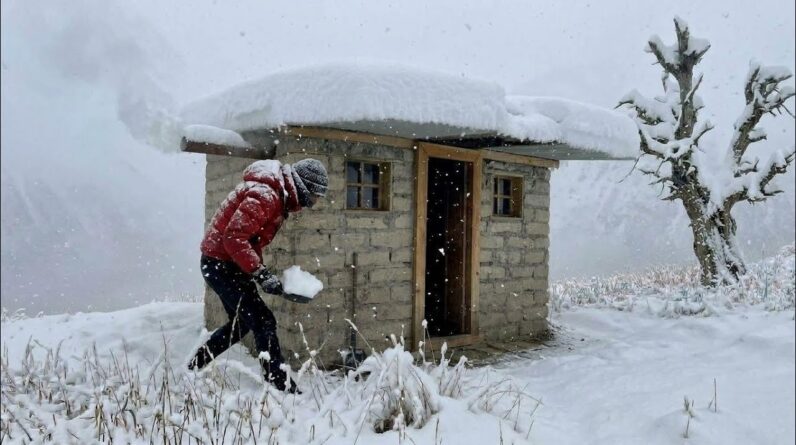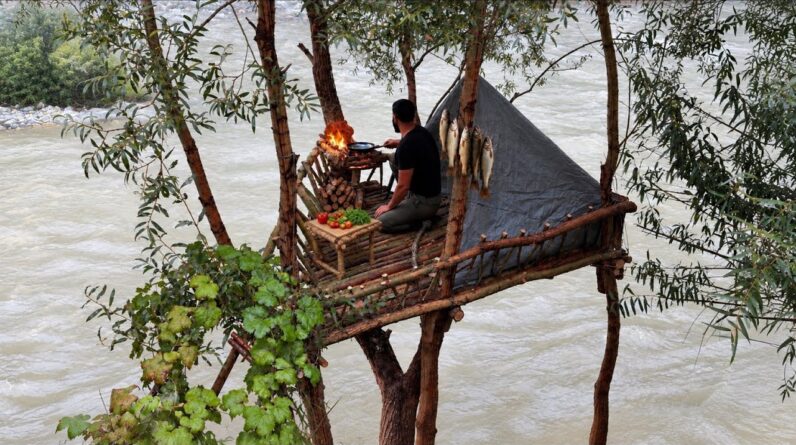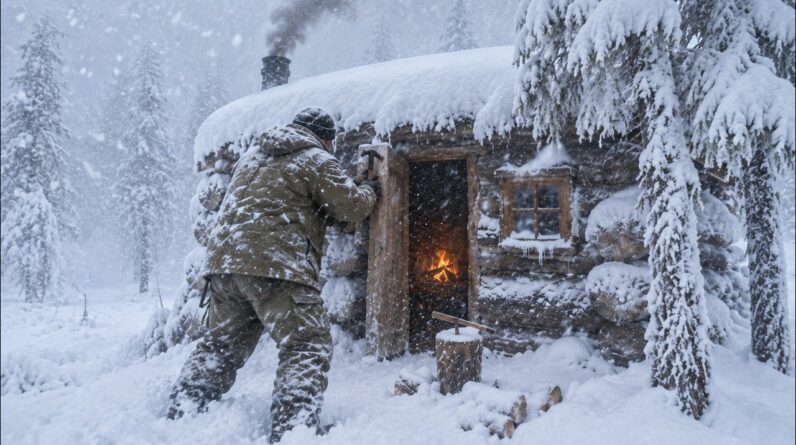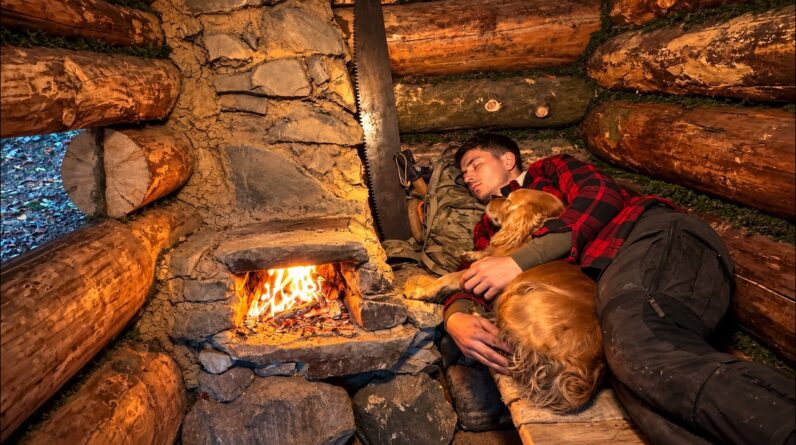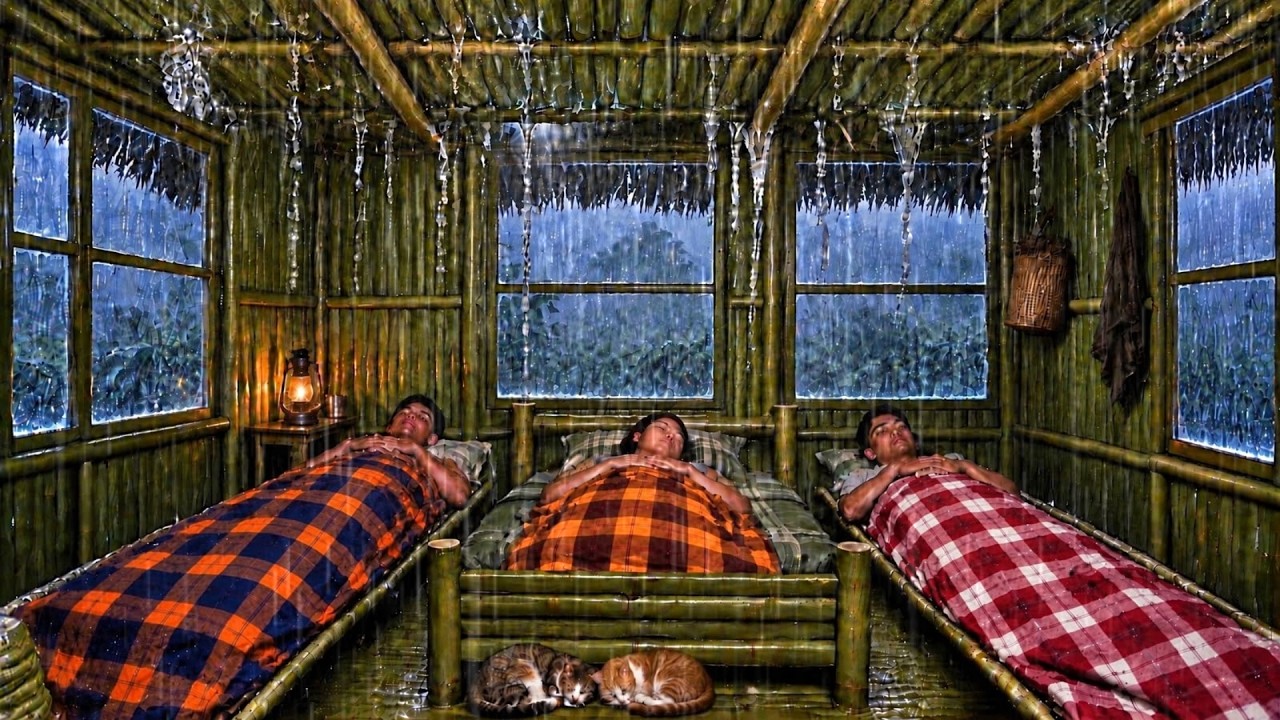
When the sky opens up miles from the nearest road, the survival clock starts ticking. Soaked clothing loses its insulating value almost immediately, and hypothermia can begin in temperatures well above freezing. In this bushcraft build, an experienced camper takes on exactly that challenge: constructing a weatherproof shelter in the middle of a heavy forest downpour, relying on hand tools, bamboo, natural materials, and hard-earned skill to stay dry while the rain keeps falling.
The complete build is a masterclass in shelter craft under pressure. You will see how to choose a workable site when conditions are already against you, how to assemble a sturdy frame from bamboo and saplings, and how to layer the roof so the interior stays dry through hours of steady rainfall. Whether you are a weekend camper or a serious prepper, these are the rain-day lessons worth adding to your own playbook.
Why Heavy Rain Is One of the Deadliest Survival Threats
Most people fear bears, snakes, or getting lost, but wet cold kills far more outdoorsmen than wildlife ever will. Rain accelerates heat loss dramatically: water pulls heat away from your body roughly 25 times faster than air, and wind compounds the effect. Once your base layers soak through, your core temperature starts sliding toward the danger zone even in 50-degree weather.
That is what makes shelter building in active rainfall such a valuable skill to watch. The builder in this video is not practicing in ideal conditions with dry materials. Every pole is slick, every knot is tied with wet hands, and the site itself has to manage runoff. This is survival building as it actually happens, not as it looks in a textbook.
Building a Forest Shelter in the Rain: What This Build Teaches
Site Selection When Everything Is Wet
The build starts with finding ground that will not become a stream. The builder works near a water source for convenience but stays clear of low-lying channels where runoff collects. A gentle rise, natural windbreaks, and overhead canopy thin enough to work under but full enough to blunt the worst of the rain all factor into the final spot. That balance of water access versus drainage is the first decision every shelter builder must get right.
Framing With Bamboo and Saplings
Bamboo proves its worth as a survival material: it is straight, strong, light, and fast to work with. The frame uses long poles lashed into a ridgeline with a ribbed structure, creating a shape that sheds water instead of catching it. Lashings are kept tight and simple, because in pouring rain, complexity is the enemy. A steep roof angle is maintained throughout, since flatter profiles let water pool and eventually leak through.
Layering for Dryness
The roof goes on in overlapping layers, worked from the bottom edge upward so each course drains over the one below it. Broad leaves, bark, and flexible strips are packed thick, and weak points are found by watching for drips inside. Bedding is raised off the forest floor, which keeps the sleeper away from ground moisture, cold, and the insects that surge during a storm.
Keeping Fire and Morale Alive
A fire is kept small and protected under the shelter’s overhang, with dry tinder gathered and stored early in the build, before everything on the forest floor turns to sponge. That routine of collecting fuel and tinder before you need it is repeatedly emphasized by experienced outdoorsmen, and it pays off tenfold in the dark of a wet night. Finishing a shelter before nightfall, even an imperfect one, is a psychological win that keeps panic at bay.
Key Survival Takeaways
- Shelter comes before everything else in rain. Fire and water collection can wait; stopping heat loss is the priority once you are wet. Hypothermia can begin at surprisingly mild temperatures.
- Choose high ground with drainage in mind. Even a gentle slope funnels runoff into low areas. Never camp in a depression or a dry streambed, no matter how convenient it looks.
- Bamboo and straight saplings make fast, strong frames. Lash a steep ridgeline so water sheds quickly instead of pooling on flatter pitches.
- Layer roofing from the bottom up. Overlapping courses carry water over the layer below, the same principle that keeps shingles working on a house roof.
- Raise your bedding off the ground. An elevated platform keeps you away from ground moisture, cold, and crawling insects that come out in the rain.
- Gather tinder and firewood before dark, before it soaks. Dry material cached early under cover is the difference between a warm night and a miserable one.
- Done beats perfect. A rough shelter finished before nightfall outperforms a flawless one abandoned halfway through at midnight.
Gear & Equipment
Natural materials work, but a few modern items turn a desperate night into a manageable one. A heavy-duty waterproof tarp with grommets can be rigged as an instant roof or rain fly in minutes. Keep a supply of 550 paracord for fast, secure lashings on any frame. For fire in wet conditions, a ferrocerium rod fire starter and stormproof waterproof matches both earn their spot in a pack. Finally, pack an emergency bivvy survival blanket as a waterproof, heat-reflecting backup bed in case the shelter fails.
As an Amazon Associate, we earn from qualifying purchases.
Final Thoughts
Building shelter in heavy rain is where bushcraft theory meets reality. This build shows the real pace of survival work in bad weather: slow, wet, and unforgiving, but completely winnable with sound decisions and steady hands. Watch the full video, pay attention to the site selection and layering choices, then ask yourself what you would do differently. The best time to find out is before the rain starts.