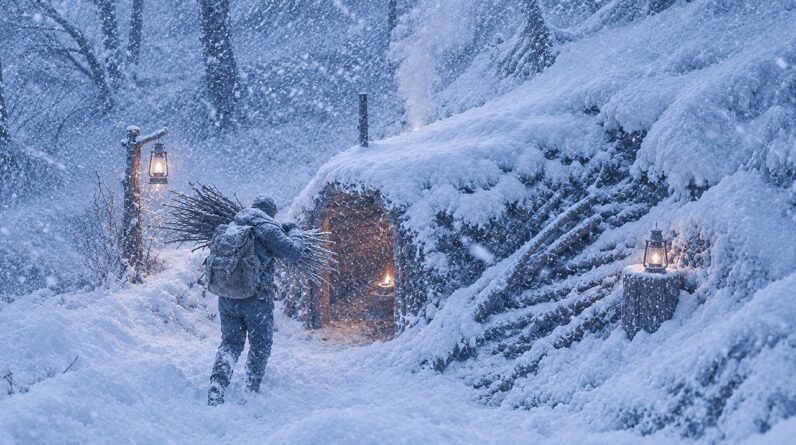
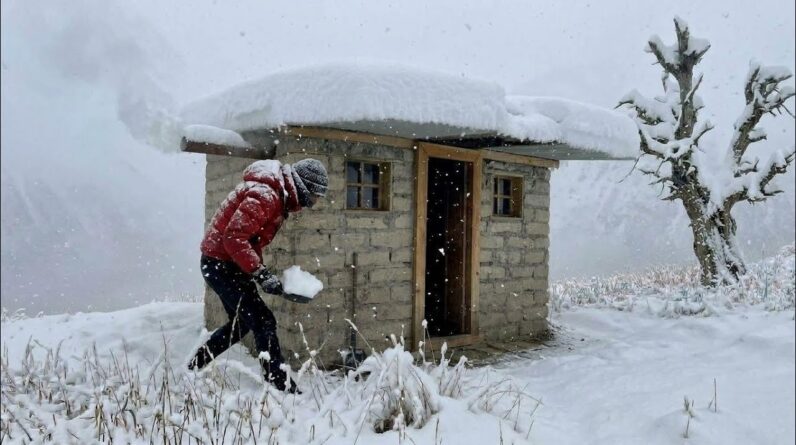
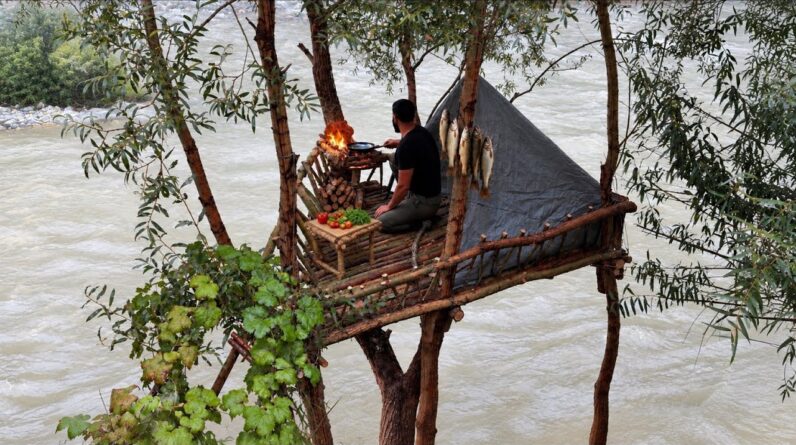
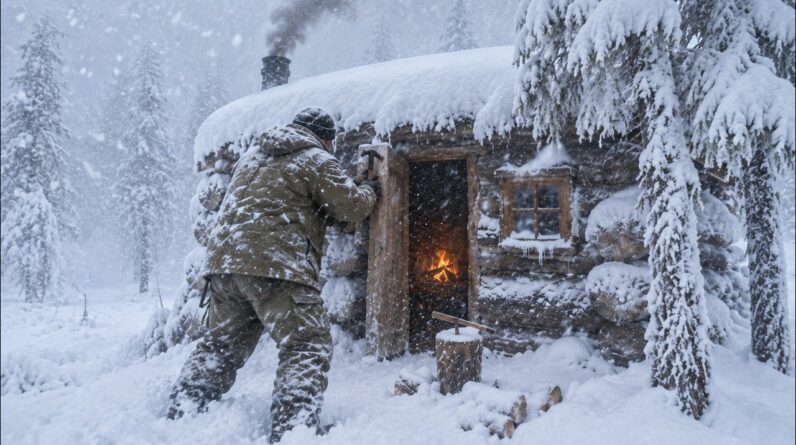
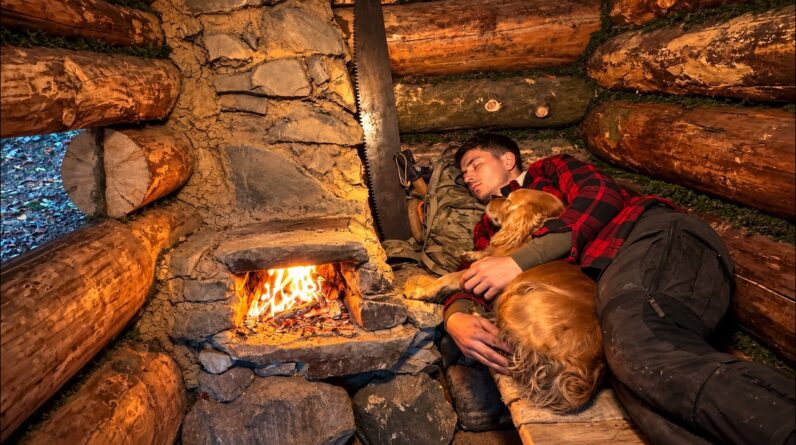
In deep winter, shelter is a race against heat loss. Wind, frozen ground, wet clothing, falling snow, and limited daylight can turn a night outdoors into a serious emergency long before a person feels fully exhausted. A shelter must therefore do more than block the wind—it must retain heat, shed moisture, remain stable, and allow a fast exit.
This build from Wild hut demonstrates practical winter bushcraft concepts, including site selection, compact layout, framing, insulation, and ventilation. Treat it as a skills study for controlled practice and planned winter trips, not as a replacement for weather checks, backup equipment, avalanche awareness, or formal cold-weather training.
Key Winter Shelter Takeaways
- Select the site before gathering materials: Avoid avalanche paths, drainage channels, river edges, dead trees, unstable snow loads, and exposed areas that funnel wind.
- Keep the living space compact: A smaller protected volume is easier to warm while still allowing room to lie down, organize gear, and exit quickly.
- Use snow and terrain carefully: Excavation can reduce wind exposure, but unstable overhangs, blocked entrances, and sealed spaces create serious hazards.
- Build a dependable frame: Use sound poles or logs, distribute roof weight, and inspect supports before adding snow or other covering.
- Insulate from the ground: Raise bedding above frozen earth with a thick insulating layer; a roof alone will not prevent conductive heat loss.
- Manage moisture and carbon monoxide: Maintain intentional ventilation and never use a fire or fuel-burning stove in an enclosed shelter without adequate airflow.
- Test the shelter before dark: Check structural stability, drainage, ventilation, entrance clearance, and your ability to leave quickly.
Useful Cold-Weather Shelter Gear
Good judgment and shelter skills come first, but dependable equipment reduces effort and risk. A folding camping saw helps cut manageable poles, while a lightweight wilderness hatchet assists with controlled shaping. Carry a closed-cell foam sleeping pad, a winter-rated sleeping bag, and a waterproof camping tarp as a roof membrane or backup shelter.
As an Amazon Associate, we earn from qualifying purchases.
Final Winter Safety Check
A warm shelter depends on several decisions working together: a stable site, compact layout, strong frame, layered insulation, dry bedding, and continuous ventilation. Practice in controlled conditions, carry an emergency shelter and communication device, and leave before conditions exceed your ability to manage them.