



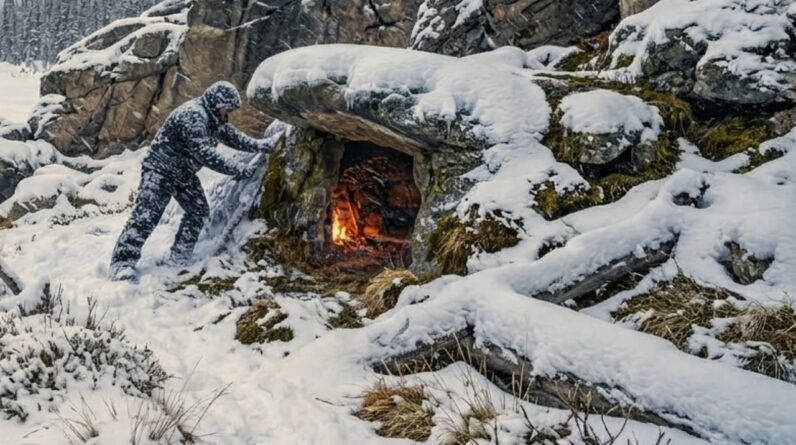
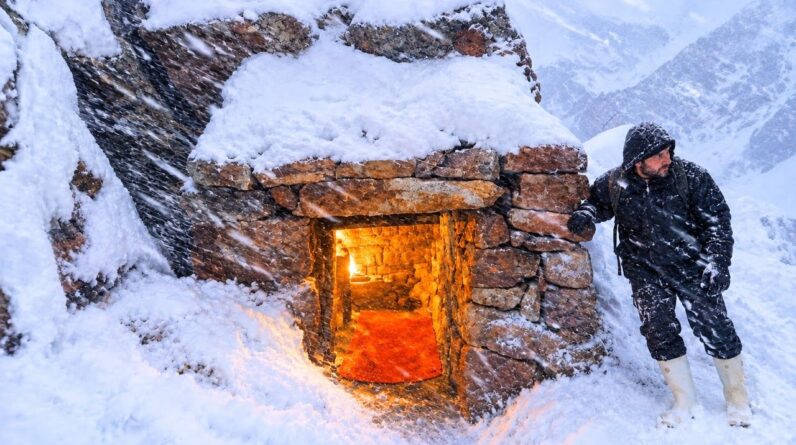
Surviving 30 days alone in the deep wilderness presents demanding challenges that test every facet of bushcraft knowledge, emotional grit, and physical endurance. When heavy rains set in and temperatures drop, relying on a natural rock overhang as a primary shelter foundation can save valuable time and energy. Rather than building a complete timber framework from scratch, utilizing existing geological formations allows survivalists to focus on critical weatherproofing, water drainage, and long-term resource management.
In this guide, we analyze the essential bushcraft tactics and field maneuvers demonstrated during a 30-day solo survival stint under a giant rock formation. From digging strategic perimeter drainage trenches to engineering primitive fish traps and managing fire under torrential downpours, these time-tested wilderness techniques will elevate your off-grid readiness and shelter-building capabilities.
Key Survival Takeaways
- Geological Site Selection: Utilize natural rock overhangs to minimize structural timber requirements while securing instant overhead rain protection.
- Perimeter Drainage Ditching: Dig deep drainage channels upstream of your shelter footprint to redirect ground runoff away from sleeping quarters.
- Elevated Bedding Platforms: Construct raised timber bed frames cushioned with pine boughs or dry leaf litter to prevent ground chill hypothermia.
- Continuous Fire Maintenance: Keep small, hot coals active under shelter overhangs using seasoned hardwood logs to maintain dry living conditions.
- Primitive Fish Trapping: Build funnel-style river traps out of woven saplings to secure reliable protein without spending active calorie hours fishing.
- Food Preservation by Smoking: Cure caught fish and game over low-temperature hardwood smoke racks to prevent spoiling in high-humidity climates.
Leveraging Natural Rock Formations for Emergency Shelter
When faced with an extended wilderness survival scenario, choosing a shelter site near a natural rock overhang offers significant structural and thermal advantages. Rock faces act as immense thermal masses, absorbing heat during daylight hours and radiating warmth back into your camp area as ambient temperatures plummet at night. However, establishing camp beneath stone structures requires careful safety assessments. Before setting up bedding, inspect the overhead rock face for loose shale, deep stress fractures, or signs of recent rockfalls. Avoid low-lying overhangs situated directly in dried stream beds, as sudden rainstorms miles away can trigger rapid flash flooding.
Once a stable rock formation is identified, clear the underlying ground of sharp stones, roots, and damp organic debris. Position your main sleeping platform against the rear wall, ensuring sufficient headroom while maximizing protection from wind-driven rain. By integrating natural cliff walls into your shelter design, you drastically reduce the volume of timber needed for wall construction, allowing you to dedicate precious daylight hours to fire gathering and food acquisition.
Rain Management and Perimeter Ditching Mechanics
Heavy rainfall is one of the greatest threats to wilderness survival, capable of saturating clothing, ruining tinder supplies, and inducing hypothermia within hours. Even the sturdiest rock overhang can become uninhabitable if groundwater pools beneath your sleeping area. To combat ground saturation, dig a continuous perimeter ditch around the high side of your shelter. Use a stout, fire-hardened digging stick or folding entrenching tool to carve a channel at least six inches deep, sloping the ditch downward and away from your living space.
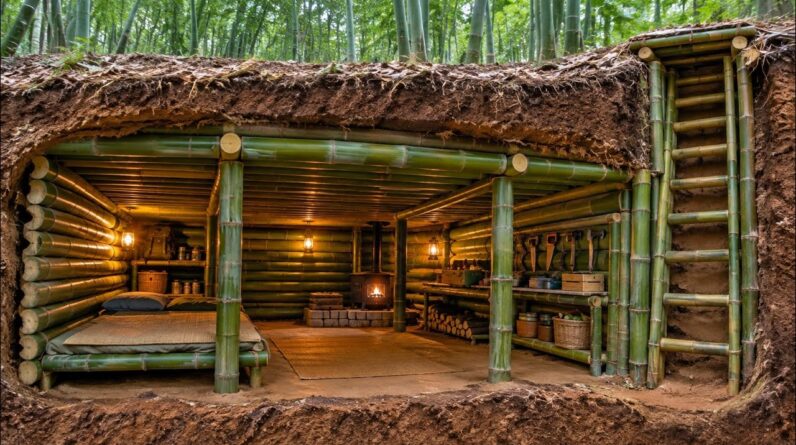
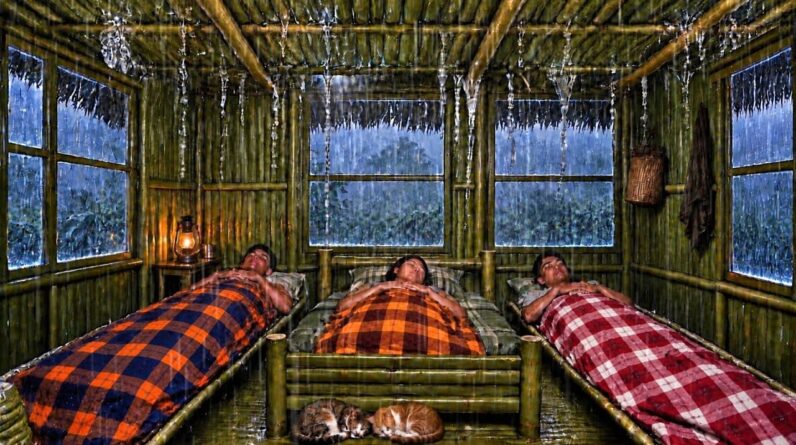
Line the base of the drainage channel with small gravel or river stones if available to prevent soil erosion and channel collapse. Additionally, construct a raised sleeping platform elevated at least four to six inches off the damp soil. Support thick hardwood logs on cross-bearing timber supports, then layer green pine boughs or dry leaves on top. This creates an insulating air gap that traps body heat and prevents moisture from migrating into your sleeping system during prolonged storms.
Primitive Food Procurement and Catch-and-Cook Systems
Sustaining energy reserves over a 30-day period demands consistent protein and fat intake. Angling with hook and line can yield mixed results when river conditions swell during heavy rain. Constructing passive fish traps from flexible willow or bamboo saplings provides a continuous food yield while you tend to camp chores. Weave saplings into a cone-shaped funnel trap with a narrow inward entrance, placing it in calm eddies or narrow choke points along riverbanks where fish seek refuge from fast currents.
Once fish are harvested, proper food preparation is crucial to prevent foodborne illness. Clean the catch immediately near running water and cook over an open fire pit built near the shelter entrance. For excess catches, build a simple A-frame drying rack positioned 24 inches above low-burning hardwood coals. Slowly smoking fish removes moisture and preserves the meat, securing essential emergency rations for subsequent days when heavy downpours prevent active foraging.
Recommended Survival Gear & Equipment
To prepare for similar wilderness survival scenarios, having high-quality, dependable gear is essential. Here are top recommended survival tools:
- Heavy-Duty Survival Tarp
- Ferrocerium Rod Fire Starter
- Full-Tang Bushcraft Knife
- Stainless Steel Bushcraft Pot
As an Amazon Associate, we earn from qualifying purchases.
Conclusion
Mastering long-term wilderness survival requires adapting to nature rather than fighting it. By combining natural rock overhangs with ditching, elevated bedding, and passive trapping, you can remain dry, fed, and warm through 30 days of adverse wilderness conditions.
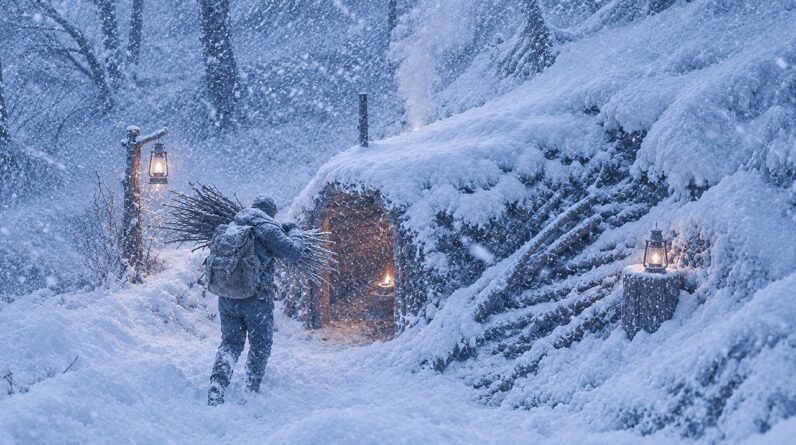
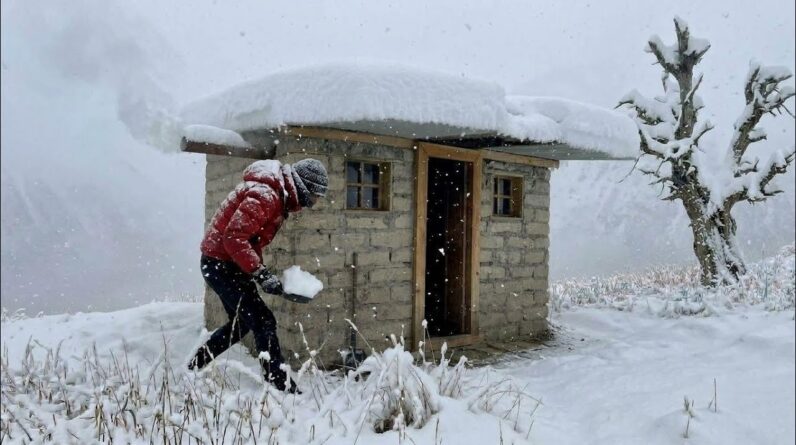

Due to a system error, the video lost part of the sound. I hope you understand. Thank you for always loving and supporting me. I wish you good health and peace.❤
Asli Kereen Mas videonya👍👍❤️❤️&terima kasih sudah berbagi,dari INDONESIA. Wajah&Badan anda bagus knp tdk berKarier di Fashion juga,jd model?
👍👍❤❤GBU,Keep the spirit alive,&tq from INDONESIA
Bạn quay bằng máy quay gì vậy b ?
My sounds cut out
Good vidio survival asli saya suka
Check out GX Too why would you let someone bite your finger and you still holding the phone or Carmen recording it are you stupid or what so you guys better get it together and videos whatever you guys want to share not fake ass shit
Saya sangat suka dengan vidio ini
hi
i am from india
i love your video
😍😄😄😄😄😄🥰🥰🥰🥰🥰🥰🥰🥰🥰🥰🥰🥰🥰🥰🥰😍😍😍😍😍😍😘😘😘
Saludos desde buenos aires, Argentina. Muy buenos tus videos estan geniales
지네를 잡아서 불에 넣고 먹는거는 다른걸 쳐먹네 ㅁㅊ
❤❤❤❤Brother did a great survival camp
Onde fica essa floesta😂?
Nice video❤
❤❤❤great brother
Oii ,,vídeo está sem som
Seu vídeo em certo momento está sem áudio
❤❤❤❤
good bro👍👍👍
hadir bang,,tetap semangat ya bang,,sukses selalu,,dan tetap berhati hati di lokasi bang,,salam satu hobby
16:43 yur friend who uploaded the video forgot to put the sound one after …….. shame 80% of the video is usless
good
Nice adventure ❤👍🤩
SAYA SUKA PECINTA ALAM…
Hi
I love the first video. Very creative and very unique too. The second video I love the place, remind me of my own Kampung (village ).
What else I'm gonna say Thach, I know you are the best.
Good…😘😘👍👍😚😚🎉🎉🎉
Bang kalau malam suka ketemu hantu enggak ?😅
สวัสดีค่ะหนู❤❤
Kan saya belum nonton video ini tapi terima kasih ya sudah update
❤❤❤🎉
Want to see wild boar trappers again?
Hello my dear friends, how are you? Currently, I am preparing for a long journey of survival in the forest. It rains a lot here, every day it rains continuously for so long that I haven't started the journey yet. I will try to send you the latest video. I reupload these videos to keep the channel active. Thach really apologizes for this inconvenience!!! Thank you for always loving me and sending me hugs. I always love you and wish you happiness!
5 second
Big fan 🤯🤯🤯