Field Article // Food & Water
Water Storage Done Right: Barrels, Dosing and Rotation
A barrel is only as good as its cleaning protocol and its rotation schedule. Here is the routine that keeps stored water genuinely drinkable.
Key takeaways // 30-second read
- Sanitise every barrel with a bleach solution before its first fill and after every empty — the container history matters more than the water source.
- Municipal water in a sealed food-grade barrel stays usable 6 to 12 months; label the fill date on the barrel and rotate on a fixed seasonal schedule.
- A full 55-gallon barrel weighs about 460 pounds, so brace it, keep it on a checked floor, and never place it on a shelf or second storey.
- Use a hand pump, siphon or tap adapter so you draw water without lifting or frequently opening the barrel.
- Keep drinking and washing water separate — mixing the open supply with your treated reserve is how a good plan becomes an illness.
Start with a clean container, every time
A barrel that held something else, or sat open in a garage for a year, is a biological risk. Clean before first fill and after every empty:
- Rinse with warm water and dish soap, scrubbing the sides and the underside of the lid.
- Sanitise with a bleach solution — roughly one tablespoon of unscented household bleach per gallon of water — and let it stand for two minutes.
- Rinse thoroughly until no odour remains, then let it dry fully before filling.
Fill and dose correctly
Municipal water is already treated, so with a clean barrel you can fill and seal. If the water comes from a well or an untreated source, treat it as it goes into the barrel. For clear water, add unscented household bleach at roughly 1/8 teaspoon — about 8 drops — per gallon, or use the dose recommended on a food-grade water treatment product, and let it stand for thirty minutes before sealing. Label the fill date on the barrel itself, not in a notebook.
Placement decisions
- Temperature: store below 70°F and out of sunlight. Heat and light are the two factors that degrade stored water fastest.
- Structure: 55 gallons weighs about 460 pounds. Never put a full barrel on a shelf, a joist you have not checked, or a second storey without engineering advice.
- Access: keep barrels where you can reach them without moving a car or clearing a pile of boxes. Storage that requires a search is storage you will not use.
- Bracing: strap or brace barrels against tipping, especially in earthquake or flood regions.
The rotation schedule that actually works
Municipal water in a sealed, food-grade barrel stays usable for 6 to 12 months. Pick a date and tie it to something you already do — when you change the smoke detector batteries, or at the start of every other season. Rotate in two steps: use the oldest water for laundry, toilets or the garden, then refill, re-dose and relabel the barrel. Tasting stored water is not a reliable test; the date on the barrel is.
Getting water out efficiently
- Bung-mounted hand pump or siphon. A few strokes fills a pitcher or a 5-gallon jug without lifting the barrel.
- A tap adapter turns the barrel into a gravity feed for a small sink or bucket station.
- Keep a dedicated 5-gallon jug for daily carrying so you are not opening the barrel constantly, which lets contaminants in.
Water for washing is not water for drinking
Separate the two. Reserve sealed or treated barrels for drinking and cooking, and use a separate open supply — rain barrels, greywater or the oldest rotation water — for washing, cleaning and flushing. Mixing the two is how a working water plan becomes an illness.
Gear & Equipment // Tested
The gear we actually run
Bought at retail and used in the same drills described above. Links are affiliate links — they cost you nothing extra and keep this site independent.
As an Amazon Associate we earn from qualifying purchases.

Amazon pick · Water
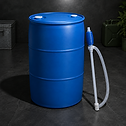
55-Gallon Food-Grade Water Barrel + Siphon Pump
The cheapest way to store real volume. One barrel covers two adults for roughly three weeks at baseline consumption — fill it, treat it, date it.
Street price: $90–$140
Check price on Amazon
Amazon pick · Water
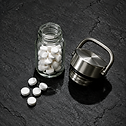
Water Purification Tablets (Potable Aqua)
A 50-tablet bottle weighs nothing and takes over when a filter clogs. Iodine or chlorine dioxide tabs kill viruses that filters miss.
Street price: $8–$14
Check price on Amazon
Amazon pick · Water
Stainless Gravity Water Filter (2-Stage)
For base-camp water: filters 2+ gallons without pumping and holds it ready. The right answer when a household is boiling and drinking all day.
Street price: $150–$300
Check price on AmazonFAQ // Read before you buy
Frequently asked questions
Newsletter // article
Get the next breakdown
New video articles, gear notes from testing and tool updates — one email a week.
No spam. Unsubscribe any time. We never sell subscriber data.
Keep going // 3 more
Related reading

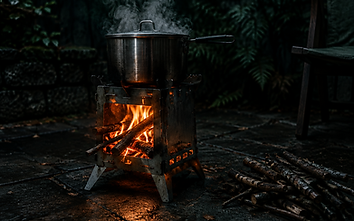
Grid-Down Cooking: 6 Ways to Cook Without Power
Cooking is the first thing that breaks a household's routine in an outage. Six methods, ranked by fuel independence, plus the carbon monoxide rule that keeps the plan safe.

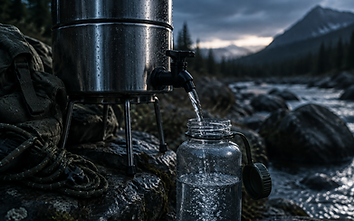
The Complete Off-Grid Water Plan: Sourcing, Filtering and Storing Water When the Tap Stops
Water is the first thing to fail and the last thing people plan for. This guide sets the number your household needs, the containers that hold it, and the treatment ladder that makes any source drinkable.

Building a 12-Month Food Storage Program You Will Actually Eat
Most deep pantries fail for the same reason: they were bought in one weekend and nobody wants to eat them. This is the calorie-first approach that rotates as it builds.