Winter Bushcraft Camping: Building a Warm Plastic Sheet Shelter in the Snow
When the snow starts falling, most people head indoors. Winter bushcraft campers do the opposite. In this video, a solo camper builds a genuinely cozy shelter in a snowy forest using little more than plastic sheeting, natural materials, and a portable wood-burning stove. From clearing a campsite in deep snow to cooking a hot meal inside a heated shelter, the full process shows how a few inexpensive materials can turn a freezing night in the forest into a comfortable, even enjoyable experience.
You will pick up practical lessons in winter site selection, securing a plastic sheet against wind and snow load, running a stove safely inside a small enclosure, and the small details, like banking snow against the walls and layering pine boughs for bedding, that dramatically improve warmth. If you have ever wondered how hot-tent camping actually works, this is the whole system in one build.
Key Survival Takeaways
- Bank snow against the shelter walls. Kicking snow up along the bottom edge seals drafts and adds a surprising amount of insulation, trapping stove heat instead of letting it bleed out at ground level where cold air enters first.
- Pine boughs are a real insulated mattress. A thick layer of evergreen boughs keeps body heat from draining into the snow beneath you, which is one of the fastest ways to lose warmth on a winter night.
- Get the fire going early. In winter, fire is survival, not comfort. Establishing heat before darkness and falling temperatures buys you time and keeps your hands working while you finish the shelter.
- Plastic sheeting turns a stove into a heating system. A snug plastic enclosure catches and holds stove heat the same way commercial hot tents do, at a fraction of the cost and weight.
- Protect the plastic from the chimney. Where the stove pipe passes through the roof, a heat-resistant exit point is critical so hot metal never touches the sheeting, which can melt or ignite.
- Cook inside when you can. A hot meal and warm drinks deliver both calories and morale, and winter is exactly when your body burns the most fuel staying warm.
- Never seal the shelter completely. Even with a chimney, a small vent gap matters; carbon monoxide is the hidden killer in any enclosed shelter with a flame.
How This Build Fits Into a Winter Shelter Strategy
Plastic sheeting is one of the most underrated shelter materials in a survival kit. It is cheap, weighs almost nothing, blocks wind and moisture completely, and can be rigged as an A-frame, a lean-to, or the sealed enclosure you see here. For faster setups in milder weather, the same fundamentals drive our 20-minute emergency tarp shelter system, and for harsher conditions, builders facing heavy snowfall can adapt the same heat-retention principles described in our winter bushcraft stone shelter guide.
One point this video makes obvious: shelter is only half the winter equation. What you wear regulates your core temperature while you work and rest, and a heat-retention shelter cannot compensate for cotton layers next to skin. Before your first winter overnight, review the layering logic in our guide to cold weather clothing layering systems so your clothing and shelter work together instead of against each other.
Gear and Equipment
The right few items make a winter overnight dramatically safer.
As an Amazon Associate, we earn from qualifying purchases.
Frequently Asked Questions
Is plastic sheeting actually durable enough for a winter shelter?
Yes, when you use it correctly. Heavy-duty polyethylene sheeting shrugs off snow load and wind, and as this build shows, a banked layer of snow along the edges both anchors and insulates it. The weak points are heat and abrasion, so keep the stove pipe clear of the plastic, pad sharp poles where the sheeting contacts them, and inspect for tears each day. Thinner sheeting works in a pinch but expect a shorter service life in sustained wind.
Is a wood stove safe inside a plastic shelter?
It can be, with three rules: the chimney must pass through a heat-shielded opening so hot metal never touches the sheeting, the shelter needs a small permanent vent for fresh air, and the stove sits on a cleared, non-flammable base well away from walls and bedding. Carbon monoxide is odorless, so never sleep with the stove dampered down and the shelter sealed tight.
How warm can a shelter like this actually get?
With a small stove running, an enclosed plastic shelter commonly climbs 30 to 50 degrees above the outside temperature, enough to melt interior snow and make the space comfortable in a base layer. Heat retention depends on shelter volume, so smaller is warmer; an oversized shelter forces the stove to work harder for the same result.
What should you sleep on in deep snow?
Never sleep directly on snow or on the plastic floor, because compressed snow conducts body heat away fast. Build a thick mattress of pine or fir boughs, add a foam pad if you have one, and warm the shelter with the stove before settling in so your sleeping bag starts the night with a head start.
Final Thoughts
This build is a compact masterclass in winter heat management: a cheap sheet of plastic, a small stove, banked snow, and bough bedding together create a shelter you can actually rest in. The materials list is short, the skills are learnable in a weekend, and the payoff is confidence on the one night a year when everything goes wrong. Watch the full video, then practice the setup before you need it.
Get the next breakdown
New video articles, gear notes from the field and tool updates — one email a week.
No spam. Unsubscribe any time. We never sell subscriber data.
Related reading

How to Build an Elevated Survival Tree Shelter in the Jungle
Build an elevated survival tree shelter in the jungle: site selection, timber lashing techniques, platform construction and two safe nights in the canopy.

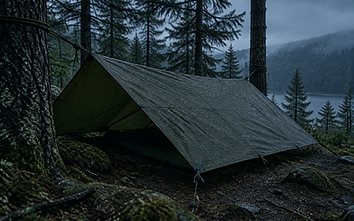
Emergency Shelter: The 20-Minute Tarp System
A tarp is the fastest route to real shelter. Pick the site first, then the shape — the difference between a dry night and a wet one is usually the ground, not the knot.

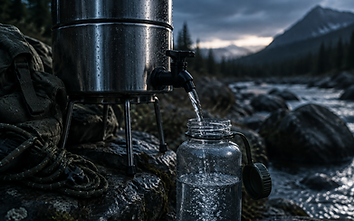
Build a Rain Catchment System for Under $150
Every thousand square feet of roof collects about 600 gallons per inch of rain. A basic diverter and first-flush setup turns that into usable water.