Cold Weather Clothing Layering Systems: How to Dress to Survive Extreme Cold
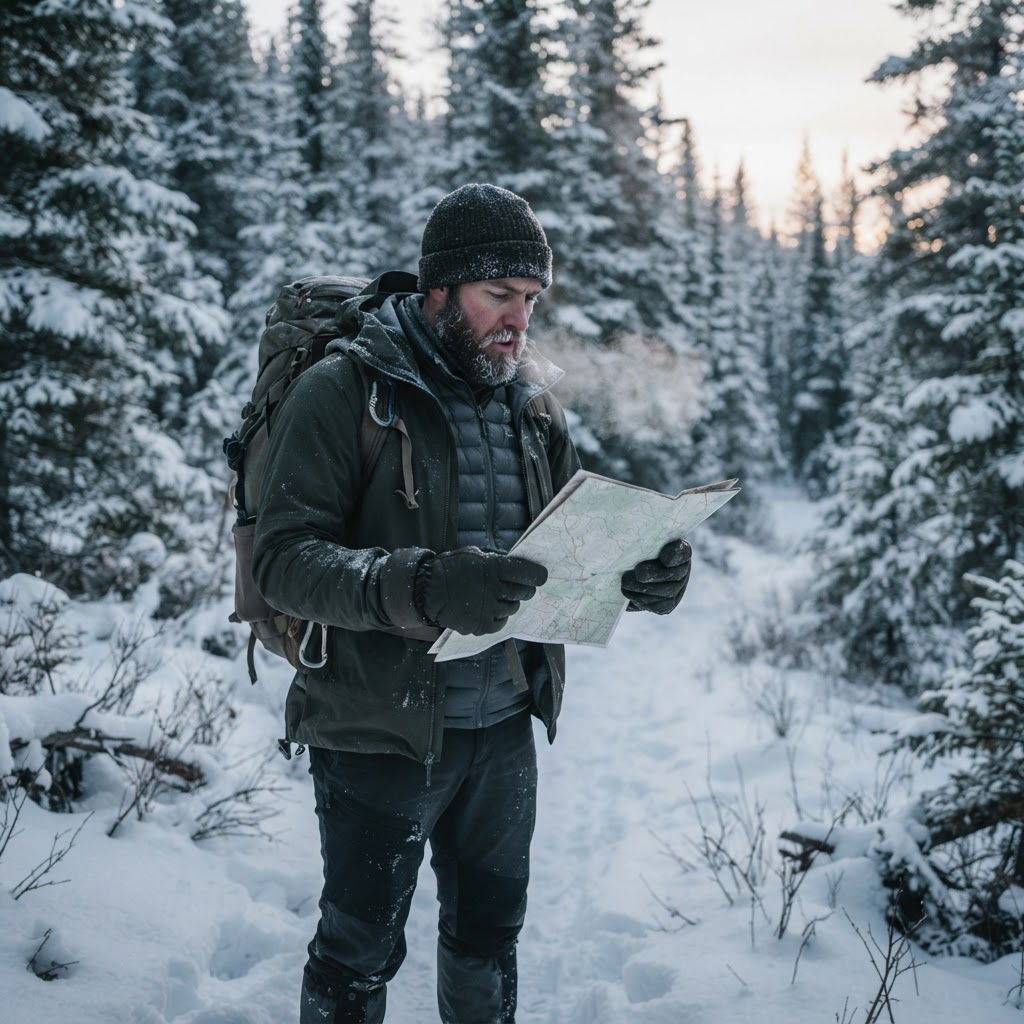
Cold weather kills quietly, one damp sleeve and one skipped layer at a time. According to CDC mortality data, hypothermia claims roughly 1,300 lives in the United States in an average year, most of them at temperatures well above what people would call extreme. What separates people who shrug off a cold snap from people who end up in trouble is rarely luck. It is the deliberate, layered way they dress. This guide breaks down cold weather layering the way survival instructors, winter search-and-rescue teams, and US Army cold-weather doctrine teach it, so your clothing system keeps you functional when the temperature drops and the wind picks up.
Why Layering Beats One Heavy Coat
The insulation that keeps you warm is not fabric. It is the air trapped inside fabric and between layers. Still air is a terrible heat conductor, and every pocket of it between your skin and the storm slows the heat leaking off your body. A thick coat gives you one fixed amount of trapped air you cannot adjust. A layered system gives you a stack of air pockets you can add, shed, or vent as conditions change.
The second reason layering wins is moisture. Your body releases close to a liter of sweat a day even at rest, and far more when you are hauling firewood, a point driven home in every guide on off-grid cabin winter prep. Wet clothing transfers heat away many times faster than dry clothing, which is why damp fabric feels like an ice pack within minutes in a wind. A proper layering system moves that moisture outward, away from your skin, while blocking wind and precipitation from coming in. The National Weather Service wind chill charts make the stakes plain: a 30 mph wind at 20°F strips heat from exposed skin as fast as calm air at 1°F. Clothing that is wet, tight, or wind-permeable lets that heat loss happen through fabric too.
The Base Layer: Your Moisture Manager
The base layer sits against your skin, and its job is not warmth. Its job is to keep your skin dry by wicking sweat outward and drying fast. This is where the single most important rule in cold weather dressing lives: no cotton. Cotton absorbs sweat, holds it against your skin, and loses essentially all insulating value when wet. Winter safety instructors have a phrase for it: cotton kills. A cotton t-shirt under a warm jacket can turn a hard hike into a hypothermia risk the moment you stop moving.
Your real choices are merino wool and synthetics. Merino wicks well, insulates even when damp, and resists odor. Synthetics dry faster, cost less, and take more abuse, but hold odor. Fit matters: a base layer should sit snug enough to wick but never tight enough to compress the insulating air out of the next layer. For active winter work, midweight is the versatile pick; heavyweight belongs on ice fishing stands and long vehicle waits.
The Mid Layer: Your Insulation
The mid layer exists to trap body heat, and loft is the entire game. Loft is the thickness of dead air a material holds, and more loft means more warmth, which is why a puffy jacket that packs into a stuff sack can outperform a heavy wool coat. Classic mid layer options include fleece, wool sweaters, down insulation, and synthetic fill.
Down is the warmth-per-ounce champion, and 650 to 800 fill power down keeps a person functional in brutal cold. Its weakness is fatal in wet conditions: down collapses when soaked and stops insulating. Synthetic fills like PrimaLoft keep most of their insulating value when damp and dry far faster. For field use where rain, wet snow, and sweat are likely, many search-and-rescue teams prefer synthetic mid layers for exactly this reason, a trade-off professional working rangers understand well. A practical field system uses two mid layers: a light fleece for active movement, and a puffy parka that goes on the instant you stop, because the moment a hard hike ends, heat production drops while the sweat already in your layers is still cooling you.
The Outer Shell: Your Weather Armor
The shell blocks wind, snow, and freezing rain while letting the moisture your base layer moved outward escape. A shell that is waterproof but not breathable turns your clothing into a plastic bag, trapping sweat until you soak yourself from the inside. Look for breathable waterproof membranes with taped seams, or softshell fabrics for cold, dry conditions where stretch and quiet movement matter more than absolute waterproofing. Pit zips and core vents are not marketing fluff; they are the throttle that lets you dump heat before you soak your mid layers. A hood that fits over a beanie, a storm flap over the zipper, and cuffs that seal over gloves separate a shell that works in real weather from one that works in a product photo.
Extremities: Hands, Feet, and Head
Your core protects itself by cutting blood flow to extremities when it gets cold, which is why fingers, toes, ears, and noses are where frostbite starts, while your head and neck are major radiant heat losses. Practical priorities: a warm beanie or balaclava you actually keep on, a neck gaiter you can pull over your face against wind, and gloves in a layering system of their own: a thin liner glove for dexterity, an insulated glove or mitt for warmth, and a shell mitten for the worst weather. Mittens beat gloves for pure warmth because fingers warm each other.
For feet, the same no-cotton rule applies. Wool or wool-blend socks, properly sized so they do not compress inside the boot, are the foundation. Cold-weather boots need room: a boot worn tight is a cold boot, because compression squeezes out the warm air and chokes circulation. Experienced winter travelers sized up or added felt insoles long ago for static hours in the cold, and chemical warmers are a supplement to that system, not a substitute for dry socks and insulation.
Dressing for Activity: The Art of Not Sweating
The hardest skill in cold weather dressing is not choosing the right parka. It is managing heat during transitions. US Army cold-weather guidance is blunt: sweating in the cold is a tactical mistake. Every ounce of moisture trapped in your layers becomes a liability the moment you stop moving. The old instructor's rule is to start slightly cold. If you step outside to chop wood or hike a trail and you feel perfectly toasty in the first five minutes, you are overdressed and will be damp in twenty. Move, vent, and shed layers before you feel hot; add layers the moment you stop. Anticipate the stops: put the puffy on before you sit still, not ten shivering minutes after.
Dress so you can climb, haul, or dig at a pace that keeps you just short of sweating. When the stranded driver in a heavy coat hikes out and arrives soaked, they have spent the sweat reserve that was supposed to carry them through the night.
Layering Mistakes That Get People Hurt
- Cotton anywhere in the system. The classic case: a heavy cotton hoodie that feels warm indoors becomes a hypothermia accelerant once wet.
- Dressing for the car, not the destination. A highway commuter in a light jacket depends entirely on the heater working. Keep a full spare layer set in your vehicle, the same logic behind a dedicated winter car survival kit.
- Too tight. Compressed layers, tight boots, and constricting cuffs kill insulation and circulation.
- No vents, no adjustment. A fixed system cannot respond to work, weather, or stops, so you either cook or freeze.
- Forgetting the dry spare. Anyone who travels in cold country should carry a dry base layer set. Changing into dry socks and a dry shirt is one of the most underrated warmth moves in winter survival.
Key Takeaways
- Warmth comes from trapped dry air between layers, not from one thick garment; a system you can vent and adjust beats a parka you cannot change.
- Base layer wicks, mid layer insulates, shell protects: three distinct jobs, and a layer that fails at its job puts the others in trouble.
- No cotton next to skin, ever. Merino or synthetic base layers, wool or synthetic socks, non-negotiable.
- Sweat is the enemy. Start slightly cold, vent early, and put insulation on the instant you stop moving.
- Protect extremities with a beanie, neck gaiter, layered gloves, and roomy insulated boots, and always carry dry spares.
Gear and Equipment
Building a layering system does not have to be expensive. These are the core pieces, and each link goes to a search page so you can compare options at your budget:
As an Amazon Associate, we earn from qualifying purchases.
Frequently Asked Questions
Is cotton really dangerous in cold weather?
Yes. Cotton absorbs and holds moisture against your skin, loses its insulating value when wet, and dries slowly. Since wet fabric pulls heat from your body many times faster than dry fabric, a cotton layer can actively cool you in the exact conditions where you need warmth. Winter instructors summarize it as "cotton kills." Swap every cotton layer that touches skin for merino or polyester.
How many layers should I wear below freezing?
For active work below freezing, a solid baseline is base layer plus light fleece plus shell, then add the insulated puffy when you stop moving. For sitting still in sub-zero weather, go to a heavyweight base layer, a thick fleece or wool sweater, the insulated parka, and a windproof shell. The right answer changes with wind, precipitation, and your workload, which is exactly why adjustable layers beat a single fixed coat.
Is down or synthetic insulation better for survival situations?
It depends on wet exposure. Down packs the most warmth per ounce and lasts many seasons, but it collapses and stops insulating when soaked. Synthetic fill keeps most of its warmth when damp and dries fast, which is why it is the usual recommendation for emergencies, wet climates, and anyone who may not control their conditions. If you run down, carry it inside a waterproof shell and keep a dry synthetic mid layer as backup.
How do I keep my feet warm in extreme cold?
Three rules: wool socks, roomy boots, and dry spares. Wool insulates even when damp, a roomy boot holds the warm air layer your feet need, and tight boots choke circulation. Remove damp socks when you come indoors and always carry a dry pair. For long static periods, felt-lined pac boots beat thicker socks, which can compress and reduce blood flow.
Should I size up winter clothing to fit more layers?
Fit each layer for its own job: base layers snug to wick, mid layers without compression, and a shell roomy enough to cover everything underneath. Sizing up the shell is wise if a puffy goes under it, but an oversized base layer will not wick and an oversized parka pumps heat out through open cuffs. Buy the system together, not piece by piece.
Conclusion: Build the System Before You Need It
Cold weather layering is one of the rare survival skills you can buy, pack, and rehearse in advance, and it protects you in more scenarios than almost any other gear: a stranded commute, a power outage at home, a backcountry emergency. Get the three-layer logic straight, purge the cotton, carry dry spares, and practice venting before you sweat. Test your system on a short winter hike, not during the storm that knocks your power out for three days. If you are building your broader emergency kit alongside your wardrobe, our Bug-Out Bag Builder quiz at https://survivalvideohacks.com/tools/bug-out-bag-builder will help you match your gear to your climate and scenario, and for everything else winter throws at you, start with our guides on the winter car survival kit, winter cabin prep, and the gear worth buying twice.
Get the next breakdown
New video articles, gear notes from the field and tool updates — one email a week.
No spam. Unsubscribe any time. We never sell subscriber data.
Related reading


10 Pieces of Survival Gear Worth Buying Twice
Ten pieces of field-tested survival gear worth buying twice: folding saws, knives, cook kits, and the buy-again test that separates trust from hype.