The Psychology of Fallout: Staying Sane in a Nuclear Crisis
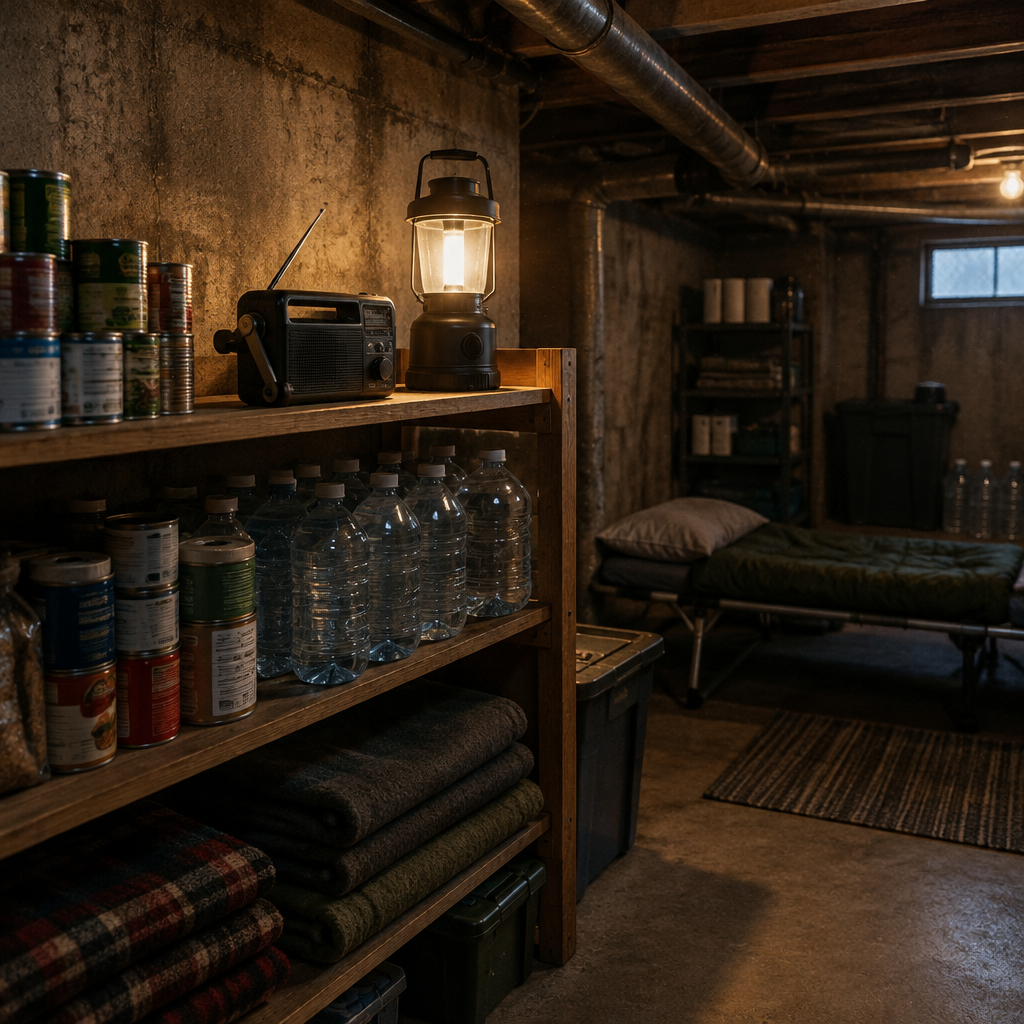
Nuclear preparedness has a version that fits in a duffel bag, and a part that decides whether you make it through the second week. Radiation is physics. Panic is psychology. Most preppers get the first roughly right and never train the second, then discover that the hardest thing to manage in a shelter is not the fallout outside the wall but the six people inside it.
What a Nuclear Crisis Does to a Normal Mind
Acute stress in a disaster is not a malfunction. The problem is that it is calibrated for minutes of danger, not weeks of waiting. Adrenaline is expensive, and a body that stays in that state for days pays for it in sleep, patience, and judgment.
Expect a narrow, focused alertness in the first hours that feels almost useful: hands shaking slightly, hearing sharpened, time distorted. That is normal fight-or-flight, and it usually fades within a day or two. What follows catches people off guard: a flat, exhausted fog, irritability over small things, and trouble making decisions that used to be easy.
The behavioral-health sequence is get safe, get stable, get connected: shelter first, then sleep, water, food and routine, then contact with people. Processing the meaning of an event while sleep-deprived is wasted effort. Maslow before philosophy.
The News Loop Is a Threat Delivery System
In a crisis, information and threat arrive through the same channel, which makes continuous monitoring the most damaging habit of the first week. Emergency alerts repeat on purpose until the message sticks. That works when the goal is getting you to shelter. It works against you once you are there, because the brain cannot fully tell a repeated alert from a worsening situation.
The symptoms are recognizable: refreshing a feed while feeling worse each time, dread at a headline that turns out to be three days old, a creeping sense that nothing you do matters. Those are not signs you need more information. They are signs the channel now costs more than it delivers.
The fix is boring and it works. Two or three scheduled windows a day, one trusted source with a defined end, note what is actionable, turn it off. A hand-crank NOAA weather radio enforces that boundary. A feed does not.
Confinement Is Its Own Stressor
Shelter guidance says stay inside at least 24 hours, longer where dose rates stay high. That means a small space, a fixed group, limited privacy, and a monotonous soundtrack. Submarine crews and polar stations train for exactly this, and the lessons transfer to a family basement.
Roles. Everyone gets a named job, including children old enough to hold one. Jobs convert helplessness into agency, the single strongest protective factor in a prolonged emergency: you own the water count, you own the radio log, you own the little one's bedtime.
Routine. Meals at set times, a sleep schedule even when it is boring, daily movement, and a marker for where one day ends. In a windowless room time loses its edges. A wall calendar and a pencil are real equipment.
Conflict protocol. The argument you have had for ten years gets sharper in a room with no exit. Agree in advance how disagreements get parked: a phrase, a pause, no decisions after dark or before coffee. This is not therapy, it is plumbing.
Children. Kids read the adults around them more than the news. They do not need the full picture; they need honesty at their level plus proof an adult is handling it.
Sleep, Water, and the Unglamorous Foundations
Most dramatic-sounding psychological problems in week one are downstream of dehydration, broken sleep, and hunger. Decision quality collapses faster than people expect, and irritability arrives before anyone names the cause. Two liters of water, earplugs, and a dark corner are equipment, not luxuries. Treat a headache that will not quit or someone who stops eating as a logistics problem first.
When It Stops Being Normal Stress
Most acute reactions ease within days or weeks once conditions stabilize. Some do not, and the signs are specific: intrusive images that will not stop, nightmares repeating one scene, avoiding anything that reminds you of the event including the radio, detachment from people you love, weeks of insomnia, rage faster than the situation justifies, physical symptoms with no medical cause.
Those track the clinical criteria for acute stress and post-traumatic stress disorders. If they persist past a month or interfere with function, that is a professional question, not a character question. Cognitive behavioral and trauma-focused therapies have solid evidence. In the US, the SAMHSA Disaster Distress Helpline (1-800-985-5990) offers free 24/7 disaster crisis counseling. One honest caveat: in a severe event access to care may be limited for weeks, which argues for front-loading the cheap preventive work above.
Key Survival Takeaways
- Acute stress is normal and usually temporary. Expect a foggy, irritable crash after the event, not perpetual panic.
- Feed the body first. Water, sleep, and food fix more "psychological" problems than any technique will.
- Schedule your information. A hand-crank radio with two fixed listening windows beats a live feed.
- Give everyone a job. Agency is the strongest protective factor in prolonged confinement.
- Screen for real disorder. Intrusive thoughts, avoidance, and weeks of insomnia are clinical questions, not toughness questions.
Gear That Supports Mental Stability
- Hand-Crank NOAA Weather Radio - information on your schedule
- Long-Runtime LED Lantern - controlling light controls the room
- Stackable Water Storage Containers - removes rationing anxiety
- Reusable Earplugs - sleep in a shared shelter is equipped for
- Waterproof Notebook - a radio log and duty roster keep time legible
Disclosure: As an Amazon Associate, Survival Video Hacks earns from qualifying purchases made through the links on this page. We link to gear categories we judge relevant to the scenario, not the most expensive items.
Frequently Asked Questions
Is it normal to feel numb instead of scared after a nuclear event?
Yes. Emotional numbness is a common acute stress response, not evidence you do not care. It usually eases as sleep and routine return.
How do I stop doomscrolling during a crisis?
Replace the stream with scheduled windows. Two or three times a day, one trusted source, note only what is actionable, then stop.
Should I tell children how bad the situation is?
Give them honesty at their level plus proof that an adult with a plan is handling it. Concrete jobs and predictable routines do more than detail.
How long do acute stress reactions usually last?
Many improve within days to weeks once immediate danger passes and basic needs are met. Past a month, professional help matters.
The Bottom Line
Households that come through a nuclear crisis well are rarely the ones with the most gear. They are the ones with jobs, routines, information discipline, and a plan for the argument that was going to happen anyway. That is trainable now, in peacetime, with the power on. Start with the fallout shelter mistakes that undo good plans, then the first 24 hours timeline. If your kit is the weak spot, the bug-out bag builder quiz finds the gaps in ten minutes.
Get the next breakdown
New video articles, gear notes from the field and tool updates — one email a week.
No spam. Unsubscribe any time. We never sell subscriber data.