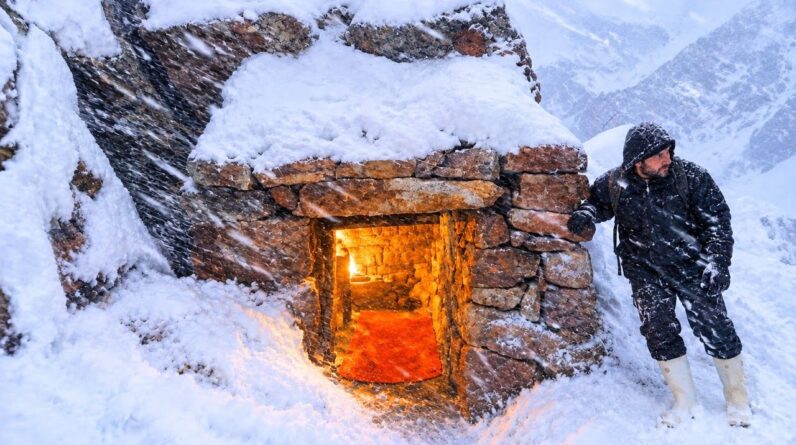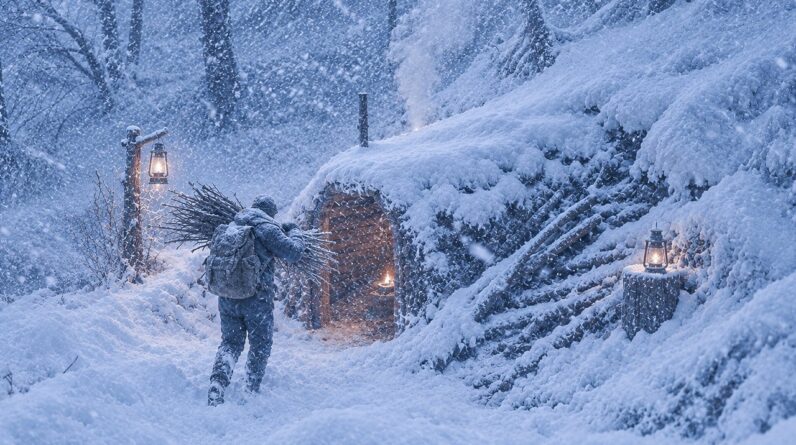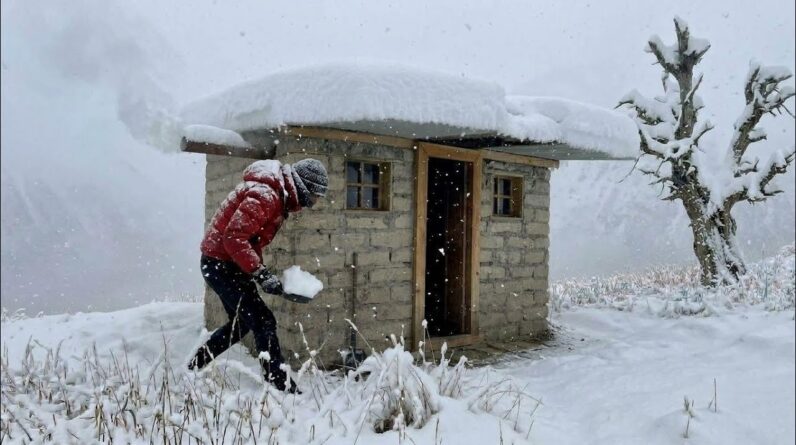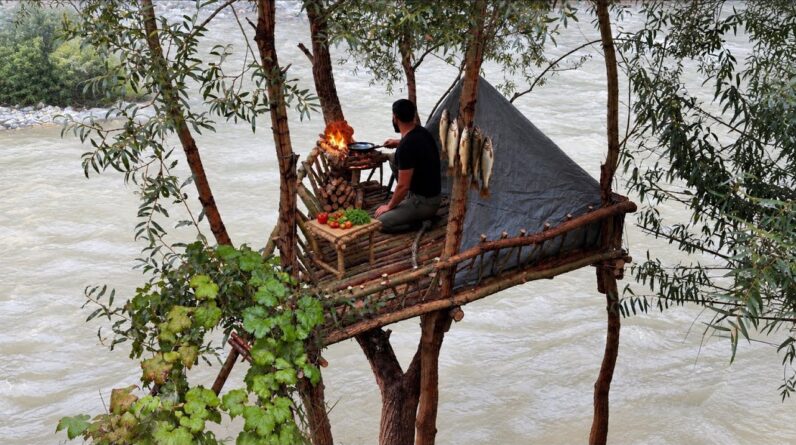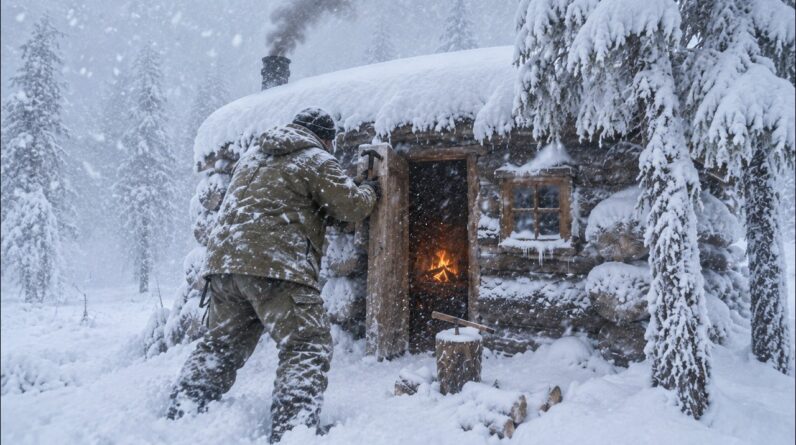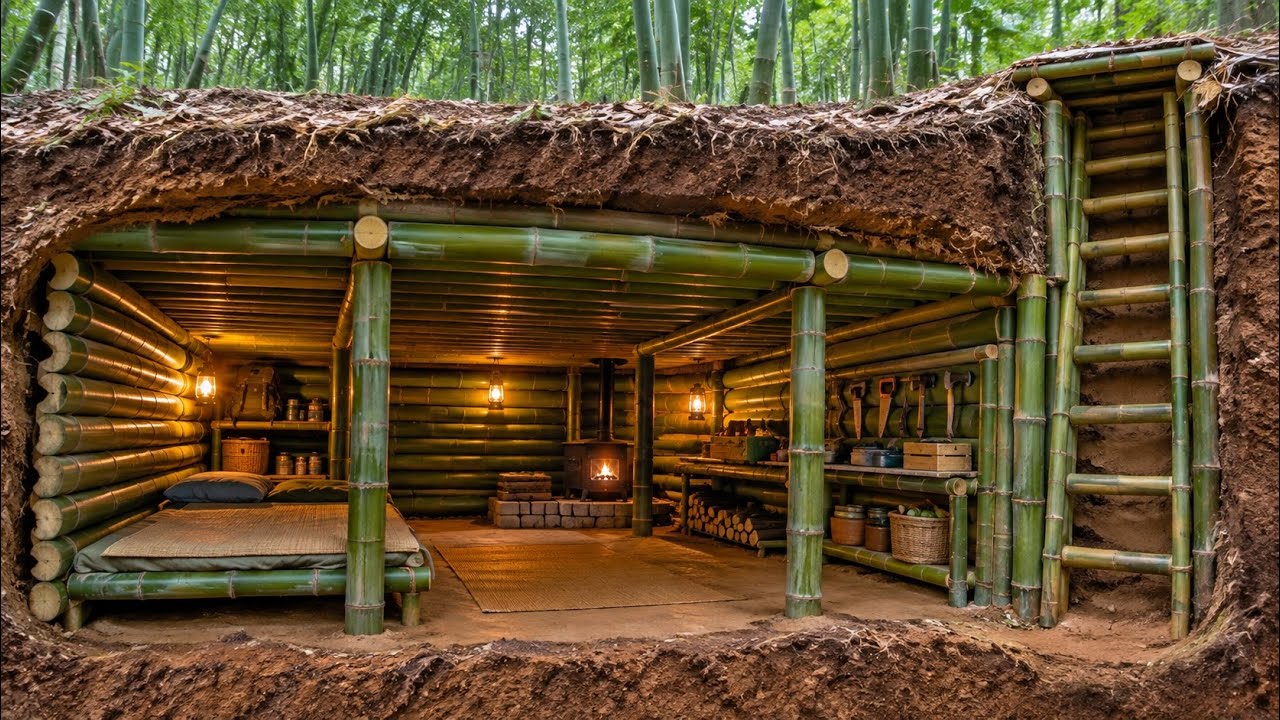
When winter closes in, the difference between thriving and merely surviving usually comes down to one thing: shelter. In the video above, survival builder Im Hoang heads deep into a bamboo forest to build a warm bamboo shelter capable of carrying him through the coming winter. Rather than relying on modern gear, he works with the material the landscape provides in nearly unlimited quantity, harvesting, splitting, and lashing bamboo into a structure that blocks the wind, sheds precipitation, and traps the warmth of a small fire.
Over the course of the build, you’ll pick up practical lessons on site selection, bamboo as a construction material, framing and wall-weaving techniques, insulated flooring, and heat retention. Whether you’re a bushcraft hobbyist planning your next overnighter, a homesteader adding an outbuilding to your property, or simply someone who wants cold-weather skills in your back pocket for emergencies, this build is full of knowledge you can take with you.
Why Bamboo Is a Serious Winter Shelter Material
Bamboo is often pigeonholed as a tropical plant, but anywhere it grows it is one of the most useful shelter-building materials you could ask for. The hollow, node-segmented structure of each culm gives bamboo an exceptional strength-to-weight ratio: a pole light enough to carry in one hand can bear the load of a roof frame. Its stiffness and straightness make framing nearly effortless compared to crooked timber poles.
Because bamboo splits predictably along its length, a single culm can be riven into lath strips for woven walls, flooring slats, or roof battens. The nodes act as natural break points and attachment points, and lashing with cordage, bark strips, or split bamboo itself holds joints tight without a single nail. Perhaps best of all, a bamboo forest regenerates with astonishing speed, so harvesting a shelter’s worth of poles does little lasting damage, and your building supply sits just steps from your camp.
Key Survival Takeaways
- Site selection comes before cutting a single pole. The build starts on flat, well-drained ground near the bamboo supply, positioned to block the prevailing winter wind. Low hollows where cold air and meltwater settle are avoided, since those spots can run many degrees colder at night.
- Use the strongest culms for the frame, lighter material for the skin. Thick, mature poles carry the load-bearing posts and ridge line, while thinner poles and split lath fill in walls and roof. Matching each pole to its job keeps the structure light, quick to build, and rigid under snow load.
- Woven split-bamboo walls block wind without sealing you in. Splitting culms into lath and weaving them through the frame creates a lattice that stops the wind while still permitting slight airflow, which keeps condensation from soaking the interior overnight.
- Get off the ground. A raised bamboo platform floor is one of the most important cold-weather details in the build. The earth pulls heat from your body faster than the air does, so sleeping a few inches above grade on slatted bamboo dramatically improves how warm the shelter feels.
- Pitch the roof steeply and overlap every layer. A steep pitch sheds rain and snow instead of collecting them, and overlapped roofing layers channel water off the structure. Slack or gapped layers are where leaks and cold drafts begin.
- Design for heat retention. A compact interior warms quickly from body heat and a small fire, and orienting the opening away from the wind with a partial door or reflective wall holds that warmth through the night while still venting smoke safely.
- Insulate with what the forest gives you. Loose debris, leaves, and leftover split bamboo packed into the walls and over the roof add trapped air, the real insulator, closing the gaps that would otherwise bleed heat all night.
Gear & Equipment
A bamboo build proves you can shelter yourself with almost nothing, but a handful of modern tools make any cold-weather project faster, safer, and more comfortable. A solid fixed-blade bushcraft knife is the single most versatile tool for splitting and processing bamboo. A folding camp saw turns pole harvesting into minutes of work instead of an hour of chopping. A ferrocerium rod fire starter gives you reliable fire in damp winter conditions, and a heavy-duty waterproof tarp with some parachute cord makes a fast backup roof. For sleeping warm, a thick wool camping blanket keeps insulating even when damp.
As an Amazon Associate, we earn from qualifying purchases.
Frequently Asked Questions About Bamboo Shelters
Is bamboo really strong enough for a winter shelter?
Yes. Mature bamboo culms have a strength-to-weight ratio that rivals many structural timbers, which is why they can carry a ridge line and roof load while staying light enough to carry in one hand. The keys are choosing thick, mature poles for the load-bearing posts and lashing every joint tight so the frame behaves as one rigid unit under wind and snow load.
How long does a bamboo shelter last?
Untreated bamboo in contact with damp ground typically holds up for one to three seasons, though a raised floor, good drainage, and solid roof coverage extend that considerably. Harvest mature culms rather than green shoots, keep floor and wall slats off direct soil contact, and plan to refresh lashings and roofing material each year.
Can I run a fire inside a bamboo shelter safely?
A small fire can warm the shelter, but only in a stone-lined pit placed well clear of the walls, roof edge, and raised floor. Orient the opening so the fire reflects heat inside while smoke vents naturally, keep the flame small, and never sleep with an open fire burning. The same carbon monoxide caution that applies to tents and cabins applies to any enclosed shelter with a flame.
How warm can a bamboo shelter actually stay overnight?
With a raised slatted floor, woven walls packed with debris insulation, and a compact interior, a bamboo shelter holds meaningfully more heat than an exposed tarp or open bivouac. Body heat plus a small supplementary fire can keep the interior above freezing in many winter conditions, but a proper wool blanket or sleeping system is still essential for real cold.
Do I need permission to harvest bamboo?
Only cut bamboo where you have clear legal access: your own land, private property with permission, or public land where harvesting is explicitly allowed. Rules vary widely, so check local regulations first. Because bamboo regenerates from its root system, taking a few mature culms responsibly does little lasting damage to the stand.
Final Thoughts
Im Hoang’s winter bamboo shelter is a masterclass in solving every shelter problem at once: frame, walls, floor, and roof from a single abundant material. The deeper lesson is the one that matters most, that shelter skills compound. Practice them in fair weather, and they’ll be ready when the forecast turns.