Riding Out the Storm the Old Way
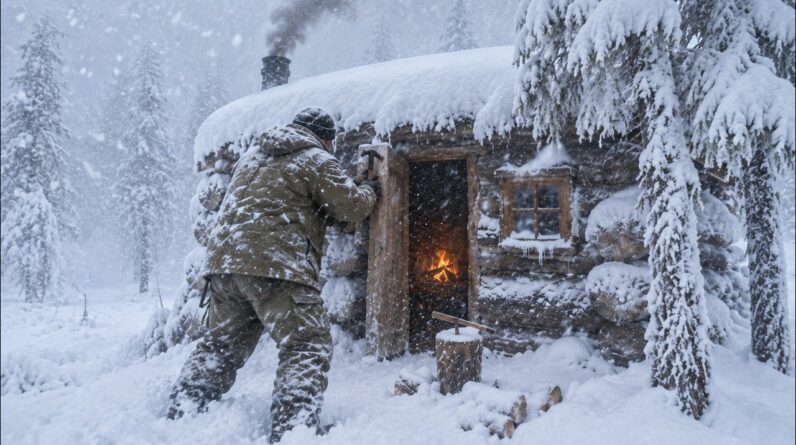
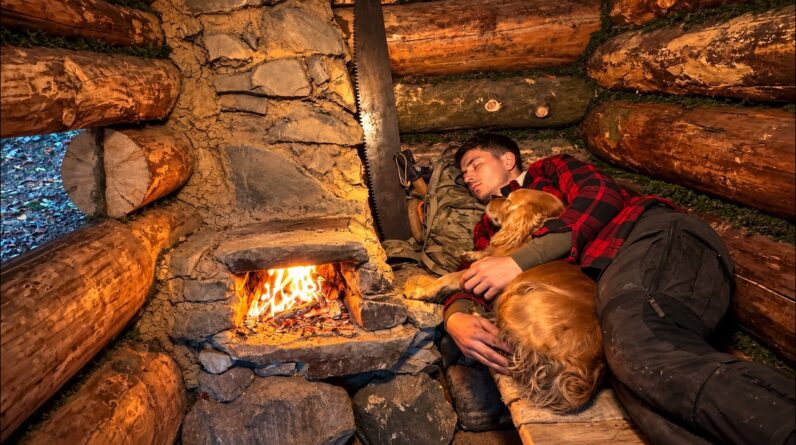
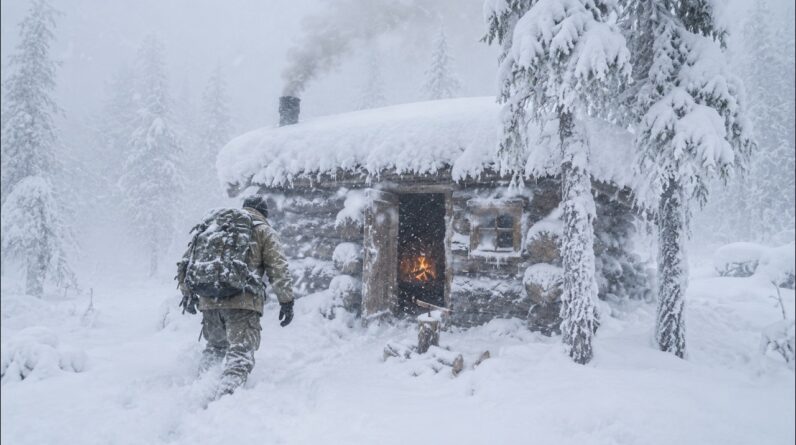
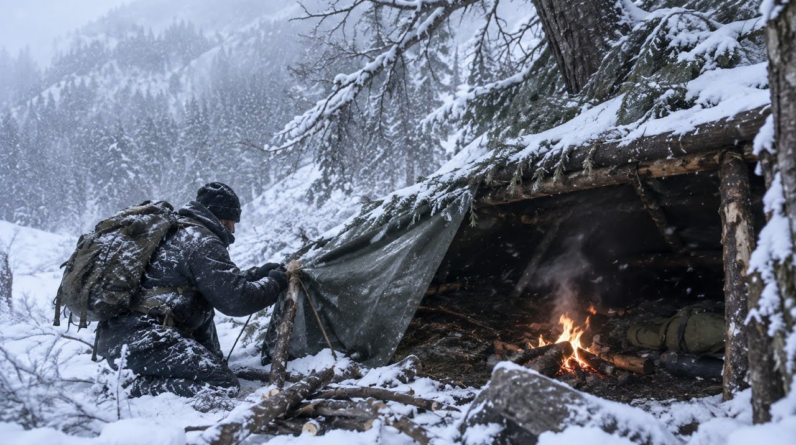
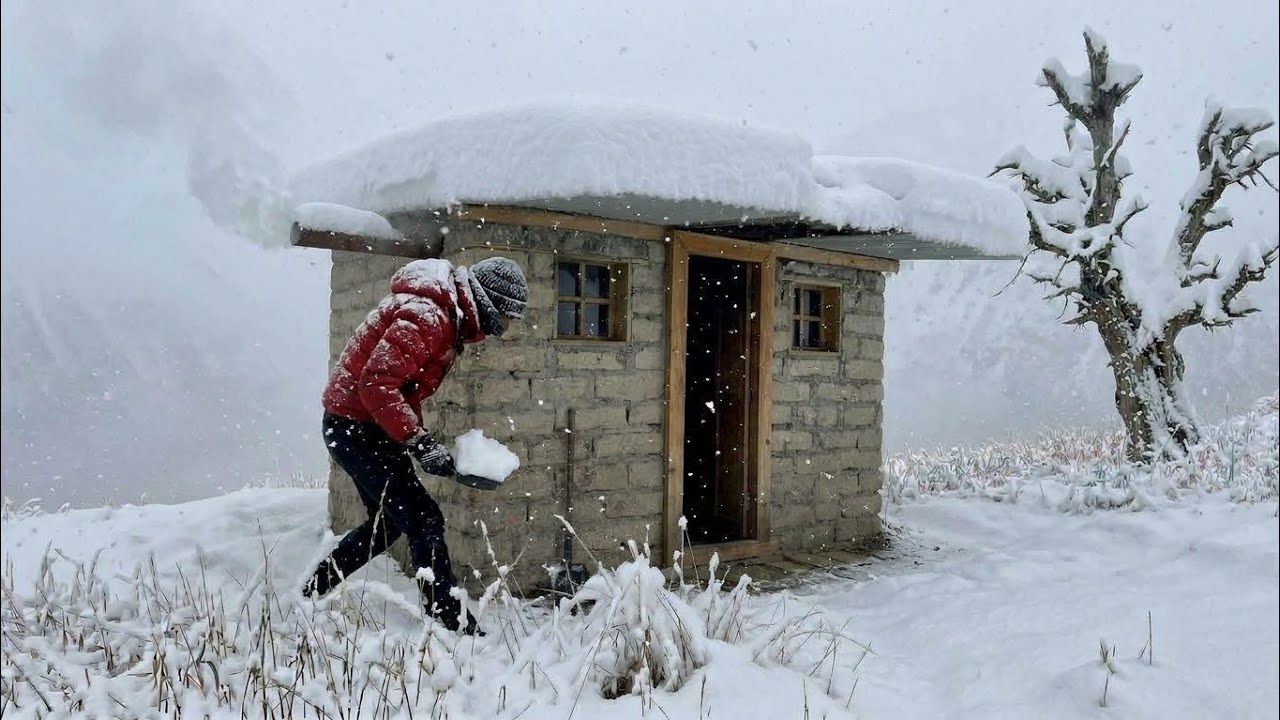
Picture a stone survival shelter tucked among snow-covered pines, a thick white blanket settling over its roof while icy wind racks the tree line. That is exactly what this video captures: a winter bushcrafter holes up to ride out days of heavy snowfall, tending a fire, cooking simple meals, and letting the forest howl itself out while the shelter holds steady inside.
In this article, we break down what makes a stone shelter such a formidable cold-weather refuge. You will learn how stone’s thermal mass and a snow-loaded roof work together, why site selection matters as much as materials, how to manage the snow piling on top of your shelter, and what gear you want on hand if you plan a similar winter camp. The video is a quiet one, heavy on natural sound, but the lessons for anyone who camps in cold weather are practical and worth taking notes on.
Key Survival Takeaways
- Stone walls even out the cold. The shelter’s rocky mass absorbs heat from the fire all day, then releases it slowly overnight. That thermal buffering keeps interior temperatures far steadier than a nylon tent or thin-walled tarp shelter ever could.
- A snow-covered roof is insulation, up to a point. The thick white blanket traps dead air and adds real insulating value, but heavy accumulation becomes a structural load. The builder lets a moderate layer sit and sheds the rest, balancing warmth against weight.
- Keep the door low and the bedding high. Cold air sinks and pools at floor level. A low entrance and a raised sleeping platform exploit that physics, keeping the sleep zone in the warmest air the shelter has to offer.
- Run a small, steady fire rather than a bonfire. A modest flame maintained for hours heats the stone more effectively than short bursts of intense heat, and it stretches a limited woodpile across an entire storm.
- Stage and dry wood inside. Fuel gathered during snowfall is damp, so it gets stacked near the fire to dry before it is burned. That simple habit turns consistently poor fuel into usable heat.
- Chores are warmth and morale. Melting snow for water, cooking, and keeping the entrance clear keep the body moving and the mind settled. In prolonged winter confinement, routine is a survival skill of its own.
Why Stone Shelters Excel in Deep Winter
Stone gets a bad reputation in summer bushcraft circles because it holds the day’s chill well past sunset. Flip the calendar to deep winter and that same property becomes a gift. Rock absorbs heat slowly and releases it slowly, which means a fire burning through the afternoon keeps radiating gentle warmth through the coldest hours of the night. Add a roof blanketed in snow, itself an excellent insulator thanks to the air trapped inside it, and you get a shelter with a microclimate that stays well above outside temperatures without a stove running around the clock.
The video makes a second, quieter point: stone is also a superb windbreak. Icy gusts that would flatten a tarp or rip through a debris hut simply break against rock walls. The pines surrounding the site soften the wind before it even arrives, showing how good site selection multiplies good materials. A shelter that combines a natural windbreak, massive walls, and a drift-managed roof gets you through storms that would send most modern campers home.
Getting the Shelter Ready Before the Snow Arrives
What makes this storm survivable is the preparation that happened long before the first flakes fell. Firewood was stockpiled in serious quantity, because a multi-day snowfall burns through a surprising amount of fuel when temperatures bottom out. The entrance was kept deliberately small: a tight door means less heat lost every time it opens and a narrower gap for wind-driven snow. The roofline was built to carry snow, not just shed rain, because in real winter a shelter roof has to hold weight for days at a stretch.
Those same choices translate to any winter camp. Elevate your bedding off the frozen ground, allow airflow for smoke and steam while still retaining warmth, and bank your fire so coals survive to restart it at dawn. None of it requires expensive tools. It mostly requires thinking through what the weather will demand before it starts demanding it.
Gear and Equipment for a Winter Shelter Camp
If this video inspires an overnight winter shelter trip, the right equipment matters as much as the skills. A four season cold weather sleeping bag rated well below your expected lows is non-negotiable, and an insulated sleeping pad keeps frozen ground from draining your body heat all night. A dependable ferrocerium rod fire starter still works when every other ignition source is soaked. A pair of insulated waterproof winter gloves keeps hands functional for splitting wood and clearing snow, and an emergency thermal survival blanket makes a cheap insurance policy for any cold-weather kit.
As an Amazon Associate, we earn from qualifying purchases.
Final Thoughts
Snowfall that shuts down modern life is just weather to a well-built shelter. This video’s quiet lesson is that patience, sound materials, and preparation outperform gadgets in genuine winter conditions. Watch the full ride-out sequence, then steal the ideas that fit your own cold-weather kit before the next storm rolls in.