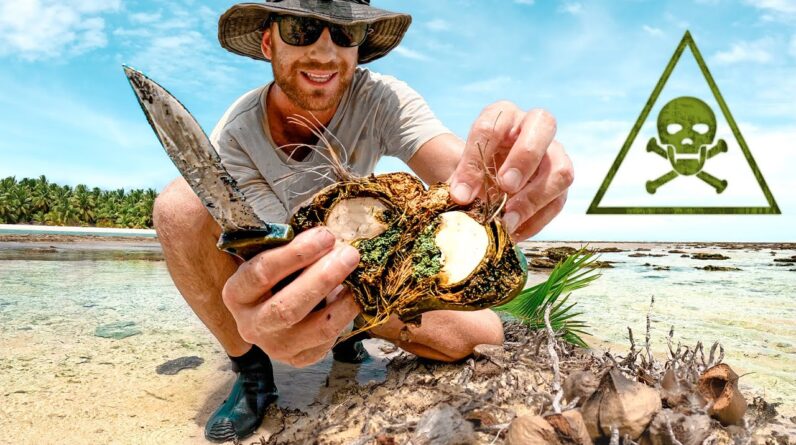
Deep in the swamps and waterways of Louisiana grows one of the most overlooked wild edibles in North America: the American Lotus, or Nelumbo lutea. Known locally as “Cajun Peanuts,” the seed pods of this aquatic plant offer a nutrient-dense food source that has sustained people for generations. In this video, Bruce Mitchell takes you into the marsh to harvest lotus seed pods and brings them back for a traditional boil, demonstrating the entire process from field to table.
Whether you are a seasoned forager or building your survival food knowledge, the American Lotus is a plant worth knowing. It grows abundantly in wetland environments across the eastern and southern United States, requires no cultivation, and provides a reliable source of carbohydrates and protein. This guide covers how to identify the American Lotus, when and where to harvest it, how to extract and prepare the seeds, and what gear you need to forage safely in swamp terrain.
Key Survival Takeaways
- Identification is straightforward: The American Lotus features large round leaves that can reach up to two feet in diameter, often floating on or rising above the water surface. Its distinctive yellow-white flowers bloom from June through September, making summer and early fall the best time to spot and harvest the plant.
- Harvest the seed pods: The seed pods resemble shower heads, with individual seeds nestled in circular depressions. These seeds are the “Cajun Peanuts” that Bruce boils. Look for mature pods that have turned from green to a brownish color, indicating the seeds inside are ready.
- Boiling is the key preparation method: Like traditional boiled peanuts, lotus seeds need to be boiled until tender. This softens the hard outer shell and makes the interior edible. A long, slow boil in salted water yields the best texture and flavor.
- Nutritional value is significant: Lotus seeds are rich in complex carbohydrates, protein, and minerals. In a survival scenario, they can provide sustained energy and are far more calorie-dense than many other wild foraged foods.
- Multiple edible parts: Beyond the seeds, the American Lotus also produces edible tubers (rhizomes) underground and young leaves that can be cooked as greens. The tubers in particular are a valuable starch source in survival situations.
- Harvest in shallow water: Lotus plants thrive in water depths of one to three feet. Wading into shallow marsh areas gives you access to the plants, but proper footwear and awareness of your surroundings are essential for safety.
- Sustainability matters: When foraging, leave some pods behind to allow the plant population to regenerate. Overharvesting in a single area can deplete the resource for future seasons.
Gear & Equipment
Foraging in wetland environments requires specific gear to stay safe and efficient. A sturdy foraging basket or harvest bag keeps your collected pods organized and allows water to drain. A reliable wild edible plant identification guide is essential for confirming the American Lotus and distinguishing it from similar aquatic plants. Since lotus grows in shallow water, a pair of waterproof wading boots will keep your feet dry and protected. A sharp folding foraging knife helps cut through tough stems and pods, while waterproof work gloves protect your hands from sharp marsh vegetation.
As an Amazon Associate, we earn from qualifying purchases.
The American Lotus is proof that some of the best survival foods are hiding in plain sight. Learning to identify, harvest, and prepare this wild edible gives you a reliable food source in wetland environments where other options may be scarce. Add lotus foraging to your survival skill set, and you will never look at a swamp the same way again.