Long before GPS devices, synthetic fabrics, and titanium cookware, frontiersmen, longhunters, and Native American scouts relied on a carefully curated kit of survival items to endure weeks or months in the unforgiving American wilderness. In this video, Jon Townsend of Townsends breaks down the top 10 wilderness survival items from the 18th century, drawing on primary sources and years of hands-on historical reenactment experience to explain exactly what these tools did and why they earned a place in the pack.
What makes this breakdown valuable for modern survivalists is that the underlying principles still apply. Fire, shelter, water, cutting tools, and cordage have never changed in their importance. By examining how 18th-century travelers solved these problems with limited technology, you gain a deeper understanding of what truly matters in a survival kit and which modern equivalents are worth carrying. Whether you are building a bushcraft loadout or simply want to stress-test your current gear against historical precedent, these ten items offer timeless lessons.
The beauty of studying historical survival kits is that they strip away the marketing hype. When you look at what a longhunter actually carried into the wilderness for months at a time, you see a lean, purpose-driven loadout where every item earned its weight. No gimmicks, no redundancies, no gear that only does one thing poorly. That philosophy is exactly what modern preppers and bushcrafters should aspire to when assembling their own kits.
Key Survival Takeaways
- Flint and steel fire starting was the gold standard. A fire steel, a piece of flint, and charred cloth in a tin could reliably start fires in nearly any condition. The technique requires practice but produces sparks hot enough to ignite char cloth, which then transfers to tinder. Modern ferro rods work on the same spark-based principle and are one of the most reliable fire-starting methods available today.
- A cutting tool is non-negotiable. Whether it was a belt knife, a tomahawk, or a trade axe, every 18th-century woodsman carried a primary cutting tool. The knife handled food preparation, cordage making, and fine carving, while the axe processed firewood and built shelters. Modern survival experts still consider a fixed-blade knife the single most important tool in any kit.
- Wool blankets provided versatile shelter and warmth. A wool blanket served as bedding, an improvised cloak, a ground cloth, or part of a lean-to shelter. Wool retains insulating properties even when wet, a critical advantage over cotton or linen. This is why wool remains a top choice for outdoor clothing and bedding among serious bushcrafters.
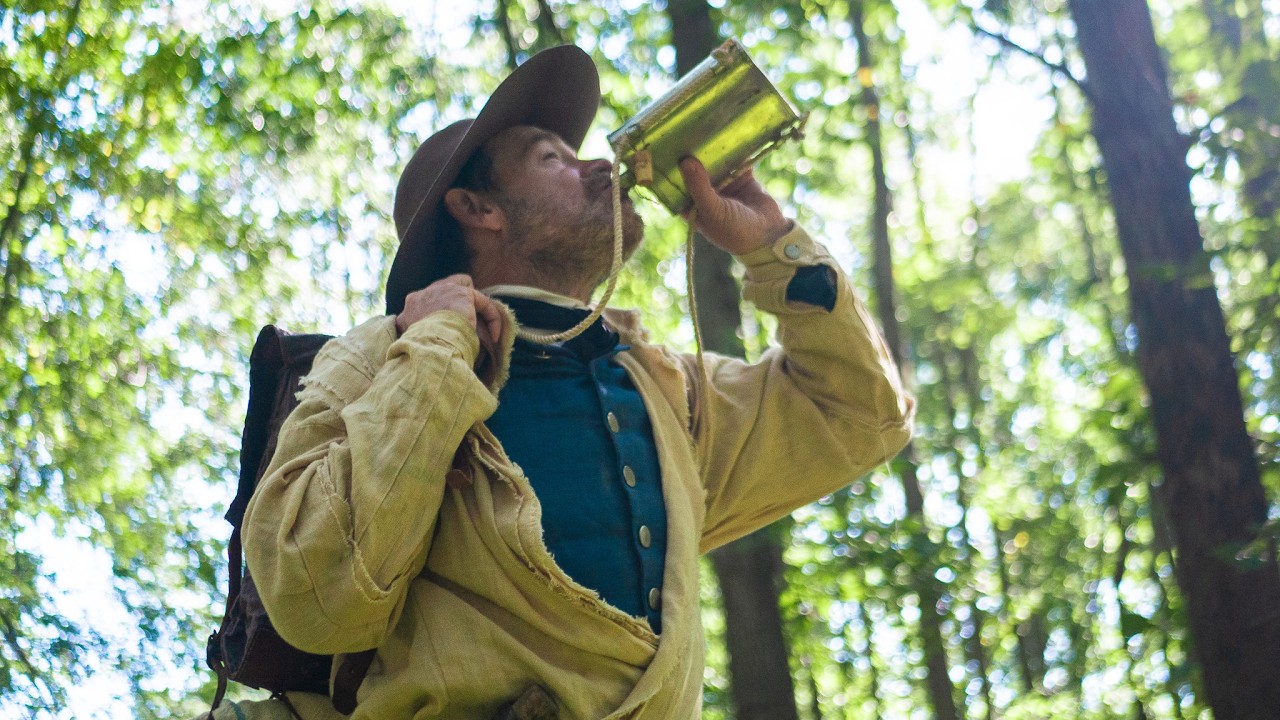
- Metal containers were essential for boiling water. A tin or copper kettle and a metal cup allowed travelers to purify water by boiling, cook meals, and prepare hot drinks. Without a metal vessel, safe water procurement became far more difficult. A stainless steel canteen or kettle remains one of the most important items in any survival kit.
- Cordage had dozens of critical uses. From securing shelter to making traps, repairing gear, and creating a tumpline for carrying loads, cordage was indispensable. Natural fibers like hemp were standard, and every woodsman carried a supply. Modern paracord offers even greater strength and versatility in a compact package.
- A file kept tools sharp and functional. Tool maintenance was a daily task. A small file allowed a traveler to sharpen a dull knife or axe in the field, extending the useful life of critical equipment far from civilization. A dull blade is a dangerous blade, and field sharpening is a skill every survivalist should master.
- Rations and fishing tackle stretched food supplies. Dried meat, pemmican, and hardtack provided calories, while a simple fishing line with hooks offered a renewable food source along rivers and streams. Redundancy in food procurement was a core survival strategy that modern preppers should emulate with multiple food-gathering methods in their kit.
- Aws and needles enabled field repairs. Beyond the major tools, a small sewing kit with an awl and needles allowed frontiersmen to repair clothing, footwear, and leather gear. In extended wilderness travel, the ability to fix torn equipment prevented small problems from becoming life-threatening failures.
- Trade goods served as emergency barter. Items like extra knife blades, tobacco, and small mirrors were carried not just for personal use but as trade goods. In a survival situation, having items to trade with other travelers or indigenous groups could mean the difference between rescue and isolation.
Why Historical Survival Kits Still Matter
The 18th-century woodsman survived with a fraction of the gear modern adventurers carry, yet his kit covered every fundamental need: fire, cutting, shelter, water, cordage, tool maintenance, and food. That is a powerful reminder that survival is about principles, not product count. When you understand why each item was carried, you can make better decisions about what belongs in your own kit.
Modern gear has advantages in weight, durability, and convenience, but the categories of need have not changed. A ferro rod is still just a better flint and steel. A stainless steel canteen is still just a more durable tin cup. Paracord is still just stronger hemp rope. By studying the historical originals, you learn to evaluate modern gear by function rather than novelty, which is the key to building a lean, effective survival kit.
Gear and Equipment
If you want to build a modern survival kit inspired by these 18th-century essentials, here are some top gear picks that serve the same fundamental purposes:
- Ferrocerium Rod Fire Starter – A modern upgrade to flint and steel, ferro rods throw sparks at 3,000 degrees and work in wet conditions. Pair one with quality tinder and you have a reliable fire-starting system that outperforms matches or lighters in harsh weather.
- Full Tang Fixed Blade Survival Knife – Your primary cutting tool. Look for high-carbon steel and a comfortable handle for all-day carving and processing. A full tang construction ensures the blade will not snap under heavy use, which is exactly what 18th-century woodsmen demanded from their belt knives.
- Wool Blanket for Outdoor Camping – Still one of the best shelter and insulation items you can carry. Wool stays warm when wet and works as a ground pad or improvised shelter wall. A quality wool blanket is a direct descendant of the blankets carried by frontiersmen centuries ago.
- Stainless Steel Canteen with Cup – Boil water, cook small meals, and carry your supply all with one durable metal container. This is the modern equivalent of the tin kettle and cup that every 18th-century traveler carried as standard equipment.
- 550 Paracord Survival Rope – Modern cordage that packs down small but holds 550 pounds. Use it for shelter rigging, traps, gear repair, and dozens of other field tasks. It fills the same role that hemp rope did for frontiersmen, but with far greater strength-to-weight ratio.
- Field Knife Sharpening Stone – The modern equivalent of the 18th-century file. A compact sharpening stone or diamond sharpener keeps your blade working at peak performance in the field, because a dull knife is more dangerous than a sharp one.
As an Amazon Associate, we earn from qualifying purchases.
Conclusion
Study the historical essentials, understand why each item earned its place, and you will build a leaner, more effective kit that works whether you are on a weekend campout or facing a real backcountry emergency. The 18th-century woodsman did not have the luxury of choice, so every item in his pack was there because it had proven itself in the field. That is a standard worth applying to your own survival gear today. Start with the fundamentals, cut the excess, and make sure every item in your kit serves a purpose you can articulate. That is the real lesson from 250 years of wilderness survival.