Why Nessmuk’s Lightweight System Still Matters
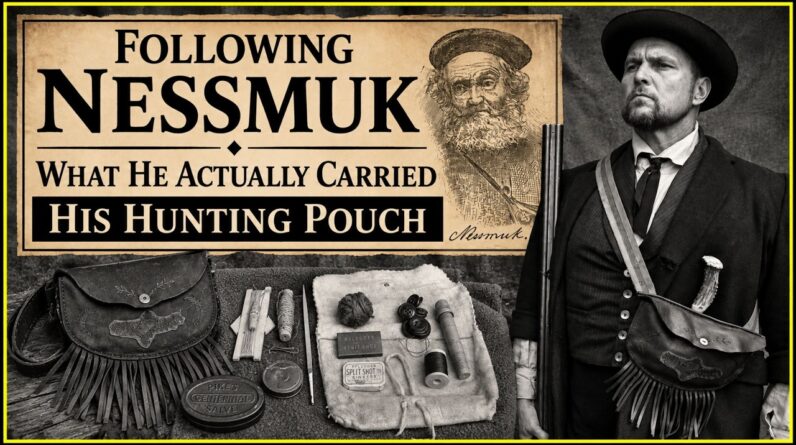
Modern outdoor gear can make a weekend in the woods more comfortable, but a smart kit is not defined by how much it weighs or how many tools it contains. George Washington Sears—better known as Nessmuk—made a strong case for traveling light, carrying only equipment that earns its place through repeated use. The philosophy is especially useful for hikers, bushcrafters, and anyone building a practical emergency kit.
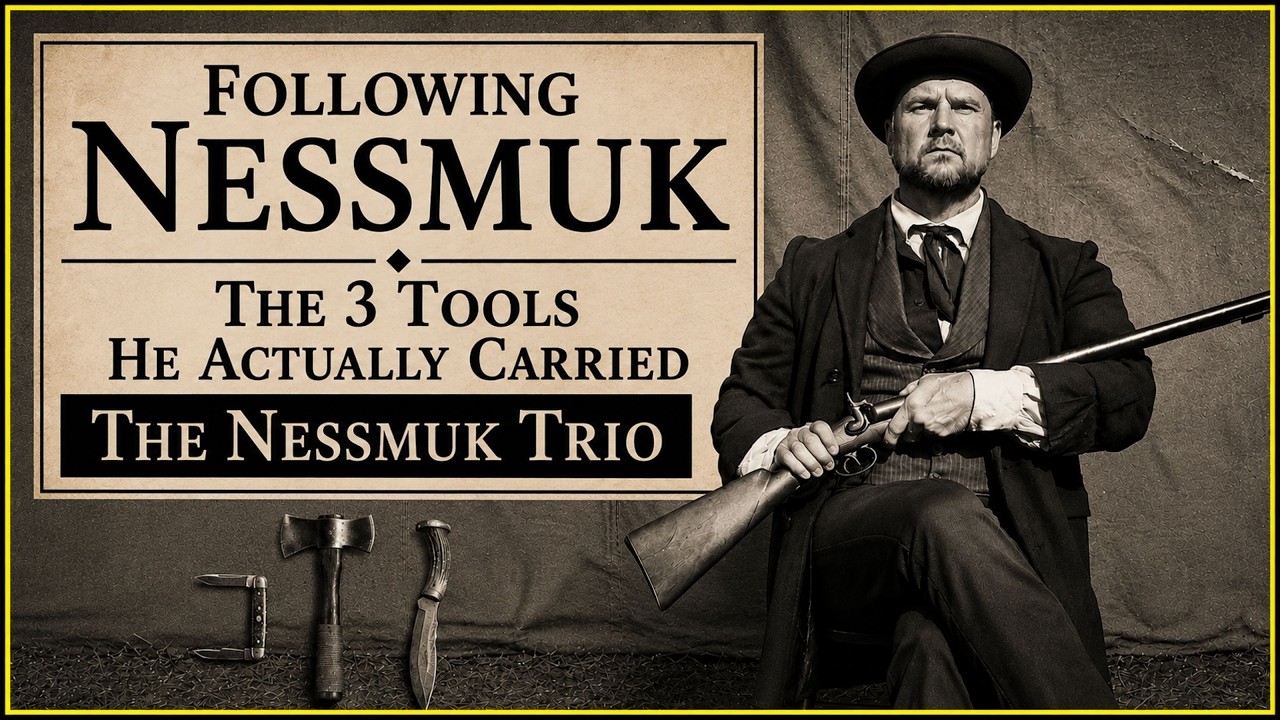
In the video, WayPoint Survival examines the classic three-tool combination associated with Nessmuk’s woodcraft: a compact knife, a small hatchet, and a larger chopping tool. This is not a suggestion to copy a nineteenth-century loadout blindly. Instead, it is a lesson in choosing tools by task, matching size to the work, and avoiding redundant equipment. You will learn how to evaluate a cutting tool system, move safely through camp chores, and adapt traditional ideas to modern outdoor travel.
Key Survival Takeaways
- Choose tools by function. A knife handles fine work such as carving, food preparation, notching, and feather sticks. A hatchet or small axe adds leverage for limbing, splitting manageable fuel, and preparing shelter materials.
- Weight is a resource. Every ounce carried consumes energy. A compact tool that performs several jobs can be more valuable than a collection of specialized items that rarely leave the pack.
- Size should match the environment. Dense hardwood, softwood, wet conditions, and restricted camp spaces all change which tool is safest and most efficient. The largest tool is not automatically the best tool.
- Sharp tools are safer tools. A properly maintained edge requires less force and is easier to control. Inspect the handle, head, sheath, and edge before every trip, and carry a way to touch up the blade.
- Use a stable work position. Cut away from your body, keep bystanders outside the swing zone, and place wood on a solid chopping block rather than on the ground near your legs.
- Skills reduce dependence on gear. The real value of a minimalist kit comes from knowing how to select dry fuel, make simple notches, process small branches, and improvise when a tool or material is unavailable.
Recommended Gear for Your Nessmuk-Style Kit
A modern version of the Nessmuk idea starts with reliable, repairable basics rather than novelty gadgets. These picks align with the three-tool philosophy—each item earns its place through real utility.
A full-tang fixed blade handles carving, food prep, notching, and feather sticks—the cornerstone of any Nessmuk-style kit.
Check Price on Amazon →
A small hatchet adds leverage for limbing, splitting manageable fuel, and preparing shelter materials without weighing you down.
Check Price on Amazon →
Keep every edge razor-sharp in the field. A dual-grit stone is compact, reliable, and essential for tool maintenance on the trail.
Check Price on Amazon →
A quality leather sheath prevents edge damage and makes transport safer—protecting both your gear and your pack.
Check Price on Amazon →
Protect your hands when handling rough wood and sharp tools. Remember: gloves supplement safe technique, never replace it.
Check Price on Amazon →
As an Amazon Associate, we earn from qualifying purchases.
Build the System Around Your Trip
Nessmuk’s enduring lesson is not that every camper needs three cutting tools. It is that equipment should be purposeful, balanced, and backed by practiced skills. Start with the smallest tool that safely handles your common tasks, add weight only when the terrain or project justifies it, and maintain every edge before heading out. A lighter, better-understood kit usually beats a heavier pile of gear.