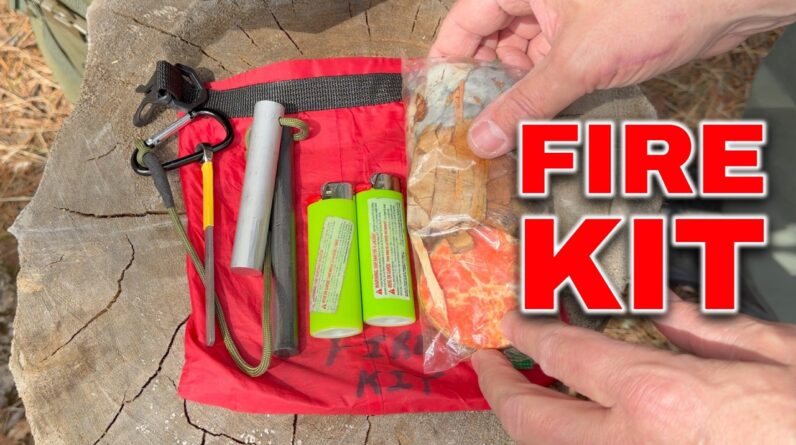
Disasters rarely give families a convenient warning. A severe storm, wildfire, flood, winter outage, or extended disruption can affect water, power, communications, transportation, and access to stores within hours. The strongest response is not a giant pile of gear—it is a simple plan your household can understand and use under stress.
This video from DIY Prepper TV provides a useful starting point for building that plan. The checklist below turns those broad preparedness ideas into practical actions, helping you prioritize the supplies, communication steps, and household habits that make the biggest difference when normal services are interrupted.
Key Family Preparedness Takeaways
- Assess the risks where you live: Focus first on hazards such as hurricanes, tornadoes, wildfire, flooding, earthquakes, extreme heat, or winter storms that are realistic for your area.
- Build supplies in layers: Start with a reliable 72-hour kit, then work toward two weeks or longer as your budget and storage space allow.
- Store water before anything else: Plan for drinking, cooking, hygiene, and sanitation. Include a treatment option and learn how to use it before an emergency.
- Plan for individual needs: Account for prescriptions, mobility limitations, infant supplies, pet food, dietary restrictions, spare glasses, and important documents.
- Create communication and meeting plans: Choose an out-of-area contact, write down key numbers, and identify meeting places if phones or normal routes fail.
- Use redundancy for critical functions: Keep more than one way to receive alerts, create light, prepare food, and contact family members.
- Practice the plan: Test lights, cook without the grid, try the water filter, review evacuation routes, and run a short family drill.
Gear & Equipment
Choose dependable, multipurpose equipment instead of buying novelty items. Having reliable reserves for water, filtration, communication, medical care, power, and cooking ensures your household is ready when normal services fail.
As an Amazon Associate, we earn from qualifying purchases.
Make the Plan Fit Your Household
The best preparedness system is one your family understands and maintains. Start with water, medical needs, communication, lighting, food, and sanitation, then improve one weak area each week. A written plan, a modest reserve, and realistic practice sessions can turn uncertainty into useful options when normal services are unavailable.