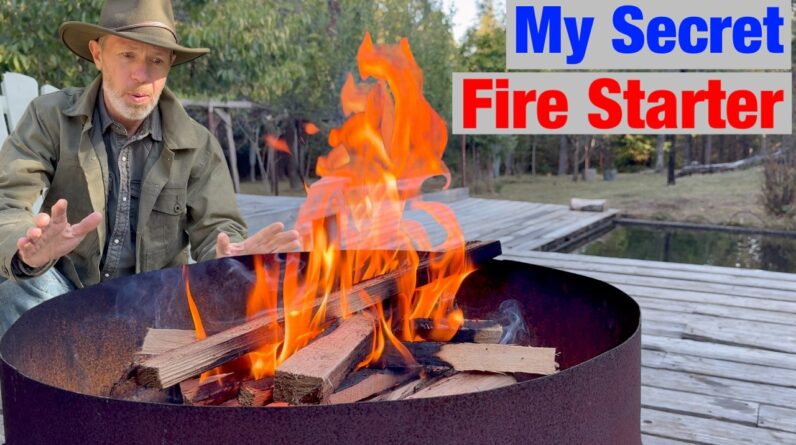
Friction fire starting is widely regarded as the ultimate test of wilderness self-reliance and primitive bushcraft skill. Among friction fire-making tools, the cord drill and pump drill represent brilliant technological leaps over basic hand drills, utilizing mechanical leverage and rotational momentum to generate rapid friction heat with minimal physical exhaustion. In this masterclass from Primitive Technology, these ancient tools are crafted from raw forest materials to convert mechanical work into glowing wood embers.
Understanding the physics behind friction fire is key to achieving consistent ignition results in challenging field conditions. By using cordage wrapped around a wooden spindle, the operator multiplies rotational speed while applying controlled downward pressure into a dry hearthboard notch. Below, we break down the mechanics, wood selection criteria, flywheel inertia, and tinder preparation techniques required to master cord and pump drills for emergency survival.
Key Survival Takeaways
- The cord drill utilizes wrapped cordage and a hand socket bearing block to multiply spindle rotation speed while drastically reducing palm blister friction during long drilling attempts in remote environments.
- Adding a heavy wooden or clay flywheel to a pump drill creates continuous rotational momentum, storing kinetic energy to spin the spindle smoothly on upstrokes without stopping mechanical motion.
- Softwoods like cedar, willow, basswood, and yucca make superior fireboards due to their low ignition temperatures and fine grain dust production under heavy friction forces during drilling.
- Hardwood spindles paired with softwood hearthboards produce optimal friction heat without chewing through the spindle tip prematurely during extended friction drilling sessions.
- Carving a clean V-shaped hearthboard notch is essential for collecting superheated wood dust and funneling concentrated thermal heat into a single glowing coal ember.
- Preparing a dry, fibrous tinder bundle before spinning the drill ensures immediate transfer of the fragile glowing coal into a roaring open campfire flame for warmth and cooking.
Cord Drill vs. Pump Drill Mechanics and Physics
The cord drill operates by wrapping a strong cord or leather strap around a straight vertical spindle. Two operators, or a single operator using a hand-held socket bearing block, pull the cord back and forth, driving the spindle at high revolutions per minute. The top bearing block concentrates downward force into the hearthboard while protecting the operator’s hand, minimizing friction energy lost at the top joint.
The pump drill advances this mechanical design by attaching a horizontal crossbar with cordage connected to the spindle apex. Pushing down on the crossbar unwinds the cord, rapidly spinning the spindle. A heavy flywheel attached to the lower spindle acts as a mechanical energy accumulator, rewinding the cord in the opposite direction on the upstroke and enabling continuous reciprocal rotation with minimal physical exertion.
Practicing smooth pumping strokes prevents jerkiness, allowing the flywheel weight to maintain constant velocity and continuous thermal buildup in the fireboard notch without binding the spindle shaft.
Wood Selection for Spindles, Fireboards, and Flywheels
Selecting compatible wood species determines whether friction fire attempts yield hot glowing embers or useless smoke. The fireboard must consist of dry, non-resinous softwood that yields fine, dark dust under friction. Species like white cedar, basswood, poplar, and willow provide excellent hearth material that ignites at lower temperature thresholds.
For the spindle, choose straight, fine-grained wood that is slightly harder than the hearthboard to prevent the spindle tip from wearing flat before generating sufficient heat. The flywheel requires balanced weight distribution; carved hardwood disks or molded clay donuts work exceptionally well. Ensuring the flywheel is perfectly centered prevents spindle wobble, preserving downward energy transfer into the hearth notch.
Inspecting timber dryness before carving is critical; damp wood absorbs friction energy without charring, causing failure even with perfect mechanical drilling technique.
Tinder Bundle Preparation and Ember Transfer
Generating a glowing wood ember is only half the battle; transferring that fragile coal into an open flame requires a meticulously prepared tinder bundle. Natural materials such as shredded cedar bark, dried horsehair fungus, fine dry grasses, and cattail fluff should be rolled into a tight bird-nest shape with a fine inner core.
Once wood dust collects in the hearthboard notch and begins to smoke heavily, continue drilling for several additional strokes to consolidate thermal energy. Gently tap the hearthboard to drop the glowing ember onto a dry leaf beneath the notch. Transfer the ember into the tinder bundle, fold the fine fibers gently over the coal, and blow with steady, warm breaths until full ignition occurs.
Keeping your back to the wind while blowing the ember protects the developing flame from sudden air gusts that could blow fragile coals away before kindling catches.
Gear & Equipment
- Bushcraft Fixed Blade Knife
- Paracord 550 Survival Cord
- Ferrocerium Rod Fire Starter
- Tinder Quik Fire Tabs
As an Amazon Associate, we earn from qualifying purchases.
Conclusion
Mastering the cord drill and pump drill grants a survivalist incredible energy efficiency when producing fire in primitive conditions. By understanding mechanical advantage, flywheel inertia, and proper wood pairing, you elevate wilderness fire starting from a struggle of physical endurance into a dependable, repeatable scientific process that serves you in any wilderness emergency.