Field Article // Gear Reviews
How to Build a Bug-Out Bag That Actually Works
Most bug-out bags are too heavy to carry, packed in the wrong order, and missing the one item that matters. Here is the layout and the wear test that fixes it.
Key takeaways // 30-second read
- Cap total weight at roughly 20 percent of body weight — 20 to 25 pounds for most adults — and carry water treatment rather than a gallon of water.
- Pack in three layers: belt-line essentials, the reach-for-first layer, and the main compartment with heavy items high and against your back.
- Bleeding control, real insulation, two ignition methods, prescriptions, offline maps and foot care are the items most bags miss.
- Wear-test the bag five miles before you trust it, then remove everything you never touched.
- Store the bag by the exit you would actually use, and re-check medication, food, batteries and clothing every season.
Weight is the whole design constraint
A bag you cannot carry for five miles is not a bug-out bag, it is storage. Target 20 to 25 pounds for an adult at 160 pounds, and keep total weight under roughly 20 percent of body weight. Every item earns its place by passing one question: what does this do that nothing else in the bag does?
Two things usually blow the budget: water and food. Carry two litres on the body, then treat water from the environment rather than hauling a gallon. Carry one day of ready-to-eat food plus three days of dry food you can cook.
Pack in three layers
- Layer one — on your belt or in your pockets. Knife, light, lighter, and a way to signal. These never come off, even if the bag does.
- Layer two — top and side pockets. Water filter, first aid, headlamp, spare batteries, food you might eat on the move, and rain shell. This layer is what you reach for first.
- Layer three — the main compartment. Shelter, sleep system, dry clothes, cook kit and food. Heaviest items high and against your back so the load rides on your hips, not your shoulders.
The twelve items most bags get wrong
- Water treatment, not water bottles. A compact 0.1 micron filter weighs less than a litre of water.
- Bleeding control. A tourniquet and haemostatic gauze, not just band-aids.
- Real insulation. A sleeping bag rated for your actual climate, not a mylar blanket as the primary system.
- Two ignition methods. A ferro rod for reliability plus a lighter for speed.
- Prescription medication with a written list of what and why.
- Cash in small bills plus a photocopy of ID documents in a zip bag.
- Offline maps and a compass, because your phone's map needs a network you will not have.
- Foot care. Spare socks, blister treatment and tape. Feet end evacuations.
- Hygiene basics. A small amount of soap, toothbrush, and a way to manage waste.
- Hearing and eye protection for the one scenario nobody plans for: a broken window and a lot of noise.
- Siphon or gravity filter capability for filling containers from a source, not just drinking on the move.
- A written plan. Routes, rally points, and who calls whom, laminated and in the lid.
The wear test
Before you trust the bag, wear it. Put on everything you intend to carry, with the clothing you intend to wear, and walk five miles on mixed ground. Note where it rubs, what you reach for, what you never touched, and how much water you drank. Then unpack, remove the items you did not need, and repack in the order above. Two iterations of this test will do more for your readiness than a year of buying gear.
Store it where it works
A bag that lives in the attic is a bag you will not reach. Keep it near the exit you would actually use, in a dry place, off the floor, with footwear and a jacket beside it. Check it every season: replace expired medication, rotate food, test batteries and lights, and re-check that the clothes still fit the people they are packed for.
Gear & Equipment // Tested
The gear we actually run
Bought at retail and used in the same drills described above. Links are affiliate links — they cost you nothing extra and keep this site independent.
As an Amazon Associate we earn from qualifying purchases.


Amazon pick · Bags
45L Bug-Out Backpack (MOLLE, Hydration Ready)
The size that carries 72 hours of kit without encouraging you to pack a month. Good hip belt and a stiff frame sheet matter more than pockets.
Street price: $60–$140
Check price on Amazon
Amazon pick · Water
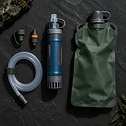
Sawyer Squeeze Water Filter
The default for any bag: 0.1 micron hollow-fibre filtration, backflushes with the included syringe, and filters up to 100,000 gallons. Squeeze, gravity-feed or inline.
Street price: $35–$45
Check price on Amazon
Amazon pick · Fire
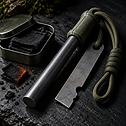
Ferro Rod Fire Starter + Striker
5,000+ strikes at 3,000°F, works soaking wet, and needs no fuel. A thick 1/2-inch rod is easier on cold hands than the thin ones.
Street price: $12–$25
Check price on Amazon
Amazon pick · Light
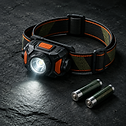
Rechargeable 400-Lumen Headlamp
Hands-free light for shelter, first aid and blackout cooking. Get one that takes both USB-C and AAA so you are never stranded without power.
Street price: $25–$50
Check price on AmazonFAQ // Read before you buy
Frequently asked questions
Newsletter // article
Get the next breakdown
New video articles, gear notes from testing and tool updates — one email a week.
No spam. Unsubscribe any time. We never sell subscriber data.
Keep going // 1 more
Related reading

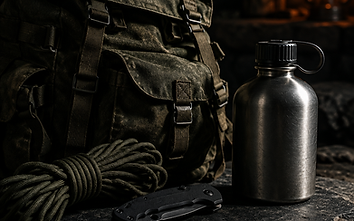
Survival Knife Steel Explained: Choosing a Blade That Holds an Edge
Steel type matters far less than geometry, and geometry matters less than knowing how to sharpen. Here is what actually holds an edge in the field.