When Disaster Strikes, Will You Be Ready?
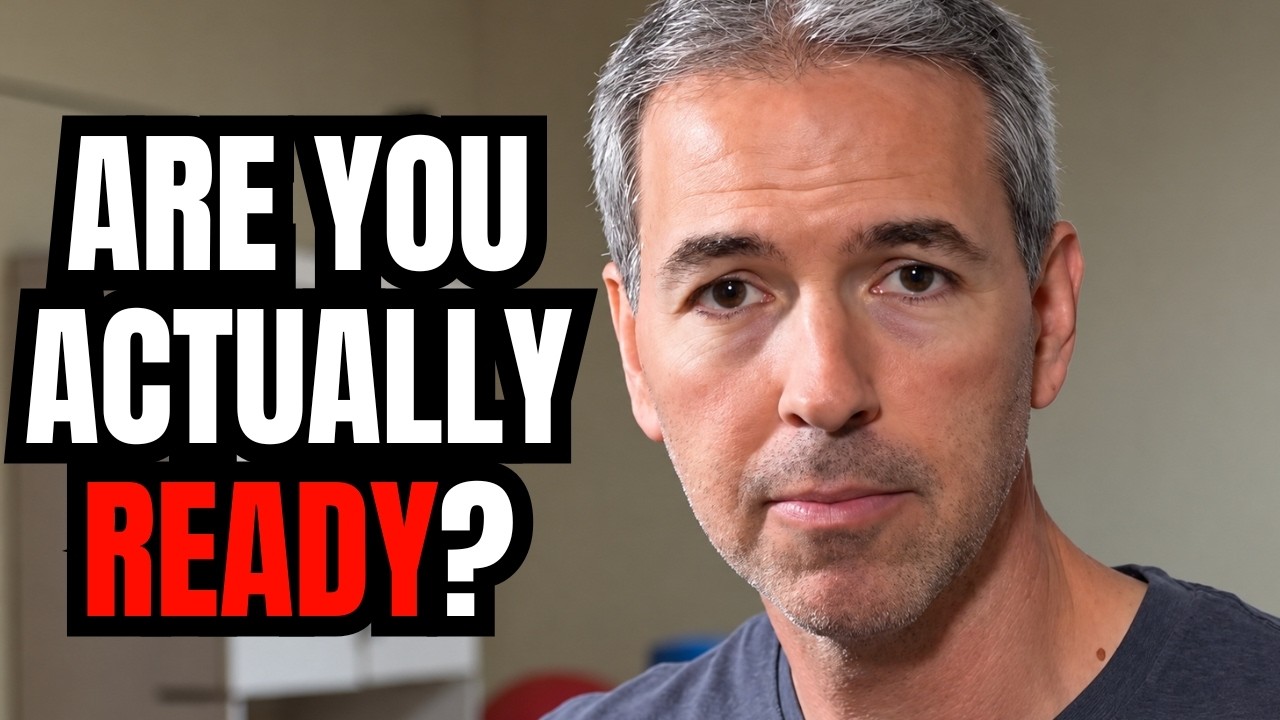
When disaster hits, you do not get time to figure out what you forgot. That is the hard truth former CIA officer Jason Hanson drives home in this breakdown of the five survival items he refuses to be caught without. Drawing on years of intelligence and survival training, Hanson walks through the gear he personally relies on and explains why keeping backups for critical tools is non-negotiable when everything goes wrong.
What makes Hanson’s approach valuable is that it comes from real-world experience, not theory. He has lived through scenarios where the right tool meant the difference between control and chaos. His philosophy is simple: identify the handful of items you genuinely cannot improvise, carry backups for each one, and know how to use them under pressure. That mindset strips away the noise of endless gear lists and focuses your energy on what actually matters.
In this video, you will learn which five items make the cut, why each one earned its place, and how to think about redundancy in your preparedness plan. Whether you are building your first emergency kit or tightening up an existing setup, Hanson delivers practical, field-tested advice that could make the difference between scrambling and surviving when minutes count.
Key Survival Takeaways
- Prioritize the essentials you cannot improvise: Focus on items that cannot be easily fabricated or substituted in an emergency. A reliable knife, for example, is nearly impossible to recreate from scratch under stress. If you can only carry a few things, make sure they are things you absolutely cannot make yourself.
- Always carry backups for critical gear: If a tool is something you depend on to survive, you should have a redundant option. A backup knife, a backup fire starter, and a backup light source all belong in your kit. Redundancy is not paranoia, it is insurance.
- Quality over quantity in your kit: Hanson emphasizes choosing a few well-made items over stuffing a bag with cheap alternatives. A durable, well-designed tool will perform when you need it most, while bargain gear tends to fail at the worst possible moment.
- Know your gear before disaster hits: Owning survival equipment is not enough. You need to practice with each item under pressure so that deployment becomes second nature. Fumbling with a fire starter in a downpour is not the time to learn how it works.
- Think through likely scenarios: Prepare for the disasters most likely to affect your area rather than chasing hypothetical worst-case events. If you live in a flood zone, water filtration matters more than a tactical pen. Tailoring your five items to realistic threats increases their usefulness.
- Keep your kit accessible: Gear buried in a closet or scattered across rooms is useless in a fast-moving emergency. Your critical items should be organized and grab-ready at a moment’s notice. A dedicated go-bag kept near your exit point is ideal.
- Maintain and rotate your supplies: Check your kit regularly, replace expired items, and make sure batteries, fire starters, and other perishables are still functional when you need them. A kit you built three years ago and never touched is not a plan, it is a gamble.
Essential Gear for Your Disaster Kit
If you are ready to build or upgrade your own disaster preparedness kit, here are the essential items worth considering. Each one maps directly to Hanson’s recommendations and covers a category you cannot afford to neglect.
- Cutting tool: Start with a dependable fixed blade survival knife. It is one of the most versatile tools you can carry, useful for everything from building shelter to processing firewood to first aid.
- Fire starter: Pair it with a reliable ferrocerium rod fire starter so you can ignite fires in wet or windy conditions without relying on matches or lighters that fail when damp.
- Light source: A high-quality waterproof tactical flashlight ensures you can navigate and signal in the dark. Keep spare batteries in the same kit so you never get caught short.
- Water purification: For water security, keep a compact portable water filter that removes bacteria and parasites from any freshwater source. Clean water is non-negotiable in any survival scenario.
- Carry system: A durable tactical backpack keeps everything organized and ready to grab at a moment’s notice. Look for water resistance, reinforced stitching, and MOLLE compatibility for expandability.
As an Amazon Associate, we earn from qualifying purchases.
Final Thoughts
The message from Jason Hanson is simple but powerful: preparation is not about paranoia, it is about responsibility. Having five essential items ready, backed up, and accessible can transform a chaotic emergency into a manageable situation. Take inventory of your own kit today, identify your gaps, and start closing them before the unexpected arrives at your door.
Start with the five categories Hanson outlines, choose quality gear for each one, and commit to practicing with it regularly. The best survival kit is the one you have built thoughtfully, maintained diligently, and can deploy without thinking when every second counts.