Introduction
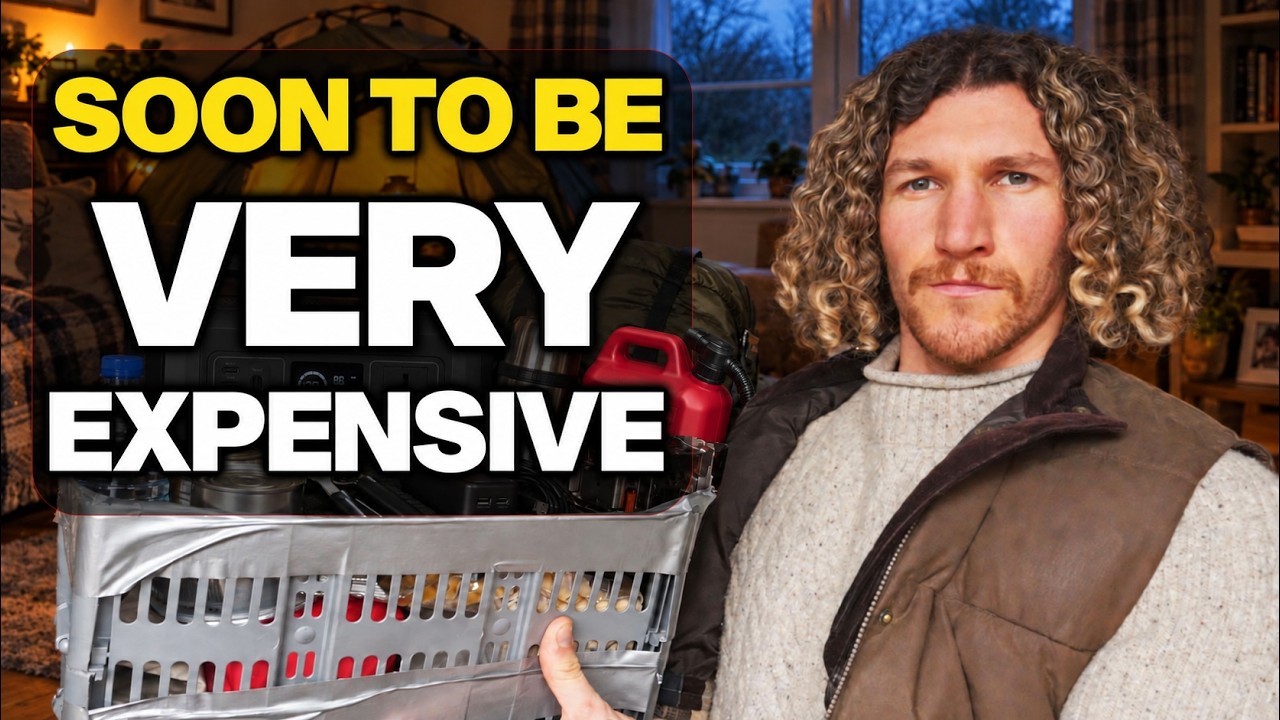
When the lights go out and the grid fails, the difference between panic and preparation comes down to what you already have on hand. In this video, survival expert Charlie Survival breaks down ten critical items every household should stockpile before a grid-down event, drawing from real-world UK blackout scenarios, escalating global tensions, and the growing frequency of severe storms and power disruptions. He cuts through the noise of doomsday prepping to focus on practical, actionable steps anyone can take regardless of budget or experience level.
You will learn exactly which supplies to prioritize, why each item matters, and how to build a readiness kit that covers your power, water, food, and communication needs without spending a fortune. Whether you are an experienced prepper with years of supplies or someone just starting to think about emergency preparedness, these ten essentials form the backbone of any serious survival plan that can keep your family safe, fed, and connected when the systems we rely on every day suddenly stop working.
Key Survival Takeaways
- Portable power storage is non-negotiable: A reliable power station keeps phones charged, lights on, and critical medical devices running during extended outages. Look for units with at least 500Wh capacity and multiple output ports, and test them every few months to ensure they hold a charge when you need them most.
- Water reserves beat water filters in the short term: Store a minimum of one gallon per person per day for at least three days. Collapsible water containers save precious storage space and are easy to rotate every few months to keep your supply fresh and safe to drink.
- Long-shelf food requires rotation discipline: Canned goods, dried grains, pasta, and freeze-dried meals form the backbone of emergency food storage. Track expiration dates on a simple spreadsheet and rotate your stock every six months to avoid spoilage and waste.
- LED lighting eliminates fire risk: Battery-powered LED lanterns and headlamps are far safer than candles and provide dozens of hours of reliable light on a single set of batteries. Keep at least one dedicated light source in every room of your home.
- Emergency radios keep you informed: A hand-crank or solar-powered emergency radio ensures you receive critical updates and weather alerts even when the grid is down and your phone batteries have died. Look for models that receive AM, FM, and NOAA weather bands for maximum coverage.
- First aid supplies fill the gap during crises: Medical services may be stretched thin or physically unreachable during a widespread emergency. A comprehensive first aid kit with trauma supplies, including bandages, antiseptics, and basic prescription medications, is essential for keeping your family safe.
- Cash works when cards do not: Keep small bills on hand in a secure location. Electronic payment systems and ATMs can fail during power outages, leaving card-only households unable to buy essential supplies from local stores that remain open.
Understanding the October 2026 Deadline
The October 25th, 2026 date referenced in the video stems from a combination of UK government preparedness guidance and growing concerns about geopolitical instability. The UK government has increasingly encouraged citizens to maintain emergency supplies, and events like ransomware attacks on critical infrastructure have demonstrated how quickly essential services can be disrupted when we least expect it.
While the specific date serves as a useful reminder rather than a hard prediction, history shows that crises rarely arrive on a predictable schedule. The 2021 Texas ice storm, widespread Canadian wildfire smoke events, and repeated hurricane-driven grid failures all caught unprepared households off guard. What each event proved is that the people who already had emergency supplies, backup power, and stored food weathered the disruption far better than those who rushed to stores after the fact, only to find empty shelves and long lines.
Build your kit in layers. Start with water and light, add food and power, then round out with communication and medical supplies. Each layer adds resilience and reduces the number of things that can go wrong simultaneously during a real emergency.
Gear and Equipment
Building your grid-down kit starts with the right equipment. A portable power station gives you reliable electricity for phones, lights, and medical devices when the grid fails. For clean drinking water, a water filtration system ensures you can purify water from any source if your stored supply runs low. Light up your home safely with LED emergency lanterns that run for hours without fire risk. Stay informed during emergencies with a hand crank emergency radio that works even when batteries die. Finally, a well-stocked comprehensive first aid kit ensures you can treat injuries when professional medical help is delayed or unavailable.
As an Amazon Associate, we earn from qualifying purchases.
Conclusion
Preparedness is not about fear, it is about confidence. By securing these ten essential items ahead of any crisis, you gain the peace of mind that comes from knowing your family can weather a power outage, supply chain disruption, or natural disaster without scrambling at the last minute. Start with the basics, build your kit methodically, and review your supplies regularly to ensure everything stays current and functional. Remember that prepping is a marathon, not a sprint. You do not need to buy everything at once. Prioritize the items that address your most immediate risks first, and gradually expand your supplies over time. The best time to prepare was yesterday, and the second best time is today.