



Surviving sub-zero winter temperatures, freezing precipitation, or severe wilderness storms demands a shelter specifically engineered for maximum thermal retention, structural stability, and windproofing. Relying on simple lean-tos, open bowers, or temporary tarps is entirely insufficient during prolonged freezing weather conditions. Building a complete, genuinely warm survival shelter requires leveraging earth insulation, trapping dead air space, and installing efficient radiant heating systems.
In this expert compilation of top primitive building techniques, we examine key methodologies for constructing warm subterranean houses, jungle survival shelters, and thermal earth huts. Understanding how to prevent conductive body heat loss, harness fire reflection, and seal outer walls against biting wind drafts can mean the difference between life and hypothermia during critical emergency wilderness scenarios.
Key Survival Takeaways
- Earth-sheltered walls provide exceptional thermal insulation by harnessing the stable, moderate ambient temperature of surrounding subterranean soil beds during freezing winter storms.
- Keeping internal shelter volume compact minimizes open air space, allowing body warmth and small hearth fires to heat the living chamber quickly and efficiently.
- Debris roofs require thick layers of dry leaves, organic soil, tree bark, and pine boughs to create dead-air pockets that trap interior thermal heat inside the cabin.
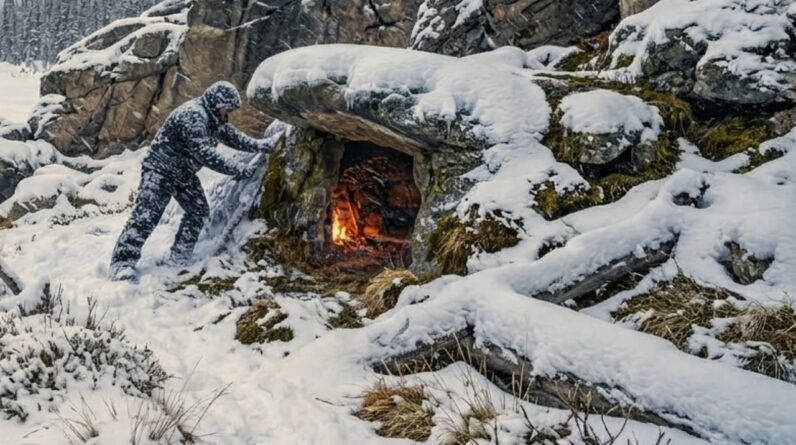
- Installing a curved stone or log heat reflector wall directly behind an open fire directs radiant infrared heat straight into the shelter living area entrance.
- Elevating sleeping platforms off cold ground and packing bed frames with dry foliage isolates occupants from conductive ground heat loss throughout long cold nights.
- Proper shelter ventilation design prevents dangerous carbon monoxide accumulation while preserving essential internal room warmth, occupant safety, and indoor air quality.
- Plastering outer shelter walls with thick clay-mud mortar seals micro draft gaps, preventing howling winter winds from stripping internal ambient warmth away.
Thermal Dynamics and Earth-Sheltered Design Principles
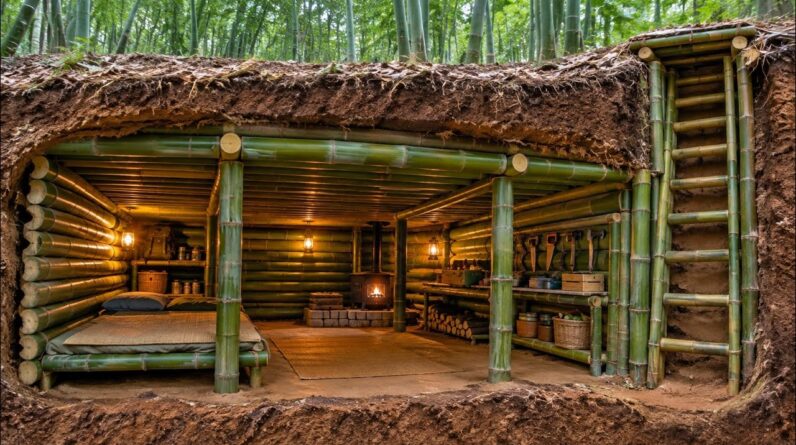
The fundamental engineering goal of a cold-weather survival shelter is minimizing heat loss caused by conduction, convection, and radiation. Semi-subterranean and earth-sheltered structures excel at thermal insulation because compacted soil has high thermal mass. Excavating two to three feet into the earth places the shelter floor below the frost line in temperate zones, establishing a baseline ambient floor temperature well above freezing surface air.
Framing the shelter roof with heavy ridge poles, support rafters, and cross-lathes creates a sturdy foundation for insulation. Covering the wood frame with a multi-layered roof—consisting of dry leaves, evergreen boughs, tree bark, and damp topsoil—traps millions of micro-air pockets. This dead-air insulation layer prevents warm indoor air from escaping while blocking biting winter winds from penetrating the shelter envelope.
Constructing Internal Fireplaces and Radiant Heating Walls
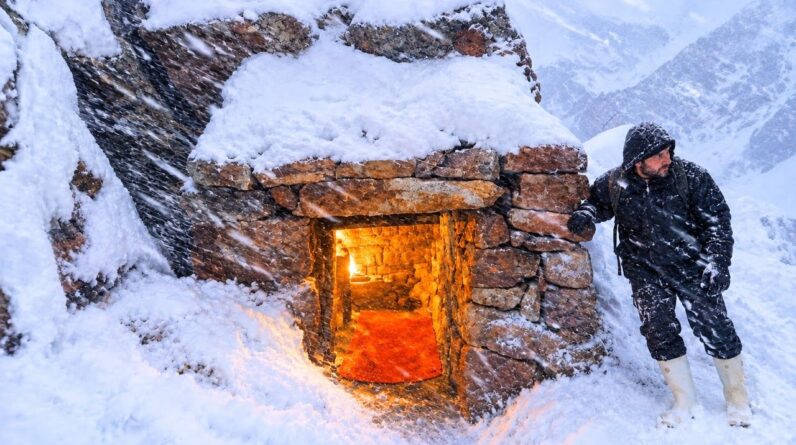
Heating a wilderness shelter safely requires precise fireplace construction and thermal reflection management. A raised stone hearth situated opposite the sleeping quarters generates consistent radiant heat. Erecting a curved reflector wall made of green logs or stacked flat stones directly behind the fire directs heat waves straight into the shelter living area rather than allowing warmth to dissipate into the open air.
For semi-underground shelters, constructing a underground stone flue that channels hot smoke and combustion gases along the floor slab before exiting an external chimney creates a radiant floor heating system inspired by traditional Korean ondol engineering. The surrounding stone and clay floor absorbs thermal energy during the fire’s burn, continuously radiating warmth beneath sleeping mats long after flames die down.
Raised Bed Insulation, Moisture Control, and Draft Proofing
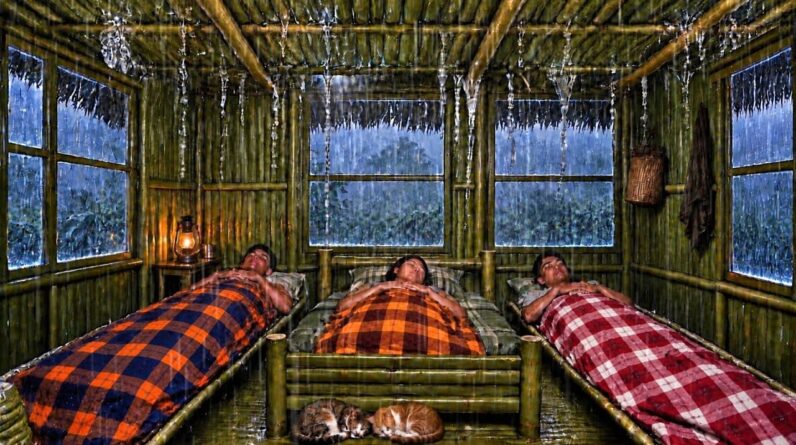
Direct contact with cold, uninsulated ground rapidly drains core body heat through conduction. Creating an insulated raised bed is just as critical as constructing shelter walls. Building a log bed frame six to twelve inches above the floor slab and filling it densely with dry leaf litter, pine boughs, or dried grass forms a thick insulating mattress that traps warm body heat.
Moisture control and draft sealing complete the thermal envelope. Mud-plastering external timber joints with a mixture of wet clay, sand, and dried grass seals micro-gaps against wind currents. Additionally, digging perimeter drip trenches around outer shelter eaves channels rain runoff away, ensuring that internal living spaces and bedding remain completely dry during severe storms.
Emergency Firewood Management and Heat Optimization
A warm shelter requires a constant supply of fuel during winter cold snaps. Stacking dry hardwood—such as oak, hickory, or maple—inside an alcove near the hearth keeps timber warm and dry for rapid burning. Softwoods like pine or fir can be used for quick kindling, but dense hardwoods produce long-lasting coal beds that sustain steady radiant heat throughout the night.
Gear & Equipment
- Emergency Thermal Bivy Sleeping Bag – Reflects core body heat while providing windproof and waterproof emergency survival protection.
- Heavy Duty Bushcraft Canvas Tarp – Durable weather barrier engineered for rapid shelter deployment, rain shielding, and gear protection.
- Ferro Rod Fire Starter – Reliable ferrocerium spark rod for igniting shelter fires in wet, windy, or sub-zero environments.
- Camping Bushcraft Hatchet – Essential chopping tool for processing firewood, cutting shelter ridge poles, and clearing campsites.
As an Amazon Associate, we earn from qualifying purchases.
Conclusion
Mastering cold-weather shelter construction and thermal preservation guarantees wilderness survival in extreme climates. Prioritizing ground bed insulation, earth-sheltered walls, sealed draft barriers, and radiant heat reflectors ensures continuous indoor warmth, physical safety, rapid physical recovery, and complete environmental protection when enduring severe winter conditions in remote off-grid locations and harsh climate conditions.
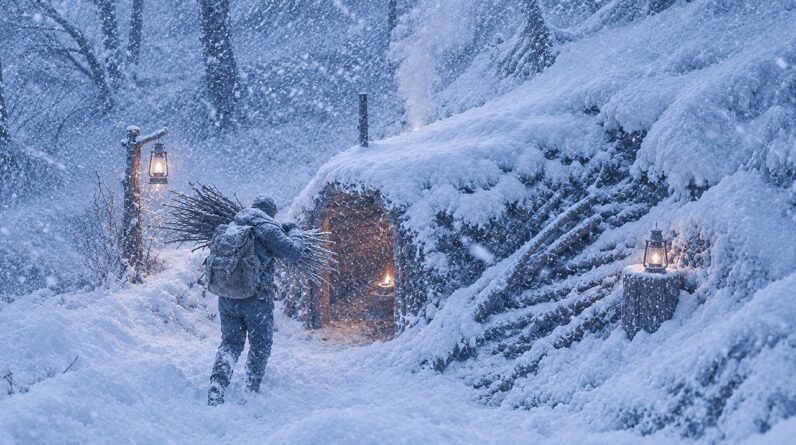
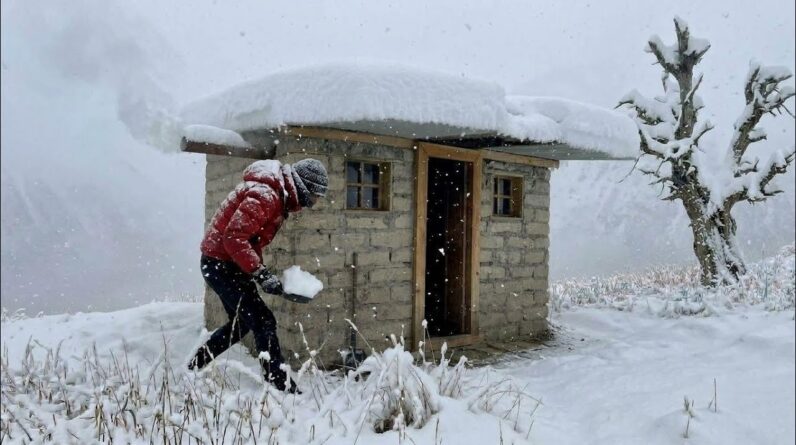

55555
😊wow🎉🎉😘
1:15:21 what a beautiful sunset!😍
👏👏👏
Xem phim người mẹ cứ nói tiếng Anh thế nhỉ😂😂😂❤❤❤❤🎉🎉🎉😊
Forgot Doris forgot điều tiếp
Yer6rteyeyeyeeyeyeyeueuieiie9|oowe0
😮😮😮😂😂😂😂😂😂❤❤❤❤
ye
amo esses videos
Maybe you should be an engineer worker 👷
Good
Ywo pwiri fiwijd iwig iwiu ohe
💖Amazing man
Imagine you walk a jungle and you see this 👌👌🤌🤌
tá
I love That video🎥🎥🎥🎥🎥🎥📹📹📹📹📹📹📹📹📼📼📼📼📼📼📼📼
omg
I think these are pretty cool to watch but the truth about how many people and heavy equipment used would be nice. You should have everyone on camera.
you are amzing
Why both people are so talented and expert?
👍👍👍👍
nich😮🥰🥰🥰
aloooooo
❤😂🎉😢😅😢😊
Flghd8
Gsg9ga
Если бы я знал что такое будет вообще возможно то я бы умер
👏👏👏👏👏👏👋👋👋👋💪💪💪💪😶😶😶😵😵😮😮😮😮😮😮😮😮😮👍👍👍👍👍👍👍👍👌👌👌👌👌🐉🐉🐉🐉🐉🐉🦇🦇🦇🦇🦇🦇🦇🦇
video hay quá anh ơi ❤ nice video good video build ❤❤ thật tuyệt vời ❤ cám ơn anh đac chia sẻ video rất hay đến mọi người ❤ video xây dựng rất công phu và tốn thời gian không phải ai củng làm được ❤❤ cám ơn anh đã chia sẻ video ❤❤ i really like and watching your video si much ❤ thank you for sharing video building Amazing
😮hehdhdjd
Que mentira nem tem negócio saindo da árvore e outra eles põe tocha e acorda com garrafa me poupe
keren
NÃO VOU DA LIKE É SISCV NO CANAL
BUUUUU
سوااااا
🐱👍🐈👉🏖🏕👍🎃🎁