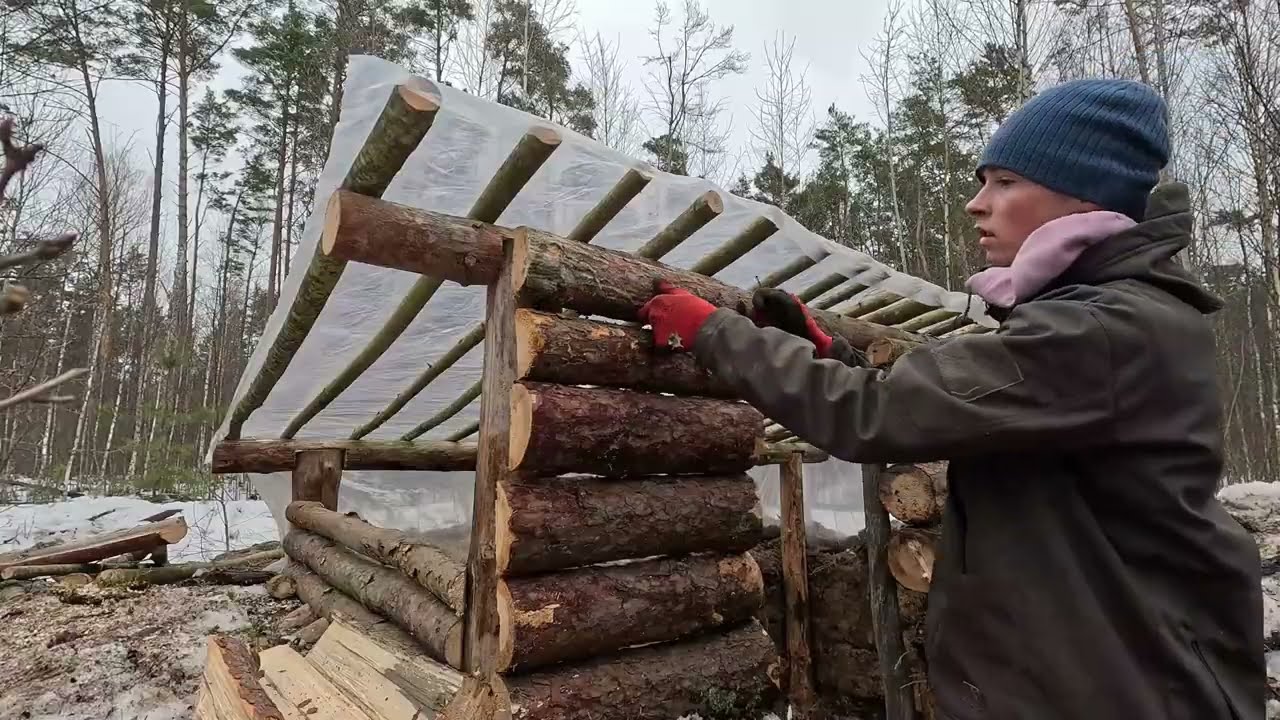
Building a shelter in deep snow is one of the most challenging survival skills you can master. In this video, the Wild Hut channel documents a complete winter bushcraft shelter build from start to finish — excavating into a snowy hillside, framing walls with logs, and securing a roof that can withstand winter weather. It’s a masterclass in how to create a durable, insulated shelter when the temperature drops and the stakes are high.
What sets this build apart is the subterranean approach. By digging into a hillside and using the natural terrain for insulation, the builder creates a shelter that stays warmer and blocks wind far better than a surface-level structure. The techniques shown here — log framing, metal sheet roofing, and snow insulation — are directly applicable to real winter survival scenarios where exposure can become fatal within hours.
Key Survival Takeaways
- Subterranean Design Wins in Winter: Digging into a hillside provides natural insulation and wind protection. The earth and snow surrounding the shelter trap body heat far more effectively than an above-ground structure.
- Log Framing Fundamentals: The builder uses logs to frame the walls and support the roof. Understanding how to select, cut, and lash logs is a core bushcraft skill that translates to any shelter-building scenario.
- Roofing with Available Materials: Metal sheeting is used for the roof, but the principles apply to bark, branches, or any waterproof material. The key is creating a pitch that sheds snow and water away from the interior.
- Snow as Insulation, Not Just Obstacle: Snow is an excellent insulator when used correctly. Piling snow around the shelter walls adds a thermal layer that keeps the interior surprisingly warm even in harsh conditions.
- Ground Excavation Technique: Digging into frozen ground is exhausting but worthwhile. A dug shelter is warmer and more protected than one built on the surface. Invest the energy — it pays off in comfort and safety.
- Fire Management in Enclosed Spaces: A shelter like this needs careful fire management. Ventilation is critical when combining a small enclosed space with any heat source. Always ensure a smoke exit path.
- Long-Term Camp Thinking: This isn’t a quick overnight debris hut — it’s designed for extended use. When planning for longer survival situations, investing time in a more permanent structure is worth the effort.
Gear and Equipment for Winter Shelter Building
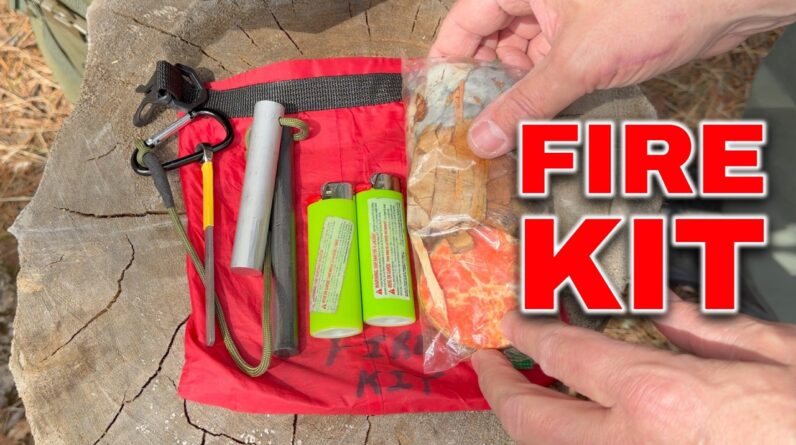
Winter bushcraft requires specific gear. A quality bushcraft axe is essential for processing logs and framing — it’s the most important tool for shelter construction. A folding saw complements the axe for precise cuts. For insulation, a winter sleeping bag rated for sub-zero temperatures is non-negotiable. Paracord for lashing and securing structures should always be in your kit. And don’t forget a reliable fire starter — ferro rods work in any condition, unlike lighters that fail in extreme cold.
The skills shown in this video are the difference between surviving and thriving in winter conditions. When you know how to build a shelter that holds heat, shed water, and protect yourself from wind and snow, you have the foundation for cold-weather survival. Practice these techniques before you need them — building a winter shelter is not the time to learn.