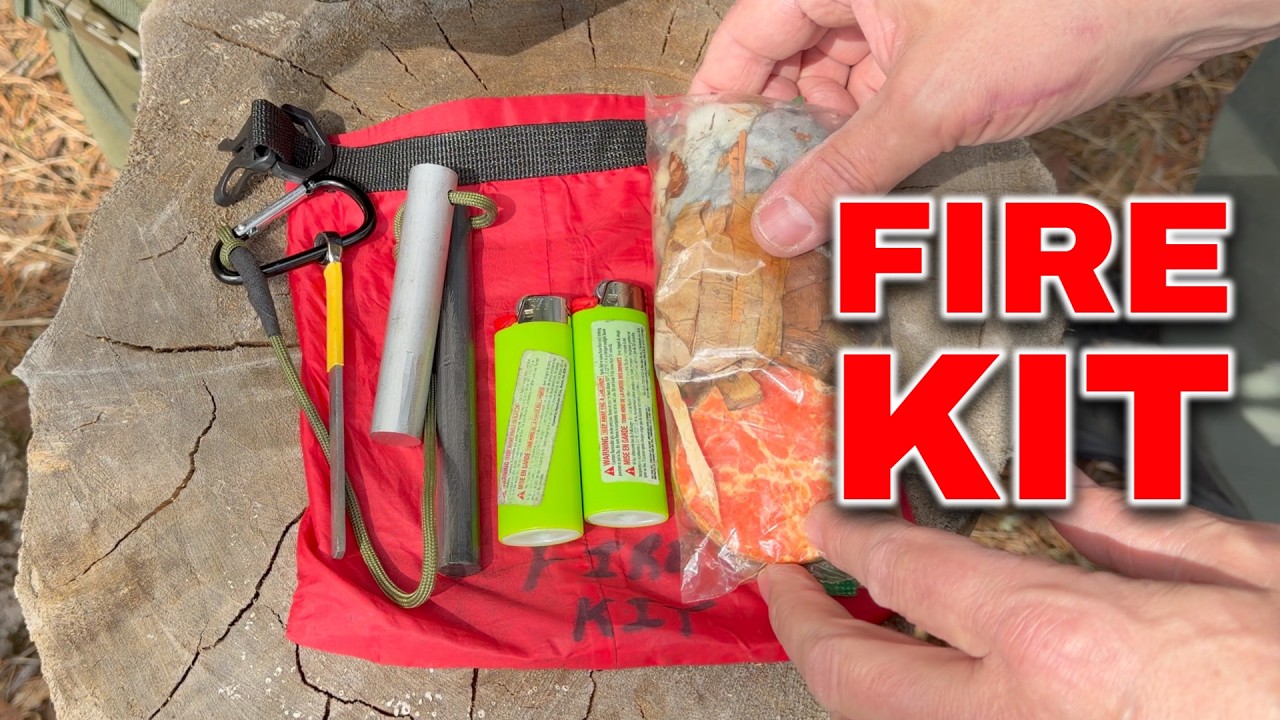
Fire is one of the most critical survival priorities. In a wilderness emergency, hypothermia can kill you faster than dehydration or starvation, and the ability to build a reliable fire from natural materials is what separates prepared survivors from statistics. In this video, Northwest Scout demonstrates a complete fire-starting system using birch bark and a ferrocerium rod — one of the most dependable fire-starting combinations you can carry into the field.
What makes this approach so valuable is the progression. He doesn’t just show the spark — he walks through the entire process: collecting shedding birch bark, finding dry kindling from dead branches, and gathering progressively larger fuel. This is exactly the methodology you need to internalize before you’re in a real survival situation, because finding dry tinder in wet conditions is where most people fail.
Key Survival Takeaways
- Birch Bark Is Premium Tinder: Birch bark contains natural oils (betulin) that make it highly flammable even when wet. It burns hot and long, giving you a critical window to catch kindling. Learn to identify birch trees and harvest shedding bark without damaging the tree.
- Ferro Rod Reliability: A ferrocerium rod throws sparks at 3,000°F regardless of weather. Unlike lighters that fail when wet or matches that break, a ferro rod works in rain, wind, and cold. It should be a core item in every survival kit.
- Progressive Fuel Sizing: Fire building is about fuel progression. Start with tinder (birch bark), move to pencil-thin kindling, then thumb-sized sticks, then wrist-sized fuel. Skipping sizes is the most common reason fires fail to sustain.
- Dead Branch Collection: Standing dead wood (still attached to the tree but dead) is drier than wood on the ground. Look for dead branches that snap cleanly — if it bends, it’s too wet. This is a critical field skill.
- Prep Before You Spark: Gather all materials before striking the ferro rod. Have your tinder, kindling, and fuel staged in order. You often only get one chance in wet conditions — don’t waste it scrambling for wood after the fire starts.
- Fire Lay Technique: How you arrange the wood matters. A teepee or log cabin fire lay creates airflow and structure. Without proper airflow, even the best tinder won’t sustain a fire.
- Practice in All Conditions: Don’t wait for a survival situation to practice fire starting. Try it in wind, rain, and cold. The skills you build in adverse conditions are the ones that will save your life.
Gear and Equipment for Fire Starting
A reliable fire-starting kit doesn’t need to be expensive. Start with a quality ferrocerium rod — get one at least 5mm thick for thousands of strikes. Add a carbon steel striker or use the spine of your knife. For tinder, carry fatwood sticks or birch bark pouches as backup to what you find in the field. A good bushcraft knife with a 90-degree spine is essential for scraping both the ferro rod and processing wood. And don’t forget waterproof matches as a backup method.
Fire starting is the survival skill you can practice anywhere, anytime. Spend an afternoon in your backyard collecting birch bark, building kindling bundles, and starting fires with just a ferro rod. When you can consistently get a fire going in under two minutes, you’ve built a skill that could genuinely save your life.