Field Article // Survival Skills
Fire Without Matches: 5 Ignition Methods That Survive Rain
Fire in the rain is a preparation problem, not a luck problem. Prepare the tinder before the storm, carry two ignition methods, and the fire gets easy.
Key takeaways // 30-second read
- Dry tinder wins fires: carry petroleum-jelly cotton balls, char cloth and fatwood in a sealed kit collected before you need them.
- A ferrocerium rod is the most reliable ignition tool because it works wet and lasts for thousands of strikes — carry a lighter alongside it for speed.
- Most wet-weather fires fail from heat loss to the ground, rain into the lay, or adding fuel too fast, not from a bad spark.
- Prep the whole lay — tinder, pencil-thin, pencil-thick, fuel — before you strike a single spark.
- Clear a one-metre radius, keep water within reach, and check local fire restrictions before lighting anything in dry conditions.
Everything depends on the tinder
Most failed fires are failed tinder, not failed sparks. Build a tinder kit that survives water: a small tin of petroleum-jelly cotton balls, char cloth, a handful of fatwood shavings and a bundle of dry inner bark collected in good weather and kept in a zip bag. If your tinder is dry, almost any ignition source works.
Five ignition methods, ranked by reliability
- Ferrocerium rod with a striker. Works soaking wet, gives 3,000°F sparks and thousands of strikes. Scrape a pile of fine shavings onto a flat surface, then strike down the rod into the pile rather than pushing the rod toward the tinder.
- Char cloth and a striker. Cotton charred in a tin takes a spark instantly and holds an ember. One of the most reliable primitive-adjacent methods in damp conditions.
- Fatwood and resin. Split fatwood to the resin-rich core, shave it fine, and build it into a feather stick. Resin burns through light rain.
- Battery and steel wool. A 9-volt battery touched to fine steel wool starts a fire in seconds. The wool must be dry and very fine.
- Magnesium block. Scrape magnesium into a small pile, then strike the ferrocerium edge into it. Slower than a rod, but the shavings burn hot and long.
Why wet-weather fires fail
- The ground steals the heat. Build on a platform of split wood or flat stones. A fire on wet ground will not catch, no matter how good the tinder is.
- Rain falls into the lay. Build under a tarp or a natural overhang, or create a roof of bark.
- Too big, too fast. Start with pencil-lead thickness, then pencil, then thumb. Adding a log to a struggling flame is the fastest way to kill it.
- No windbreak. A ring of stones or logs keeps the flame in one place while it establishes.
Build the lay, then light it
Prepare the whole structure before you strike anything: tinder bundle, a handful of pencil-thin twigs, a handful of pencil-thick sticks, and a store of fuel wood within reach. Light the tinder, add the thin material in a loose teepee so air can move, and only then step up the sizes. Blow gently at the base, not the flame.
Safety and discipline
Clear a one-metre area of leaf litter, keep water within reach, and never leave a fire unattended. In dry conditions, follow local fire restrictions — the most prepared thing you can do is not light the wildfire. Extinguish with water, stir the ashes, then feel with the back of your hand before you walk away.
Gear & Equipment // Tested
The gear we actually run
Bought at retail and used in the same drills described above. Links are affiliate links — they cost you nothing extra and keep this site independent.
As an Amazon Associate we earn from qualifying purchases.

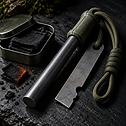
Amazon pick · Fire
Ferro Rod Fire Starter + Striker
5,000+ strikes at 3,000°F, works soaking wet, and needs no fuel. A thick 1/2-inch rod is easier on cold hands than the thin ones.
Street price: $12–$25
Check price on Amazon
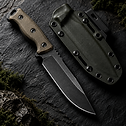
Amazon pick · Tools
1095 Carbon Fixed-Blade Survival Knife
Full tang, 4–5 inch blade, easy to resharpen in the field with a stone. Carbon steel takes an edge fast and tolerates batoning.
Street price: $40–$120
Check price on Amazon

Amazon pick · Bags
45L Bug-Out Backpack (MOLLE, Hydration Ready)
The size that carries 72 hours of kit without encouraging you to pack a month. Good hip belt and a stiff frame sheet matter more than pockets.
Street price: $60–$140
Check price on AmazonFAQ // Read before you buy
Frequently asked questions
Newsletter // article
Get the next breakdown
New video articles, gear notes from testing and tool updates — one email a week.
No spam. Unsubscribe any time. We never sell subscriber data.
Keep going // 3 more
Related reading

Surviving a Blizzard in a Self-Built Underground Cabin
A builder rides out a brutal arctic blizzard inside a self-built underground log-and-stone cabin. See why earth-bermed shelters beat tents in extreme cold.

What a Ranger Carries Every Day: Survival Gear Breakdown
A veteran ranger empties his pockets and explains the everyday carry survival gear he actually trusts daily: knife, fire starter, cordage, and first aid kit.

Surviving a Severe Snowstorm in an Abandoned Stone House
Watch a survival expert ride out a brutal blizzard inside an abandoned stone house, with winter shelter tactics for insulation, drafts, and safe heating.