Field Article // Preparedness
The 72-Hour Blackout Checklist
The first hour decides how much food you keep and how calm the next two days feel. Here is the sequence to follow, in order, when the lights go out.
Key takeaways // 30-second read
- Do not go shopping in hour one — instead protect the cold chain, light with battery lanterns, and fill every container that holds water.
- A closed fridge holds temperature about four hours; a full freezer roughly 48 hours and a half-full freezer about 24.
- Concentrate the household into one insulated room, and communicate once with a check-in time rather than refreshing phones all day.
- Decide the pivot early: if the outage will last days, leave for a safer location on your own terms, not in an emergency.
- Treat each outage as a free audit — write down what you ran out of and restock in the following week.
Hour one: stabilise, do not shop
- Find out how big it is. Check the utility outage map on a phone battery, then turn to the battery radio. Knowing whether it is your street or three states changes everything.
- Protect the cold chain immediately. Move anything you will eat soon from the fridge to the freezer, fill empty space with frozen water bottles, and tape the doors shut with a reminder note.
- Light without burning the house down. Headlamps and battery lanterns, never candles as a primary. Candles cause house fires during outages.
- Fill everything that holds water. Bathtub, jugs, bottles, pet bowls. If pressure drops, this is the water you have.
Hours two to twelve: triage and comfort
- Refrigeration rules of thumb: a closed fridge holds safe temperature for about four hours; a full freezer for roughly 48 hours, half-full for 24. Every opening costs you time.
- Cook the food that will spoil first, outdoors, on whatever method you have.
- Set up one room. Concentrate heat, light and people in a single room rather than heating the whole house. Close doors to unheated areas.
- Communicate once, then conserve. Send one message setting expectations and a check-in time, then put phones in low-power mode and stop refreshing.
Hours twelve to forty-eight: manage the household
- Rotate charging. Run the power station during the day for phones and medical devices; keep it above 50 percent and reserve capacity for overnight needs.
- Manage water. Drinking and cooking first, hygiene second, washing last. If a boil-water notice is issued, boil for one minute and treat stored water.
- Watch the temperature. Below 50°F indoors, move to one room and insulate it. Never use charcoal or a propane heater indoors.
- Check on neighbours, especially anyone elderly, living alone, or dependent on powered medical equipment.
Hours forty-eight to seventy-two: prepare for the next stage
- Decide the pivot. If the outage is projected to last days and you have somewhere safer to go, leave early rather than in an emergency.
- Ration and cook from storage. Stop opening the freezer, and start working through shelf-stable food and stored water deliberately.
- Restock what you used. Every outage is a free audit: write down what you ran out of and fix it in the calm week that follows.
- Document. Photograph spoiled food and damage for insurance, and note the timestamps.
Before the next one
Three changes prevent most of the pain: a battery station sized for your refrigerator and comms, a freezer full of frozen water bottles, and a written plan taped to the inside of a kitchen cupboard. Rehearse with a planned four-hour shutdown and you will find every gap without the pressure.
Gear & Equipment // Tested
The gear we actually run
Bought at retail and used in the same drills described above. Links are affiliate links — they cost you nothing extra and keep this site independent.
As an Amazon Associate we earn from qualifying purchases.

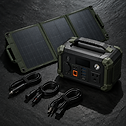
Amazon pick · Power
Portable Power Station + Folding Solar Panel
A 300–500Wh station runs a fridge cycle, comms, lighting and medical devices, and recharges from a panel when the grid does not come back.
Street price: $300–$700
Check price on Amazon
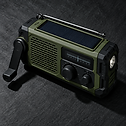
Amazon pick · Comms
NOAA Hand-Crank Emergency Radio
When towers drop, NOAA weather radio and local AM/FM are the only live information left. Crank or solar keeps it running without batteries.
Street price: $30–$60
Check price on Amazon
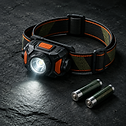
Amazon pick · Light
Rechargeable 400-Lumen Headlamp
Hands-free light for shelter, first aid and blackout cooking. Get one that takes both USB-C and AAA so you are never stranded without power.
Street price: $25–$50
Check price on AmazonFAQ // Read before you buy
Frequently asked questions
Newsletter // article
Get the next breakdown
New video articles, gear notes from testing and tool updates — one email a week.
No spam. Unsubscribe any time. We never sell subscriber data.
Keep going // 2 more
Related reading

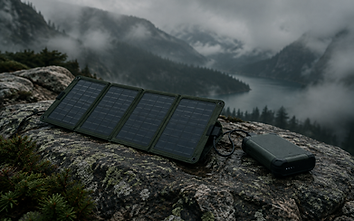
Grid-Down Power: Solar, Storage and Load Management for Your Home
Backup power fails for one reason: the system was sized around a shopping decision instead of an actual load list. Start with watts, hours and priorities.

Hardening Your Home: A Layered Home Defense and Security Plan
Security is not one decision, it is four layers. Most homes fail at layer one — a hollow door frame with two-inch screws — and never get to the layers that actually buy time.