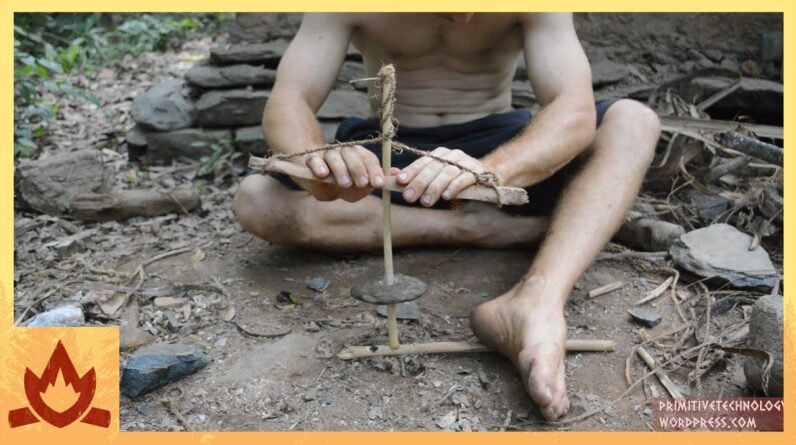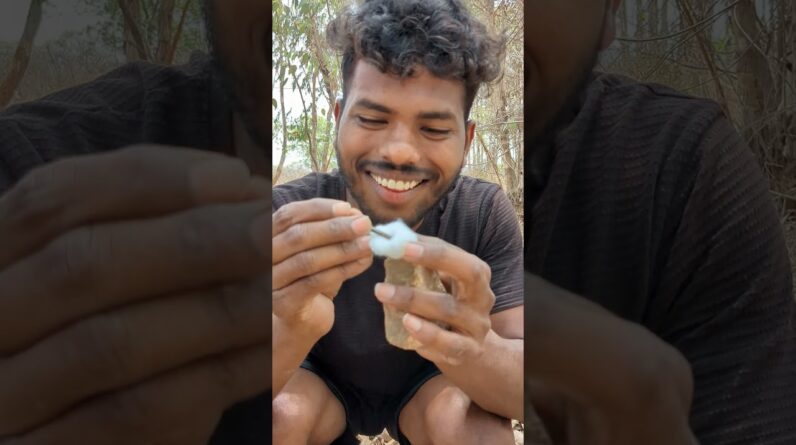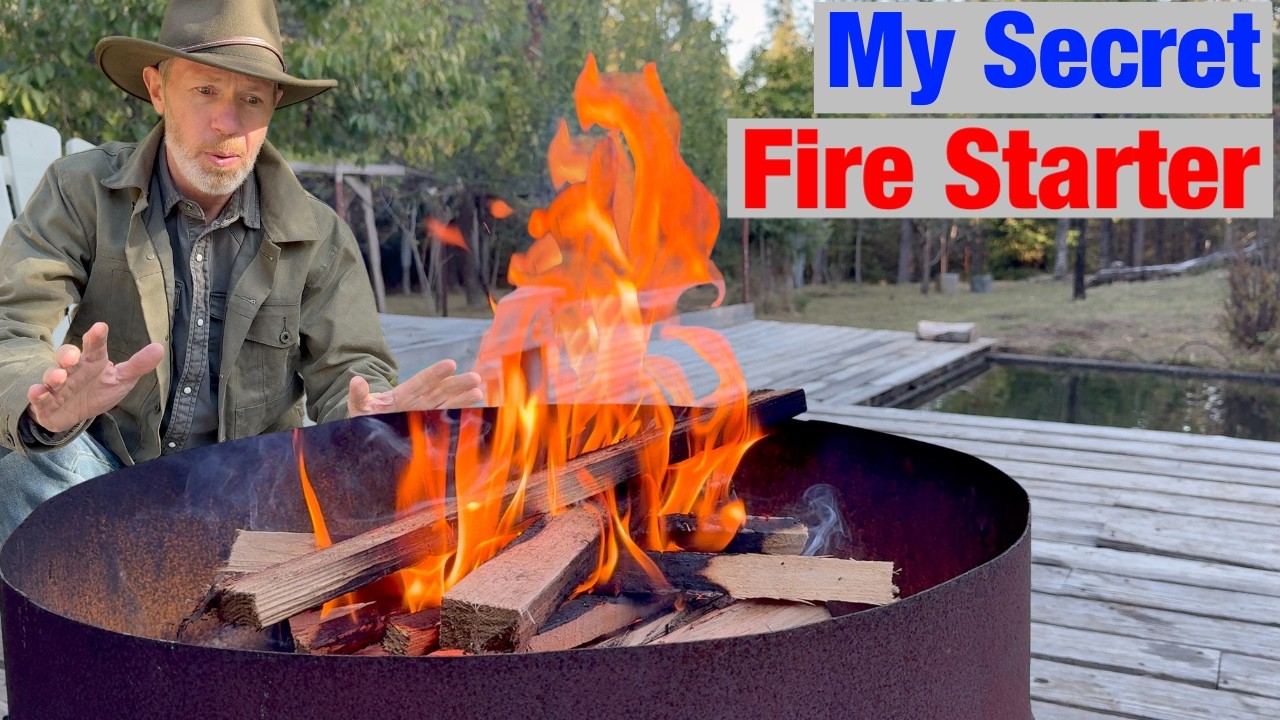
Fire is survival. Without it, you cannot boil water, cook food, signal for rescue, or stay warm enough to survive a cold night in the wilderness. Yet one of the hardest parts of fire-building is getting that initial flame to catch and spread — especially when conditions are wet, windy, or cold. That is where a reliable fire starter becomes the difference between a warm camp and a miserable, potentially dangerous night.
In this guide, we break down a remarkably simple method for making homemade fire starters that are cheap, effective, and built from materials you likely already have or can source in the wild. Whether you are prepping a bug-out bag, stocking a cabin, or just want a foolproof way to get your campfire going on a damp evening, this technique belongs in your survival toolkit. We cover the materials, the step-by-step process, and the key principles that make it work when other methods fail.
What makes this method especially valuable is its accessibility. Unlike commercial fire starters that cost several dollars each, these DIY versions can be produced in bulk for pennies apiece using leftover candle wax, dryer lint, pine cones, or cardboard egg cartons. The technique has been used by bushcraft instructors, military survival schools, and backcountry guides for decades because it reliably converts a single spark into a sustained flame — even in rain, snow, or high wind. If you carry only one handmade item in your survival kit, make it a batch of these fire starters.
Key Survival Takeaways
- Fire starters bridge the gap between spark and sustained flame. Even with a ferrocerium rod or waterproof matches, dry tinder is not always available. A pre-made fire starter gives you a guaranteed several-minute burn window to get kindling established, which is often the make-or-break moment in fire building.
- The best fire starters use readily available, low-cost materials. The method demonstrated in the video proves you do not need expensive commercial products. Combining common household items with natural accelerants produces a fire starter that outperforms many store-bought options at a fraction of the cost.
- Moisture is the enemy — design your fire starter to resist it. Wax-based fire starters are naturally waterproof, making them ideal for damp conditions, canoe trips, and winter camping where other tinder like dry grass or birch bark may be unavailable or soaked through.
- Portability matters for bug-out and survival kits. A good fire starter should be compact, lightweight, and individually portioned so you can carry a dozen in a small tin without adding meaningful weight to your pack.
- Scent and smoke can be tactical considerations. Some natural fire starters produce strong, pleasant aromas — useful if you want a campfire ambiance, but worth noting if you are trying to minimize your signature in a wilderness survival or evasion scenario.
- Batch production saves time and ensures redundancy. Making fire starters in bulk means you always have a supply ready for your go-bag, vehicle kit, cabin, and home emergency storage. Redundancy across multiple kits is a core preparedness principle.
- Practice with your fire starters before you need them. A fire starter you have never tested is an unknown variable. Build a few, light them in wet and windy conditions, and time how long they burn. Knowing exactly how your fire starter performs under pressure builds the muscle memory and confidence that matters most in a real survival situation.
Gear & Equipment
Having the right fire-starting gear complements your homemade fire starters and ensures you can get a flame in any conditions. Here are the essential tools to pair with your DIY fire starters:
- Ferrocerium Rod Fire Starter — Throws sparks at 3,000°F and works even when wet. Pair with your homemade fire starter for a virtually failproof ignition system.
- Waterproof Storm Matches — A reliable backup to ferro rods. These burn for 10-15 seconds even in wind and rain, giving your fire starter time to catch.
- Pre-Made Cotton Ball Fire Starters — Keep a tin of these as a ready-made alternative. Cotton balls coated in petroleum jelly burn for up to 8 minutes and are ultra-lightweight.
- Wax Blocks for Fire Starters — Bulk paraffin or beeswax for producing large batches of wax-based fire starters. A single block can make dozens of starters.
- Survival Tinder Box Tin — A compact metal tin to store your homemade fire starters, keeping them dry and organized in your pack or bug-out bag.
As an Amazon Associate, we earn from qualifying purchases.
Frequently Asked Questions
What materials do I need to make a homemade fire starter?
The most common method uses a combination of wax (paraffin, beeswax, or leftover candle wax) and a fibrous material like dryer lint, cotton balls, sawdust, or shredded cardboard. You melt the wax, saturate the fibrous material, and let it cool into compact portions. Pine cones and egg carton sections dipped in wax also work well as natural alternatives.
How long do homemade wax fire starters burn?
A properly made wax fire starter can burn anywhere from 5 to 15 minutes depending on size and wax-to-fiber ratio. This gives you ample time to get kindling established even in damp or windy conditions. Smaller dime-sized portions may burn 3-5 minutes, while larger egg-carton cups can burn 10-15 minutes or more.
Are homemade fire starters waterproof?
Yes, wax-based fire starters are naturally waterproof. The wax coating repels moisture, which means you can store them in a pack, pocket, or kit without worrying about humidity or rain ruining them. This makes them far superior to dry tinder like grass or bark, which absorbs moisture and becomes useless in wet conditions.
How many fire starters should I carry in my bug-out bag?A good rule of thumb is to carry at least 10-12 individually portioned fire starters in your bug-out bag, plus additional supplies in your vehicle kit and home emergency storage. Fire is a critical survival priority, and having multiple reliable ignition sources across all your kits ensures you are never caught without a way to start one.
Can I use natural materials instead of wax?
Yes. Birch bark, pine resin, dry cattail fluff, and fatwood shavings are excellent natural fire starters. However, wax-based starters offer more consistent burn times and waterproofing, making them more reliable for long-term storage in survival kits. Natural materials are best used as immediate field supplements when you find them on the trail.
Conclusion
Making your own fire starters is one of the highest-value skills in wilderness survival and preparedness. It costs almost nothing, takes minutes to do, and gives you a reliable ignition source that works when conditions are at their worst. Batch up a supply, distribute them across your kits, and never again find yourself struggling to turn a spark into a sustaining fire. In survival, the margins are thin — and a good fire starter widens yours considerably.