Embarking on a bushcraft camping adventure with family combines wild resourcefulness, wilderness education, and practical survival skills. Setting up an off-grid camp requires quick shelter construction, effective firecraft, and sustainable wilderness food procurement. Among essential wilderness skills, primitive survival fishing and utensil-free campfire cooking provide vital nourishment while building self-reliance and practical outdoor knowledge in the backcountry.
In this guide, we break down the core bushcraft techniques showcased during a wilderness camping expedition. We cover primitive fishing rigging, campfire cooking without commercial pots or pans, and building a comfortable, weather-resistant debris shelter. Whether you are guiding young adventurers or refining your personal survival repertoire, these time-tested outdoor methods will elevate your wilderness experience, expand your field knowledge, and bolster your overall self-sufficiency.
Key Survival Takeaways
- Improvised fishing rigs created from bank line, natural bait, and carved wooden gorges can reliably harvest freshwater fish.
- Cooking directly on hot campfire coals or flat heated stones preserves natural juices and eliminates the need for bulky cookware.
- Debris shelters built with a sturdy ridgepole and thick leafy thatch offer excellent insulation against wind and cold rain.
- Fire management requires building a stable keyhole fire layout that separates high-heat flames from baking coals.
- Safe wood processing relies on proper axe technique, using splitting stumps and safe cutting zones to prevent injury.
- Wilderness hygiene requires boiling raw water for a minimum of three full minutes before consumption or food prep.
Primitive Survival Fishing Methods and Gear Rigging
Procuring protein in a survival scenario often hinges on effective fishing techniques. When standard tackle is unavailable, bushcraft anglers can construct effective handline rigs using high-tensile bank line or braided paracord inner strands. Hooks can be fashioned from bone, thorns, or carved hard wood gorges that turn sideways inside a fish’s throat when tension is applied. Targeting slow-moving river eddies, undercut banks, and deep pool structures where fish seek shelter increases success rates. Utilizing local natural baits—such as earthworms, grubs, and freshwater crawdads harvested from under river stones—ensures high strike rates without artificial lures. Rigging multiple passive handlines along stream banks maximizes catch yield while campers handle shelter maintenance and wood gathering. Regularly checking set lines prevents fish from breaking free or attracting wild scavengers.
Utensil-Free Cooking Over an Open Campfire
Cooking fresh wilderness catch without modern kitchen utensils is a fundamental bushcraft skill. One of the most effective primitive methods is green-stick skewer roasting. Freshly harvested non-toxic green saplings (such as willow or birch) are stripped of bark, sharpened, and used to impale fish fillets or whole gutted fish. Positioning the skewers over a bed of glowing hardwood coals—rather than direct open flames—allows even cooking without burning the flesh. Alternatively, hot-rock cooking involves heating flat river stones in the fire pit, wiping them clean, and using them as natural griddling surfaces for frying fish and wild greens. Maintaining steady coal temperature prevents charring and locks in vital nutrients for hungry campers. Seasoning fillets with wild herbs adds flavor and vital mineral content.
Rapid Debris Shelter Construction for Family Camping
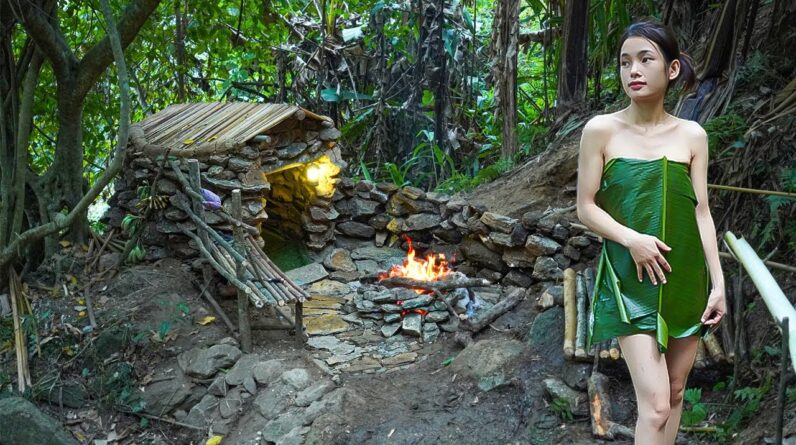
A reliable wilderness shelter must be constructed quickly using surrounding natural materials. The classic lean-to or A-frame debris shelter remains the gold standard for wilderness survival. Begin by anchoring a thick ridgepole between two trees or sturdy Y-sticks at waist height. Lean diagonal ribbing sticks along both sides of the ridgepole at a 45-degree angle to form a framework. Cover this frame with a dense grid of woven branches, then pile on at least two feet of dry leaves, pine needles, and moss. This thick debris layer traps dead air, providing outstanding thermal insulation against chilly night air and rain. Lining the shelter floor with thick evergreen boughs elevates sleepers above damp ground, ensuring warmth throughout the night. Adding a doorway baffle blocks cold night winds.
Fire Management and Keyhole Hearth Architecture
Maintaining an efficient fire pit is essential for simultaneous cooking, heating, and smoke management. A keyhole fire layout features a circular main fire ring connected to a rectangular shallow coal trench. Hardwood logs burn to glowing embers in the main ring, which are then raked into the coal trench for controlled cooking. This dual-zone layout prevents food from getting scorched by direct flames while maintaining a continuous flame source to reignite fresh wood. Additionally, placing green logs along the trench edges creates natural pot rests and windbreaks, optimizing heat retention and fuel consumption during cold backcountry nights. Proper ash clearing maintains oxygen flow to coals, extending burn time through night hours.
Gear & Equipment
Having reliable bushcraft tools ensures safety and efficiency when carving timber, starting fires, and preparing wilderness meals. Here are essential field-tested tools for bushcraft camping trips and survival expeditions:
- Fiskars Bushcraft Splitting Axe
- Magnesium Ferrocerium Fire Starter Rod
- Compact Survival Fishing Kit
- Pre-Seasoned Cast Iron Camp Skillet
As an Amazon Associate, we earn from qualifying purchases.
Conclusion
Bushcraft camping and primitive fishing foster a deep connection with nature while honing essential survival skills. By mastering handline fishing, primitive coal cooking, debris shelter construction, and keyhole fire management, you gain the confidence to thrive in any wilderness environment. Prepare your gear and put these bushcraft principles to work on your next outdoor trip.